Elba is the third-largest Italian island after Sicily and Sardinia, and almost nobody outside Italy and Germany goes there. It is 224 km² with 147 km of coast, a 1,019 m mountain in the west, iron mines the Etruscans worked, and Napoleon's two residences from his ten-month exile in 1814–15. Most of it sits inside the Tuscan Archipelago National Park. The coast alternates between granite coves on the west and iron-dark sand in the east, and the water is exceptionally clear.
For a Mediterranean island with real infrastructure, good food and a fraction of the prices of Capri or the Costa Smeralda — and for the swimming, which is the best in Tuscany by some distance. Also for the odd, specific pleasure of standing in Napoleon's villa and reading the letters from the year he ran a kingdom of 12,000 people.
What to do
- Monte Capanne — The cabinovia to 1,019 m in an open yellow basket, with Corsica visible on a clear day and the whole archipelago below.
- Villa dei Mulini and Villa San Martino — Napoleon's town house above Portoferraio and his summer villa inland — small, well-kept and genuinely affecting.
- The west-coast beaches — Sansone and Capo Bianco's white shingle, Cavoli and Fetovaia's sand, Padulella's clear water. Go early.
- Capoliveri — The best of the hill villages, on a ridge in the south-east, with a proper evening passeggiata.
- The mining park at Rio Marina — Open-cast iron workings the Etruscans started — a mineral museum and a train through the red pits.
- Diving and snorkelling — Protected waters, wrecks, and visibility that is rare this far north in the Mediterranean.
Beaches & swims
- Spiaggia di Cavoli — South-west coast sand, warm and sheltered, the island's most popular summer beach.
- Spiaggia di Sansone — White shingle under white cliffs, with the clearest water on Elba.
3 days on Elba
- Day 1 Portoferraio and Napoleon
Ferry in, then the Medici fortresses above the old town and Villa dei Mulini. Lunch on the harbour. Afternoon swim at Sansone or Padulella, ten minutes west. Dinner in the old town.
- Day 2 The mountainous west
Drive the coast road through Marciana Marina to Marciana, the cable car up Monte Capanne, then down to Fetovaia or Cavoli for the afternoon. Sunset at Sant'Andrea.
- Day 3 The east and the mines
Capoliveri in the morning, the beaches of the Golfo Stella, and the mining park at Rio Marina in the afternoon. Aleatico with the schiaccia briaca to finish.
Getting there
- Access
- Car ferries from Piombino to Portoferraio (1h); a car is genuinely useful here
- Best time to go
- Late May–June and September: warm sea, everything open, no crowds. July–August is full of Italian and German families and prices roughly double. The island largely closes from November to March. Spring is the walking season — the Grande Traversata Elbana crosses the island east to west.
- Getting around
- A car or a scooter is genuinely useful here — the island is big and the buses are infrequent. Car ferries from Piombino to Portoferraio take an hour (also to Rio Marina and Cavo). Book the ferry in advance in August; day-of tickets sell out.
- Eat & drink
- Elban cooking is Tuscan with more fish: cacciucco-style stews, gurguglione (a summer vegetable stew), stoccafisso alla riese, and schiaccia briaca — a dense, drunk cake of raisins, nuts and Aleatico wine. The Aleatico Passito is a DOCG dessert wine made only here. Marciana Marina and Capoliveri have the best restaurants.
- Know before you go
- The western mountain roads are narrow and steep — fine, but not for a first day with a large hire car. Some of the best beaches (Sansone, Cavoli, Fetovaia) have limited parking that fills before 10:00 in August. The Monte Capanne cable car is an open standing basket, two people at a time, which is not for everyone.
Other islands in the region
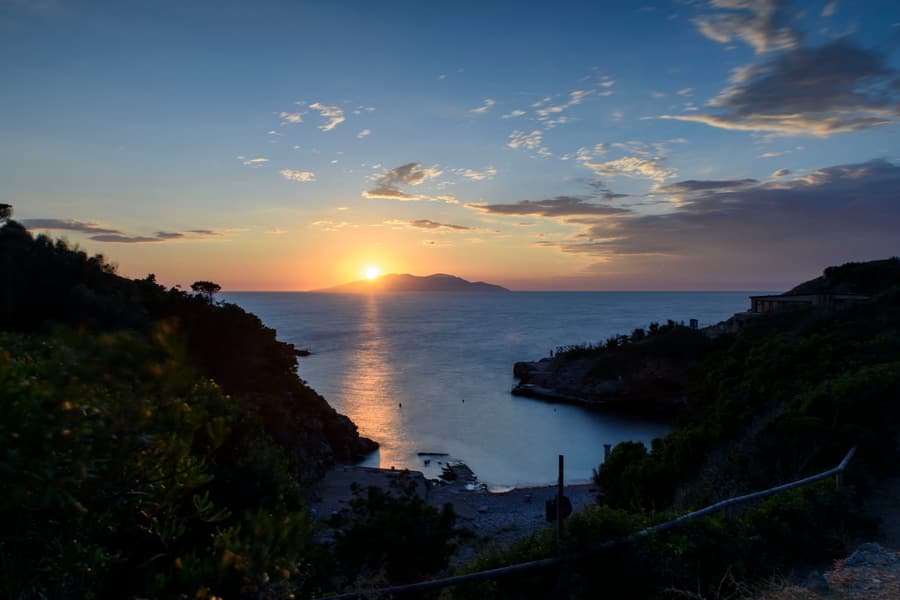
On the mainland
Where to base yourself either side of the crossing.
-
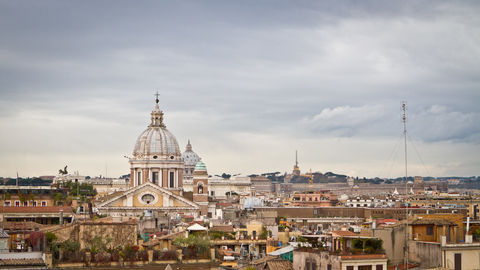 Florence The Renaissance in one walkable square mile
 -
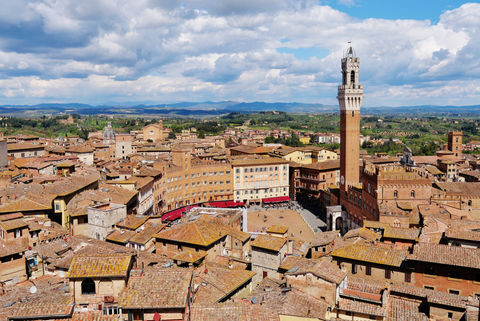 Siena A Gothic city built around the shell-shaped Campo
 -
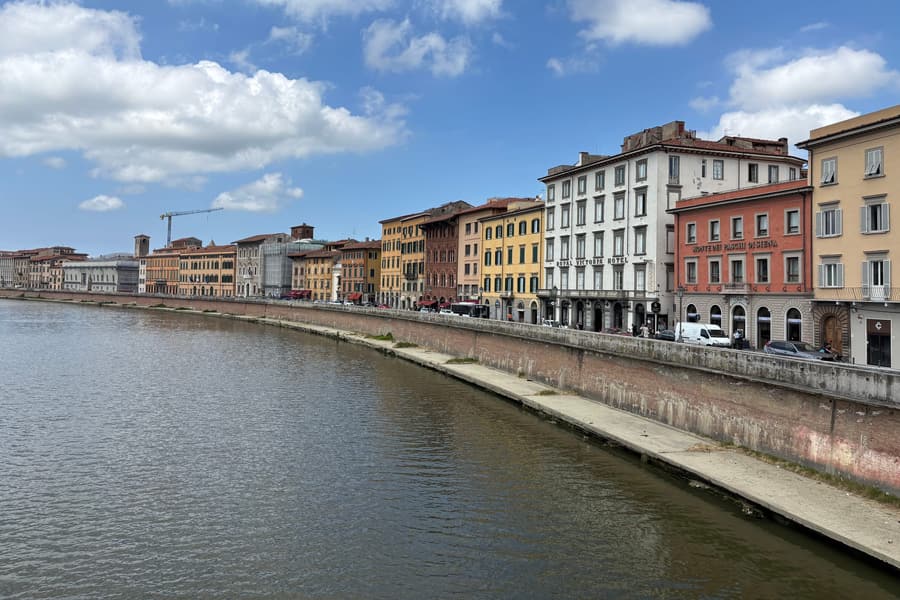 Pisa The Field of Miracles, and a real city behind it
 -
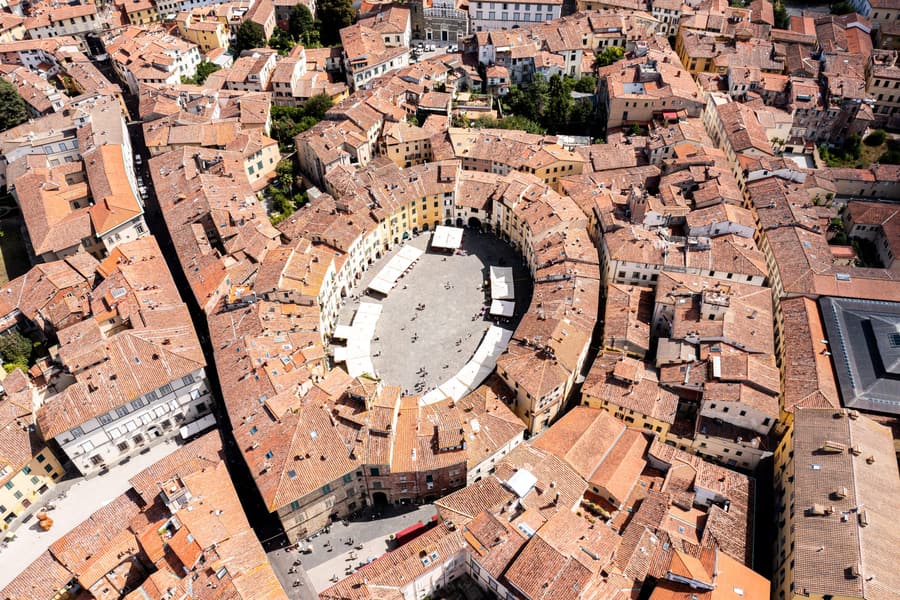 Lucca Renaissance walls wide enough to cycle round the whole town
 -
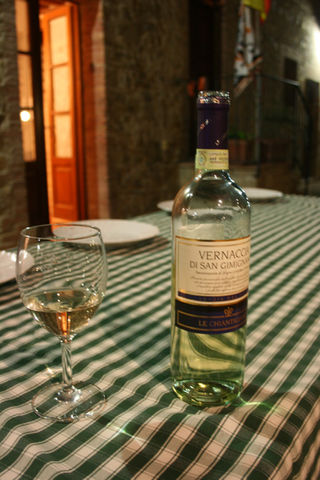 San Gimignano Fourteen surviving medieval tower-houses on a Tuscan ridge
 - Pienza The first planned Renaissance town, in the middle of the Val d'Orcia
Nearby highlights
-
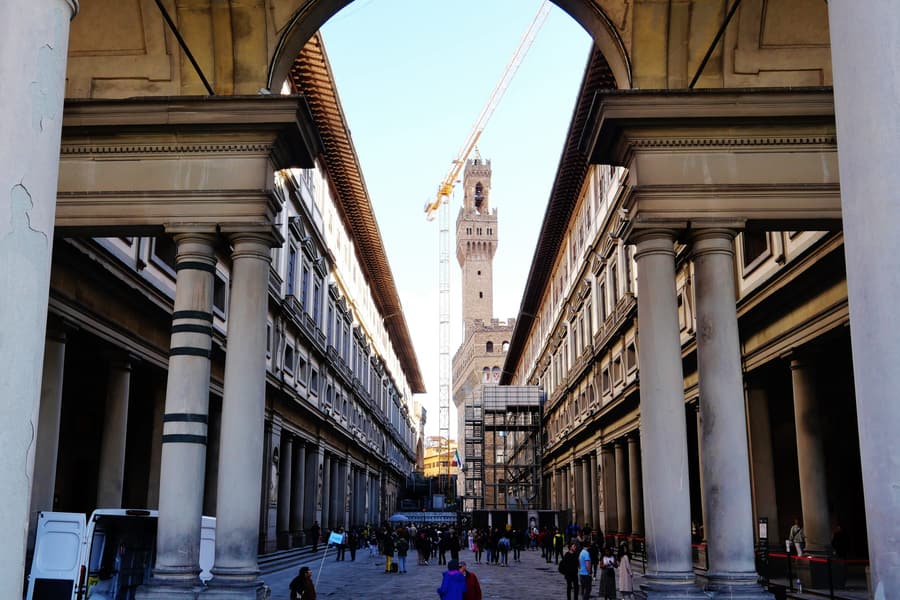 Uffizi Gallery Botticelli's Birth of Venus, and the greatest Renaissance collection anywhere
 -
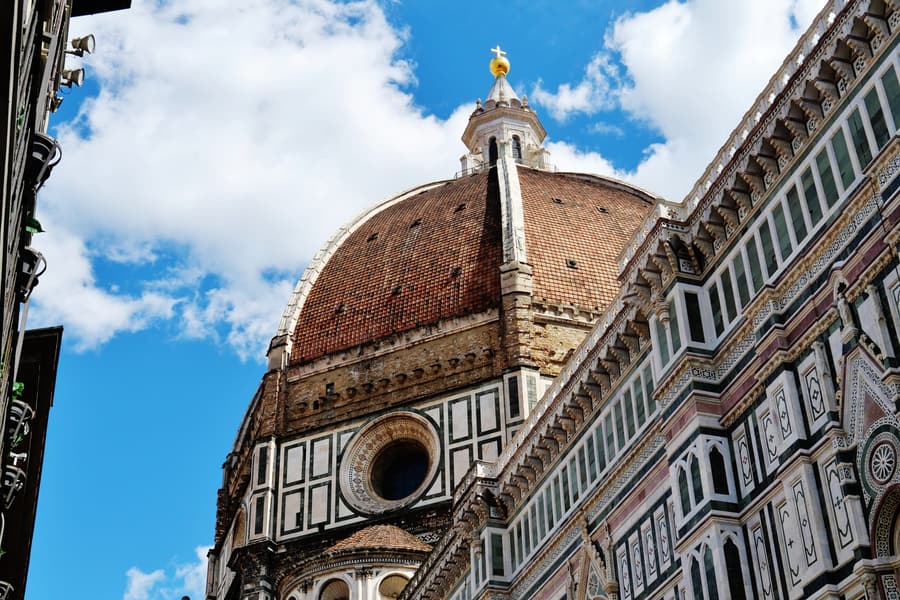 Florence Duomo & Brunelleschi's Dome The largest masonry dome ever built, raised without a supporting frame
 -
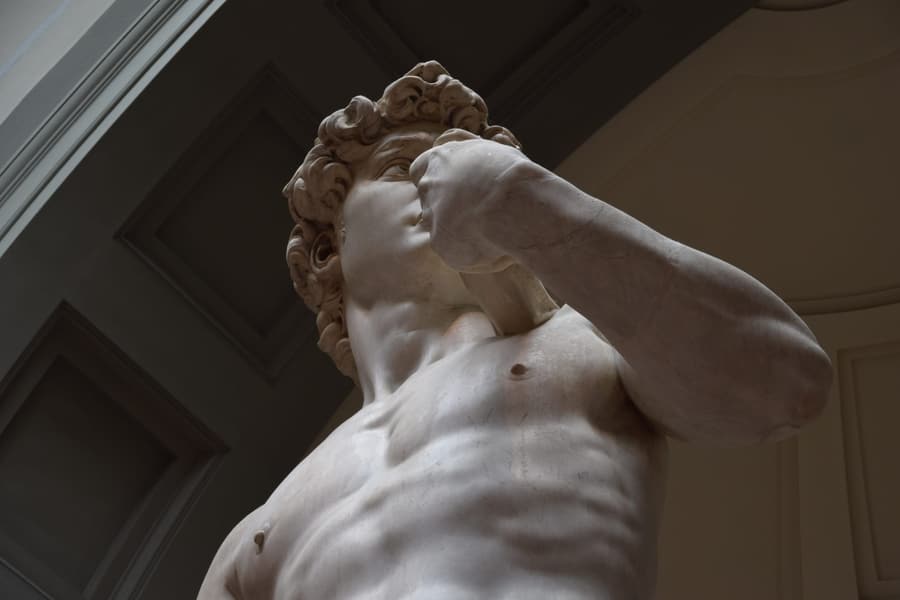 Accademia Gallery — Michelangelo's David Five metres of Carrara marble, carved when Michelangelo was 26
 -
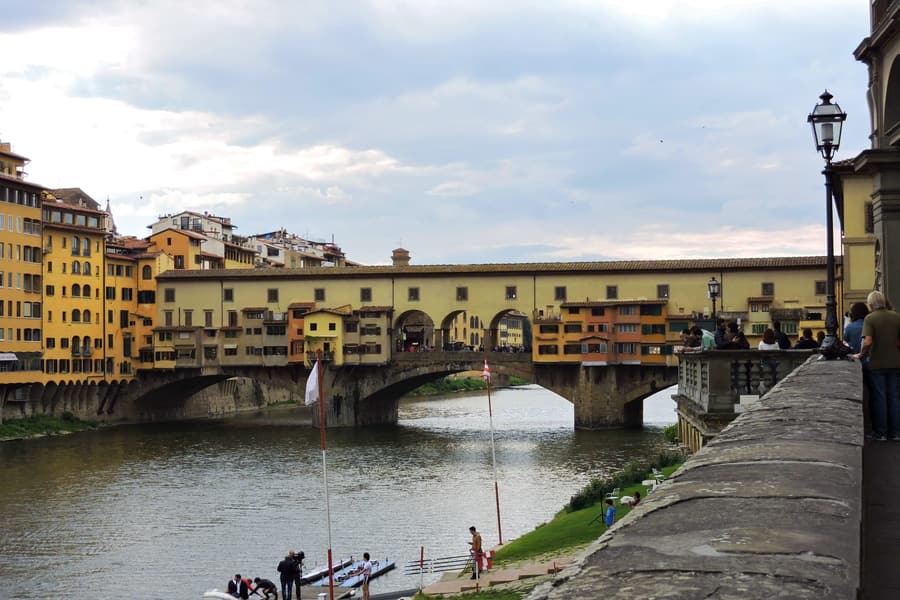 Ponte Vecchio The only Florentine bridge the retreating Germans spared in 1944
 -
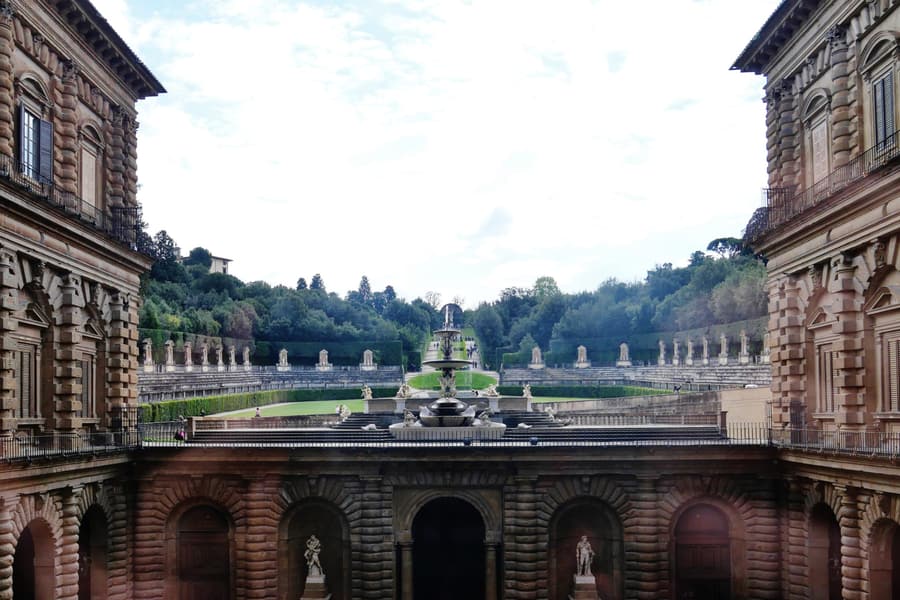 Pitti Palace & Boboli Gardens The Medici's later home, with the garden that set the model for Versailles
 -
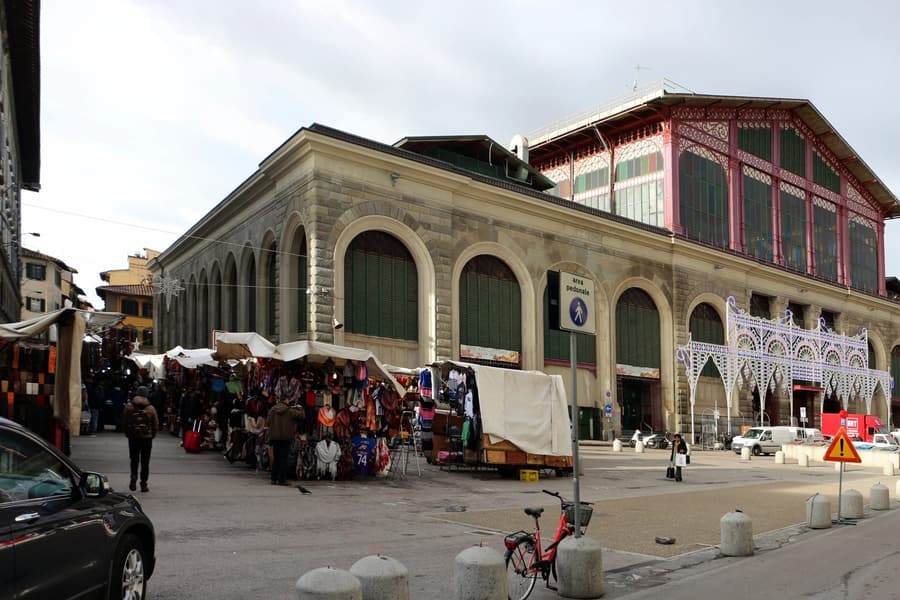 San Lorenzo Market Leather stalls outside, and the Mercato Centrale food hall inside
 - Chianti Wine Road The SR222 between Florence and Siena, through the Chianti Classico estates
-
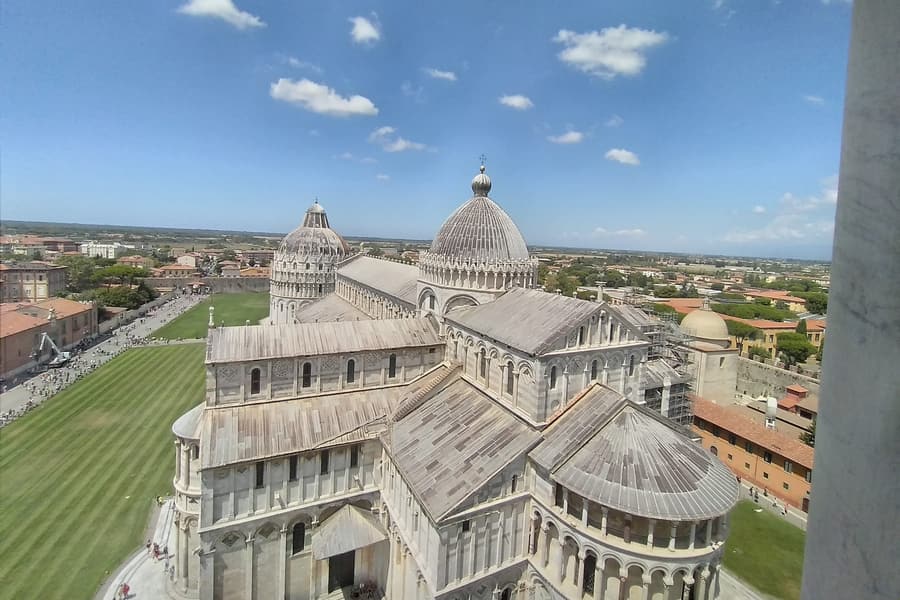 Leaning Tower of Pisa A bell tower that started tilting during construction in 1173