Naples is the most intense city in Italy and the one that rewards nerve. The centro storico is a Greek grid laid out in the fifth century BC and never re-planned — three straight decumani crossed by narrow cardini, six storeys of washing overhead, shrines in the walls, scooters everywhere. Underneath it is a second city of Greek quarries, Roman aqueducts and wartime shelters. It is also the best-value major city in Italy to eat in, and the base for Pompeii, Herculaneum, Vesuvius, the Amalfi Coast and the islands of the bay — all inside an hour.
Pizza was invented here and is still better here than anywhere. The National Archaeological Museum holds everything portable that came out of Pompeii and Herculaneum, which makes it the single most important stop for understanding those sites. And the city has changed: the centre is far safer and far more visited than its 1990s reputation, while remaining completely unpolished.
Things to do
- The National Archaeological Museum — The Farnese marbles, the Pompeii mosaics and the Secret Cabinet. Do it before Pompeii, not after — the sites make far more sense that way.
- Pompeii — Circumvesuviana to Pompei Scavi. Give it four hours minimum, take water and a hat, and head for the Villa dei Misteri and the Forum baths.
- Herculaneum — Smaller, richer and better preserved than Pompeii — wooden doors, upper floors, carbonised furniture. Half a day, and less crowded.
- Napoli Sotterranea — Forty metres down into the Greek quarries and Roman aqueduct, in places sideways through a 60 cm passage by candle.
- Cappella Sansevero — Sanmartino's Veiled Christ — marble carved to look like wet cloth over a body. Small, timed, and unforgettable.
- The Certosa di San Martino — A Carthusian monastery on the Vomero with baroque interiors, the nativity collection and the whole bay from its belvedere.
- A pizza pilgrimage — Two pizzerias in one day is not excessive here. Expect to queue at Da Michele; the Sorbillo and Starita queues move faster.
Tickets & tours
-
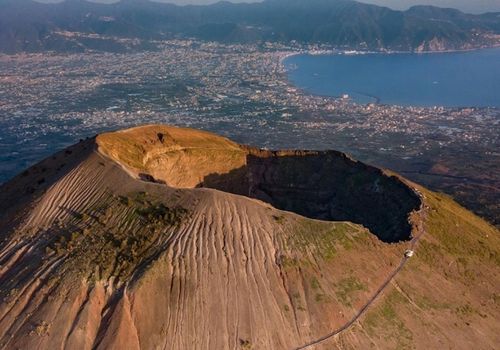 Mount Vesuvius: Entry + Roundtrip from Ercolano by Vesuvio Express From £5.22 · 4.1/10
 -
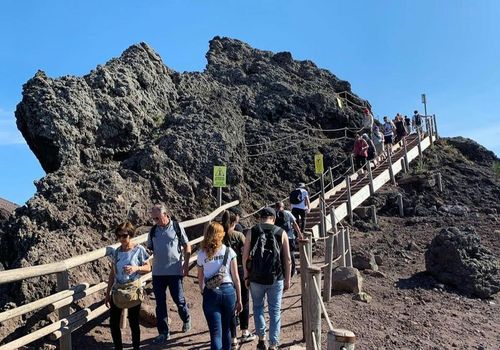 Mount Vesuvius: Entry Ticket + Guidebook From £25.44 · 3.8/10
 -
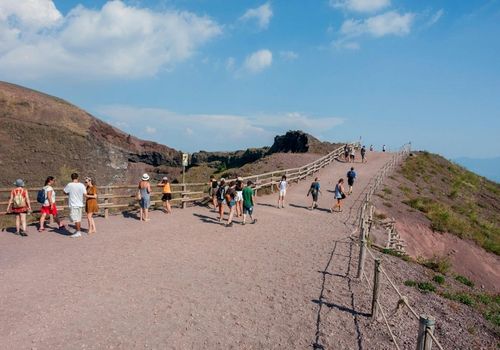 Mount Vesuvius: Skip The Line Ticket + Roundtrip from Naples via Vesuvio Express From £6.07 · 4.1/10
 -
 Pompeii: Skip The Line From £21.75 · 4.2/10
 -
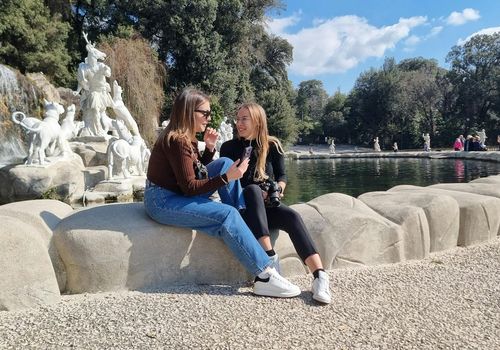 Royal Palace of Caserta: Priority Entrance Ticket + Roundtrip Train from Naples From £21.54 · 4.3/10
 -
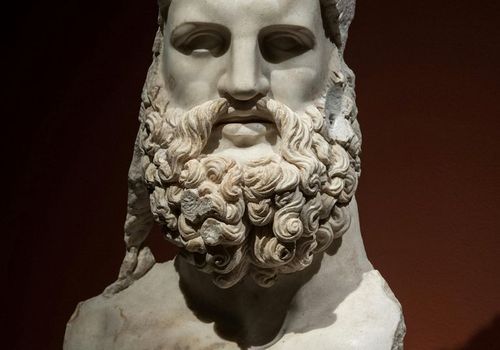 The National Archaeological Museum of Naples: Entry Ticket From £2.4 · 4.4/10
Where to base yourself
The Naples neighbourhoods worth knowing before you book.
- Coming soon Centro Storico The Greek grid — Spaccanapoli, San Gregorio Armeno, the Duomo. Loud, extraordinary, and where you should sleep on a first visit.
- Coming soon Chiaia Elegant, waterfront, boutique-lined and calm, with the best restaurants and the highest prices. The choice if the centro storico sounds like too much.
- Coming soon Vomero Up the funicular: residential, green, with Castel Sant'Elmo and the Certosa di San Martino and the best view over the bay.
- Coming soon Quartieri Spagnoli The tight grid above Via Toledo, laid out for Spanish garrisons. Rapidly gentrifying, full of small trattorie, and fine by day and evening.
- Coming soon Santa Lucia & Borgo Marinari Under the Castel dell'Ovo, on the water — the grand hotels and the seafood restaurants.
- Coming soon Posillipo The headland west of the city, with the villas, the Gaiola marine park and the classic postcard view of Vesuvius across the bay.
3 days in Naples
- Day 1 The old city
Archaeological Museum at opening (three hours). Lunch: pizza in the centro storico. Afternoon along Spaccanapoli — Cappella Sansevero, Gesù Nuovo, Santa Chiara's majolica cloister, San Gregorio Armeno. Napoli Sotterranea late afternoon. Dinner in the Quartieri Spagnoli.
- Day 2 Vesuvius and the buried cities
Early train to Ercolano: Herculaneum in the morning, then the shuttle up Vesuvius for the crater rim walk. Afternoon at Pompeii — or swap Pompeii to a full separate day if you want it properly. Evening on the Chiaia waterfront.
- Day 3 The bay
Hydrofoil from Beverello to Capri or Procida for the day — Procida if you want the quieter, more Neapolitan one. Back for sunset at Castel dell'Ovo and dinner in Borgo Marinari.
Day trips
Worth the train or the drive from Naples.
-
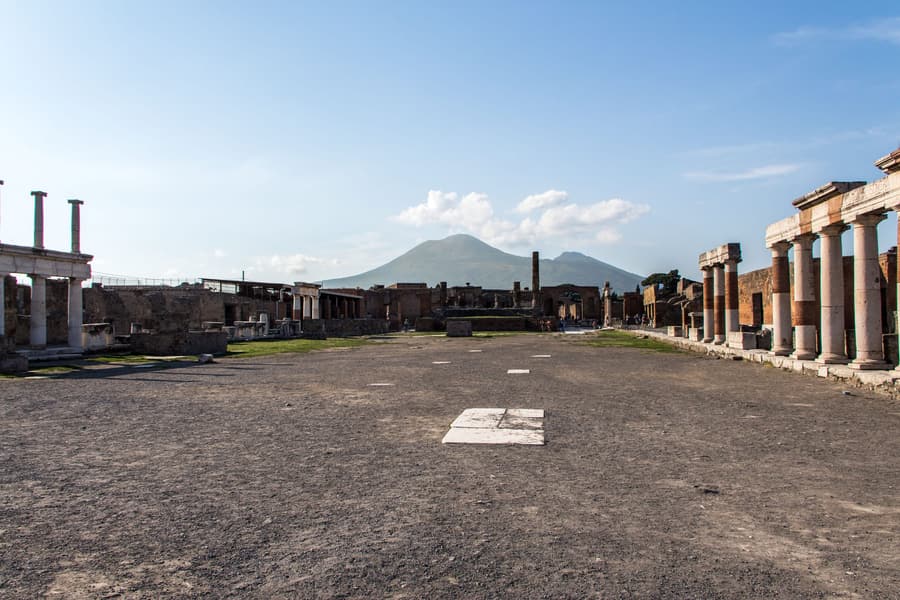 Pompeii 35 minutes on the Circumvesuviana — the most complete Roman town in the world.
 -
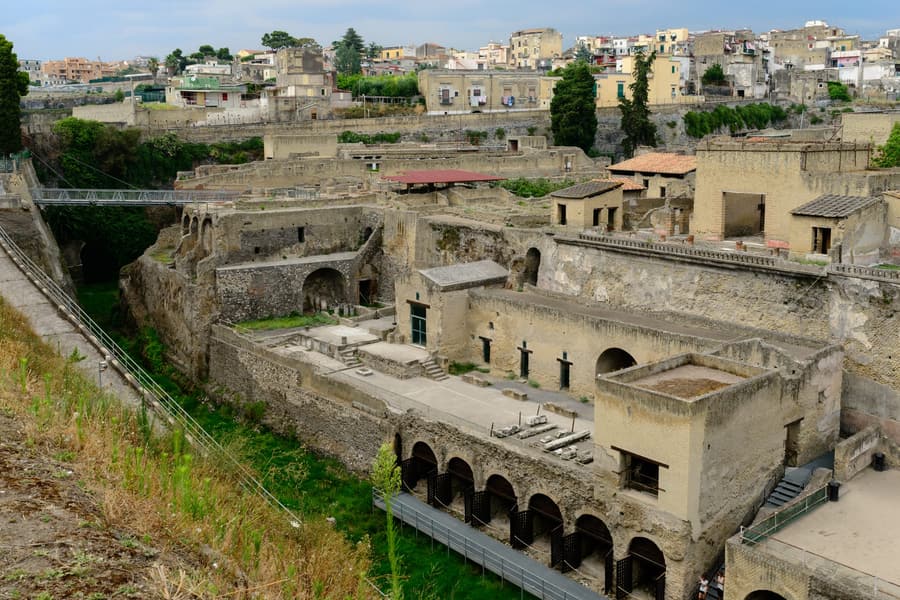 Herculaneum 20 minutes out, and better preserved than Pompeii.
 -
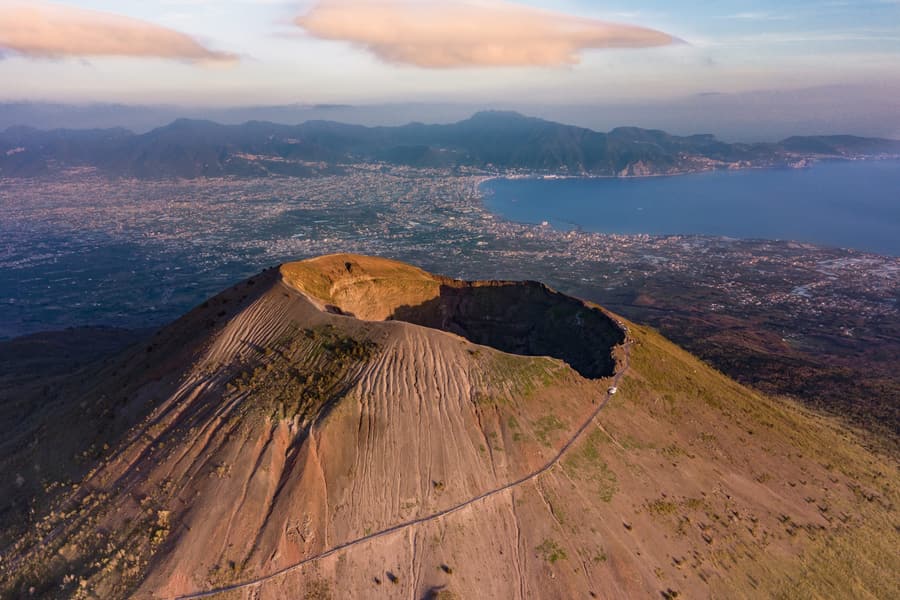 Mount Vesuvius Bus from Ercolano to 1,000 m, then a 30-minute walk to the crater rim.
 -
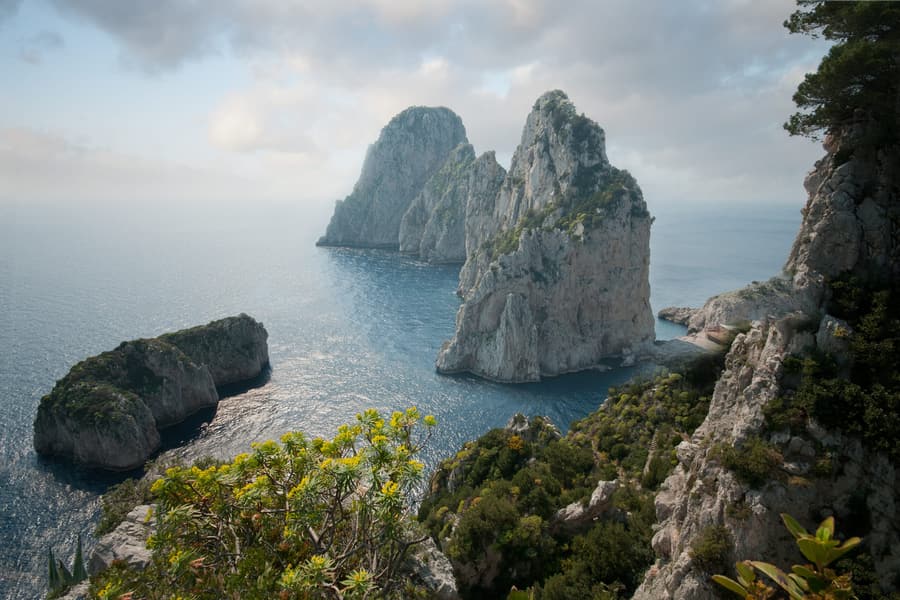 Capri 50 minutes by hydrofoil; go early and stay late to have it after the day boats leave.
 -
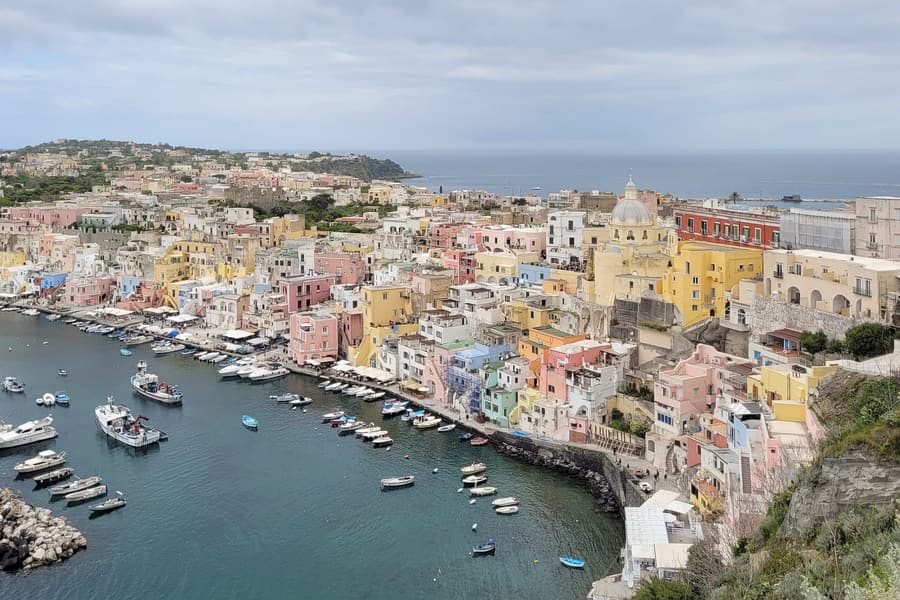 Procida The smallest and least developed island in the bay — 40 minutes by ferry.
 -
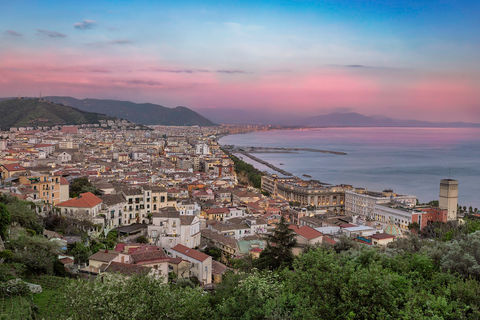 Amalfi Coast By train to Sorrento and ferry on, rather than the SITA bus, in summer.
 -
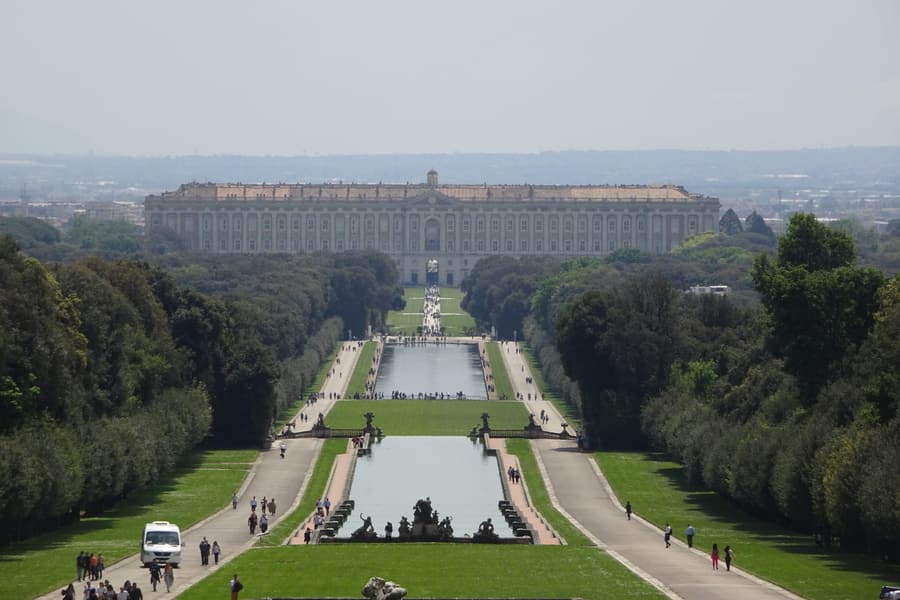 Reggia di Caserta The largest royal palace in the world by volume, 35 minutes by train.
 -
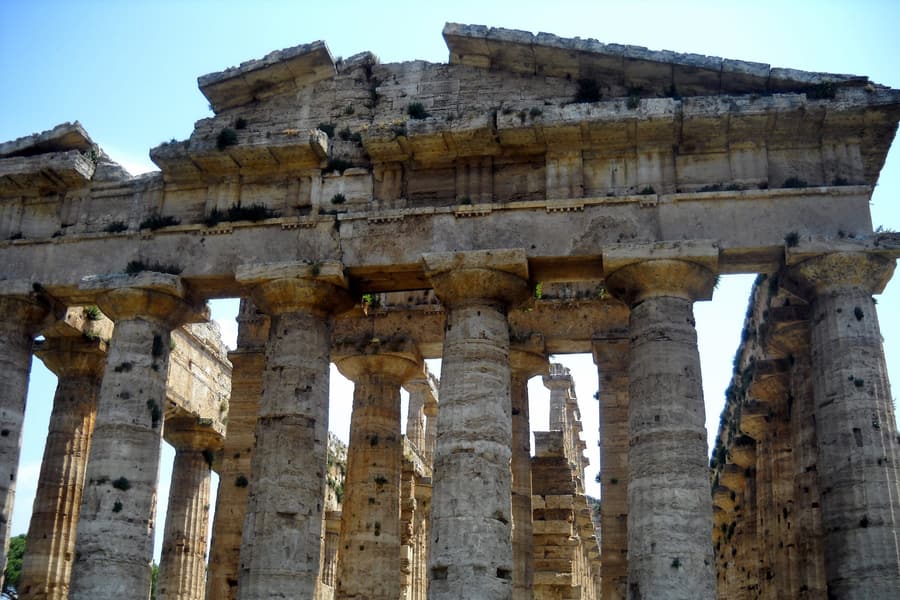 Paestum Three Doric temples 1h20 south by train — better preserved than most of Greece.
Practical
- Best time to go
- April–June and September–October — warm, and the archaeological sites are bearable. July and August are hot and the ruins have almost no shade (Pompeii in August at midday is genuinely punishing). Winter is mild, wet in spells, and the city is at its most liveable; Christmas in the Via San Gregorio Armeno nativity-figure workshops is a spectacle in itself.
- Getting there
- Capodichino (NAP) is 15 minutes from the centre by Alibus. Napoli Centrale is 1h10 from Rome and 4h30 from Milan by high-speed train. Ferries and hydrofoils to Capri, Ischia, Procida, Sorrento and the Aeolians leave from Molo Beverello (fast) and Calata Porta di Massa (car ferries), both a short walk from Piazza Municipio.
- Getting around
- The metro Line 1 is genuinely worth riding for the 'art stations' alone — Toledo and Università are among the most photographed metro stations in Europe. The Circumvesuviana (from Garibaldi, under Centrale) serves Herculaneum, Pompeii and Sorrento; it is cheap, frequent, crowded and basic — watch your bag. Four funiculars climb to the Vomero. Do not drive in the centre.
- Eat & drink
- Pizza napoletana — soft, blistered, folded — from a pizzeria that does nothing else: Da Michele, Sorbillo, Di Matteo and a hundred others. Then friggitoria fried snacks, sfogliatella and babà, ragù napoletano on Sundays, and seafood along the Chiaia and Posillipo waterfront. Coffee is drunk short, standing, and often already sweetened — say 'amaro' if you don't want sugar.
- Know before you go
- Traffic does not stop for pedestrians in the way it does elsewhere; cross decisively and make eye contact. Keep phones out of hands on scooters' side of the pavement around Garibaldi and the port. The Circumvesuviana is the one place to be genuinely alert with luggage. Many churches shut 12:30–16:30. The Amalfi Coast bus in summer is standing-room and slow — take the ferry from Sorrento or Salerno instead.