Capri is 10 km² of limestone standing 589 m out of the Bay of Naples, and it has been a luxury destination since Tiberius ran the Roman Empire from it for the last decade of his life. The island has two towns: Capri, around the Piazzetta, which is the fashionable one, and Anacapri, up the hill, which is quieter, cheaper and where most of what is actually worth seeing is. The day-trip crowds arrive around 10:00 and leave by 17:30 — everything about a good Capri visit follows from working around that.
The Faraglioni sea stacks, the Blue Grotto and the view from Monte Solaro are the genuine article, not marketing. Stay overnight and the island empties: the Piazzetta at 20:00 is a different place, and the coast paths in the early morning are yours.
What to do
- Monte Solaro by chairlift — Twelve minutes hanging over gardens and vines to 589 m, with the whole bay, the Faraglioni and, on a clear day, the Apennines.
- The Gardens of Augustus and Via Krupp — Terraced gardens looking straight down at the Faraglioni, and the hairpin path Krupp cut into the cliff below them.
- Villa Jovis — Tiberius's clifftop palace at the eastern tip — a 45-minute walk from the Piazzetta, and almost always quiet.
- The Blue Grotto — A sea cave lit from beneath to an impossible blue. Enter lying flat in a rowing boat; only in calm water.
- A boat circuit of the island — Around the Faraglioni, through the arch of the middle stack, past the green and white grottoes. The best way to understand the coastline.
- The Pizzolungo path — From the Gardens of Augustus round to Arco Naturale via the Grotta di Matermania — about two hours, and the best free thing on Capri.
Beaches & swims
- Marina Piccola — The south-facing swimming bay under the Faraglioni — rocks and lidos, not sand.
2 days on Capri
- Day 1 Capri town and the south side
Funicular up, coffee in the Piazzetta before the boats land, then the Gardens of Augustus and Via Krupp. Lunch at Marina Piccola. Afternoon on the Pizzolungo path to the Arco Naturale and back. Dinner in town once the day crowds have gone.
- Day 2 Anacapri and the water
Early bus to Anacapri, chairlift up Monte Solaro, then Villa San Michele. Boat trip around the island in the afternoon, timed to reach the Blue Grotto after the tour boats thin out. Swim off the rocks at Marina Piccola.
Getting there
- Access
- Ferries and hydrofoils from Naples (50 min) and Sorrento (20 min); no cars for visitors
- Best time to go
- May–June and September–early October. July and August are full and expensive; the Blue Grotto queue can run to two hours. Many hotels and restaurants close from November to March, when the island is beautiful, cheap and half-shut. The Blue Grotto only opens in calm seas — plan it flexibly.
- Getting around
- Walk, or use the small orange buses between Marina Grande, Capri and Anacapri — they run constantly and cost a couple of euros. The funicular climbs from Marina Grande to the Piazzetta in 4 minutes. A chairlift goes from Anacapri to Monte Solaro in 12. Visitors cannot bring cars, which is the single best thing about the island.
- Eat & drink
- Caprese salad was invented here and is worth ordering where the tomatoes justify it. Ravioli capresi (caciotta and marjoram), linguine with scorfano, and torta caprese — a flourless chocolate and almond cake. Limoncello is made from the island's own sfusato lemons. The Piazzetta cafés charge for the seat and the show, which is a fair trade once.
- Know before you go
- Day-boat tickets to the Blue Grotto do not include the entry fee or the rowing-boat transfer, and both are cash. Prices on the Via Camerelle end of Capri town are Milan-plus. The Sentiero dei Fortini and the Pizzolungo are real walks — proper shoes, and water in summer.
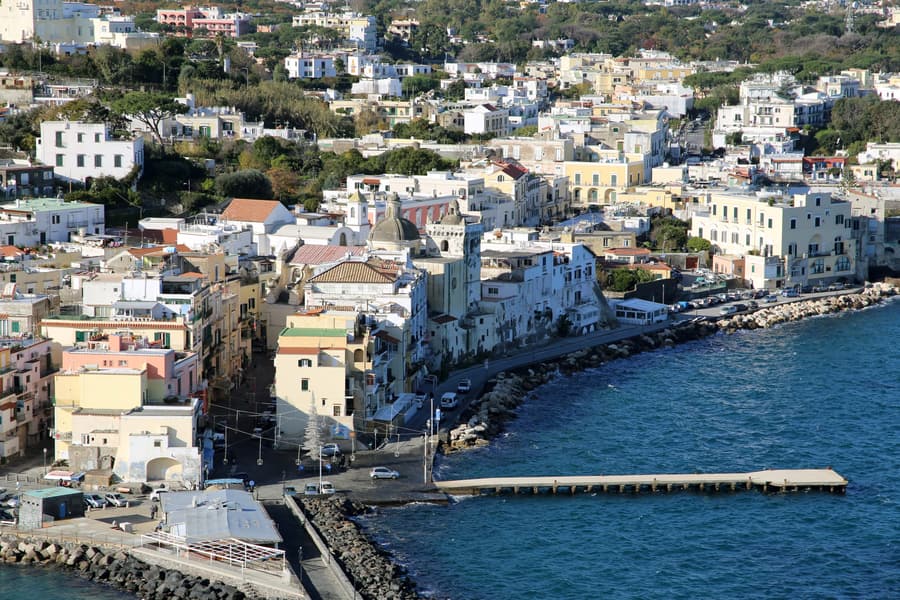
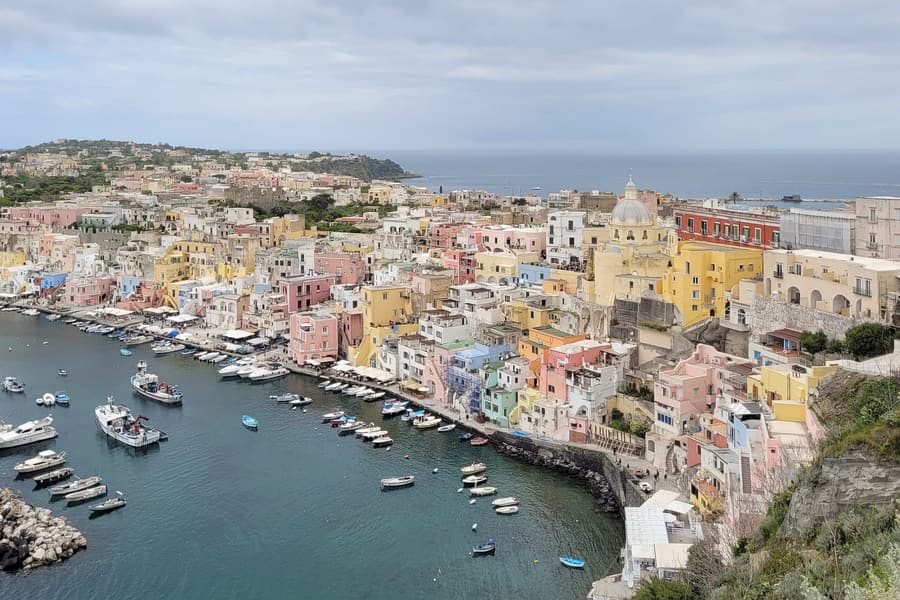
Other islands in the region
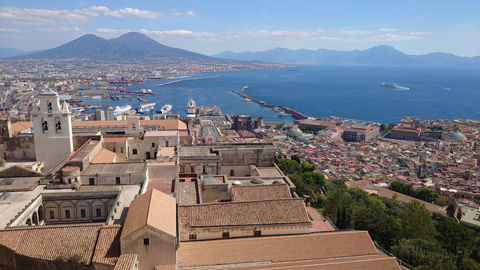
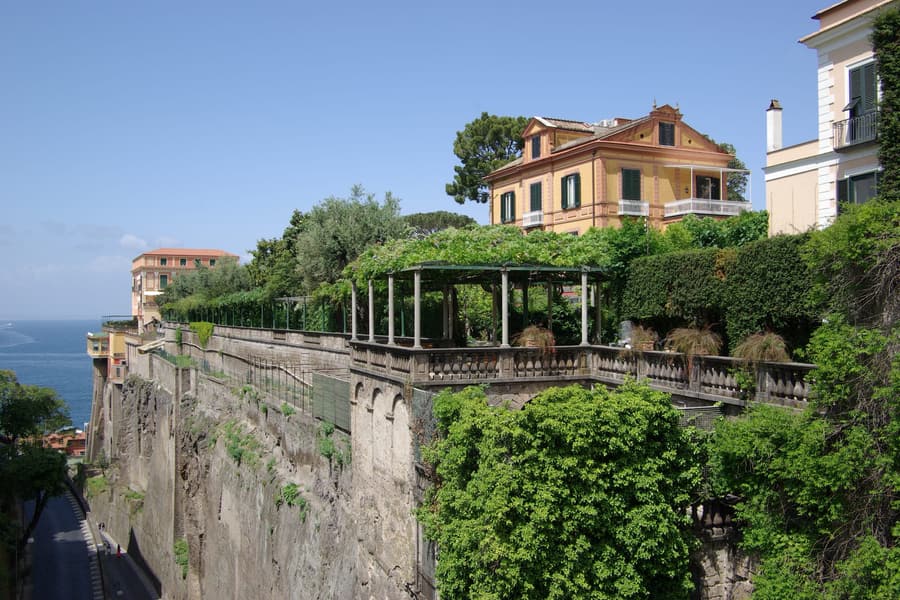
On the mainland
Where to base yourself either side of the crossing.
Nearby highlights
-
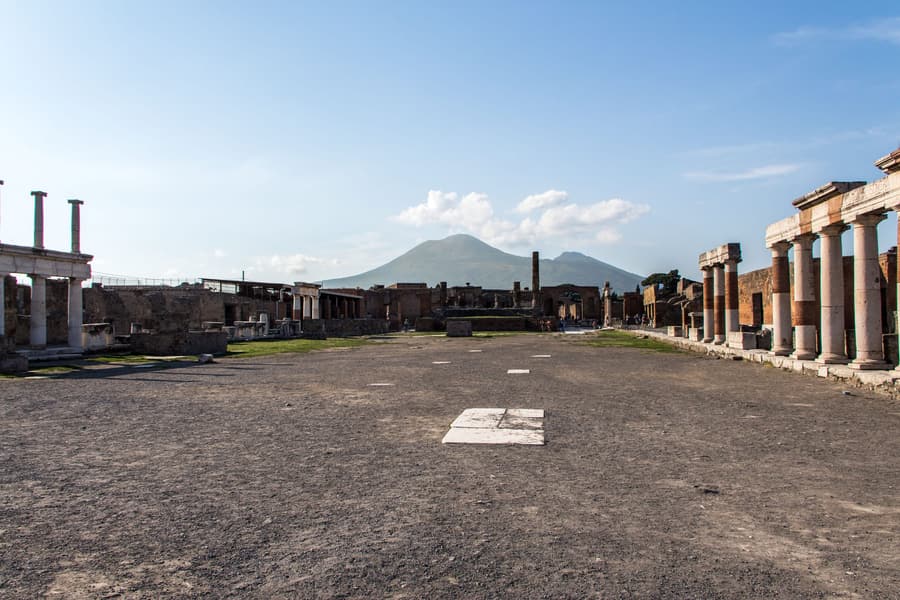 Pompeii A Roman town stopped mid-morning on 24 October AD 79
 -
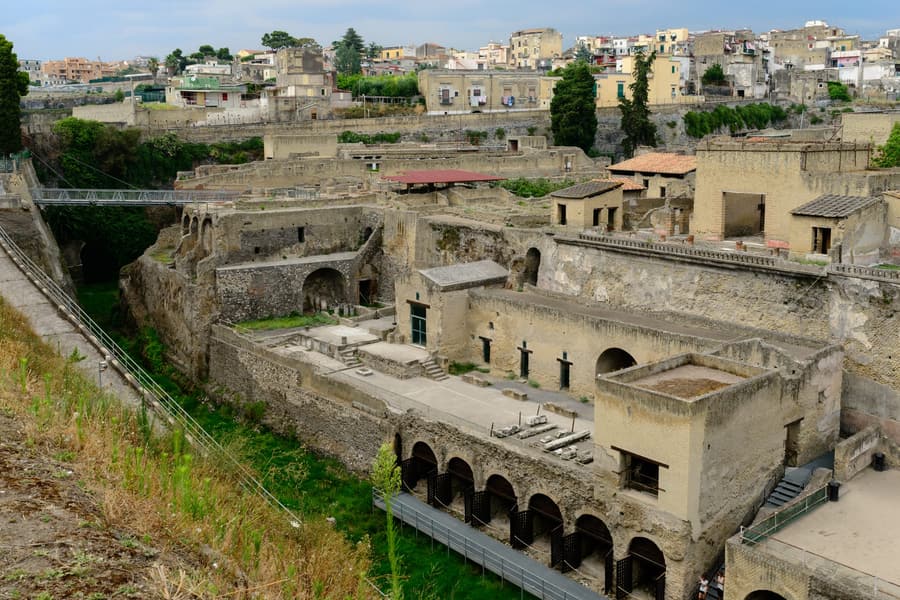 Herculaneum Smaller than Pompeii, buried deeper — and with the upper floors still standing
 -
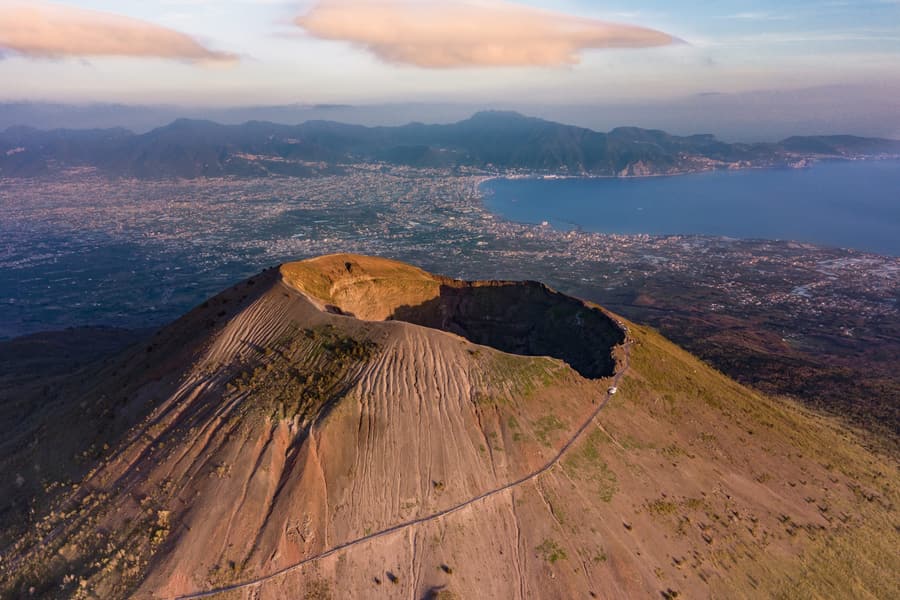 Mount Vesuvius The only active volcano on mainland Europe, with a walkable crater rim
 - Naples National Archaeological Museum Everything portable that came out of Pompeii and Herculaneum
-
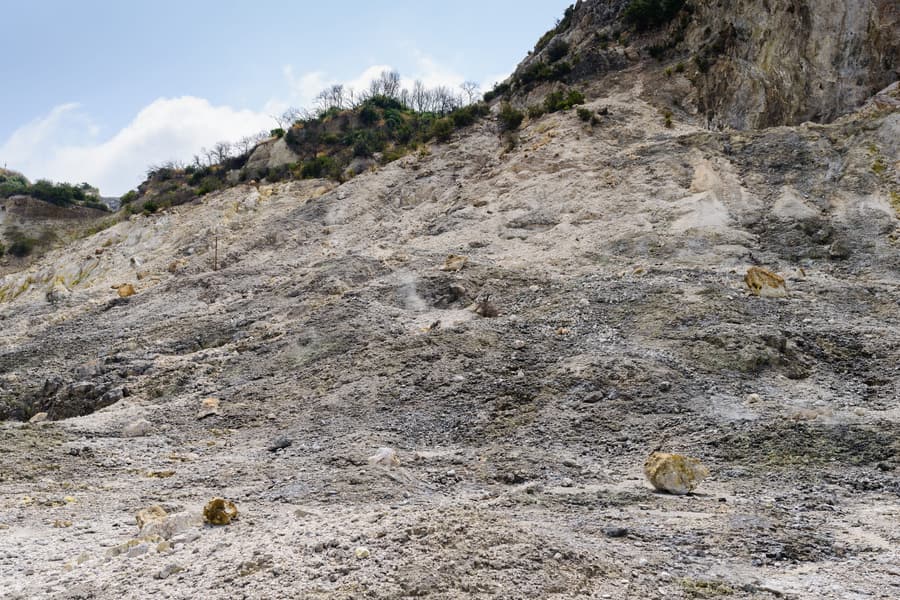 Campi Flegrei A collapsed supervolcano west of Naples, with Roman ruins in its craters
 -
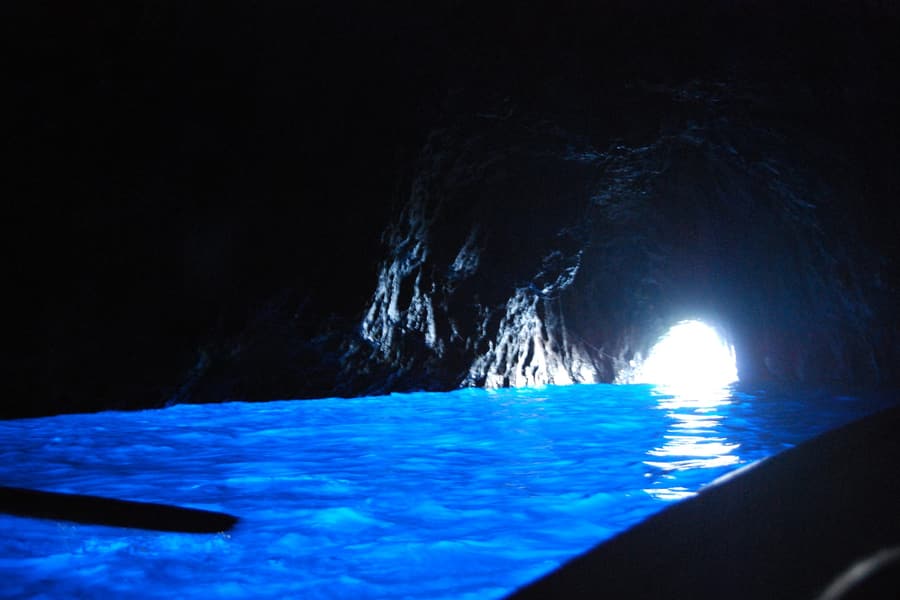 Blue Grotto, Capri A sea cave lit from below to an impossible blue — enter lying flat in a rowing boat
 -
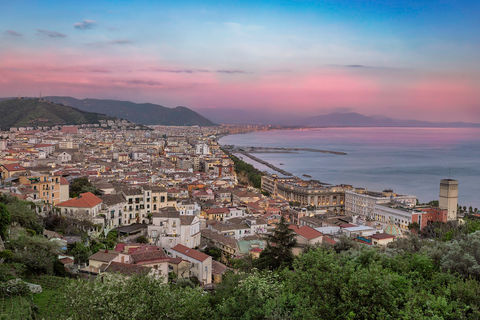 Amalfi Coast Fifty kilometres of terraced cliff, lemon groves and hairpin corniche
 -
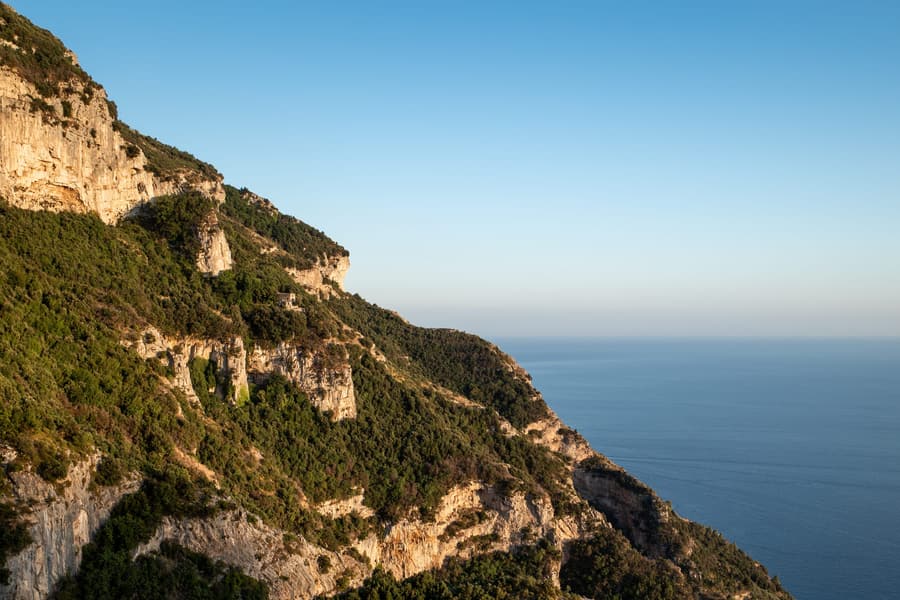 Path of the Gods The Sentiero degli Dei — a cliff path 600 m above Positano