The densest concentration of world-famous sights in southern Europe. Naples is chaotic, operatic and the birthplace of pizza, with an archaeological museum holding the finds from Pompeii and Herculaneum — both buried by Vesuvius in AD 79 and both walkable today. South of the city the Amalfi Coast drops in terraces to the sea through Positano, Amalfi and Ravello; offshore lie Capri, Ischia and Procida. Inland, Paestum's Greek temples are better preserved than almost anything in Greece.
- Pompeii and Herculaneum
- Naples' historic centre and archaeological museum
- Amalfi Coast — Positano, Amalfi, Ravello
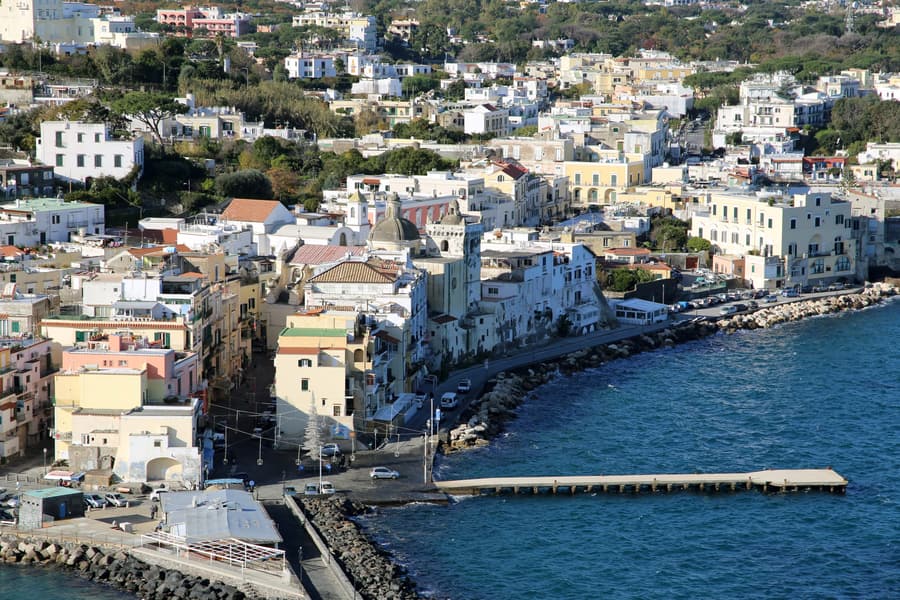
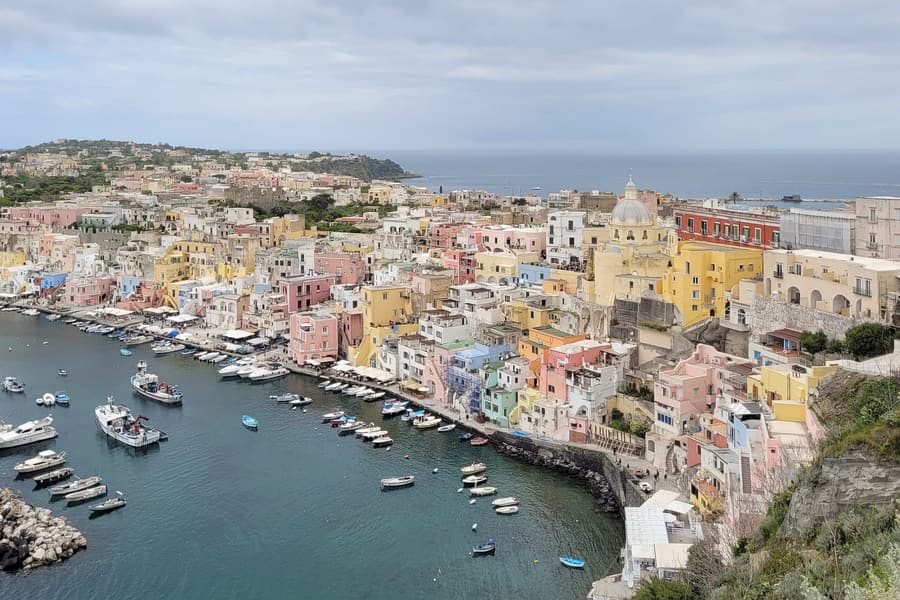
- Capri, Ischia and Procida
- Paestum's Greek temples
- Vesuvius and the Phlegraean Fields
- Reggia di Caserta
- Best time to go
- April–June and September–October. The Amalfi Coast is gridlocked in August and half-closed from November to March; Naples works year-round.
- Getting there
- Naples Capodichino, 15 min from the centre. Napoli Centrale is 1h10 from Rome by high-speed train; the Circumvesuviana serves Pompeii, Herculaneum and Sorrento.
© OpenFreeMap · OSM · terrain Mapterhorn · boundaries © EuroGeographics (Eurostat GISCO)
Headline places
What italia.it leads with in Campania.
-
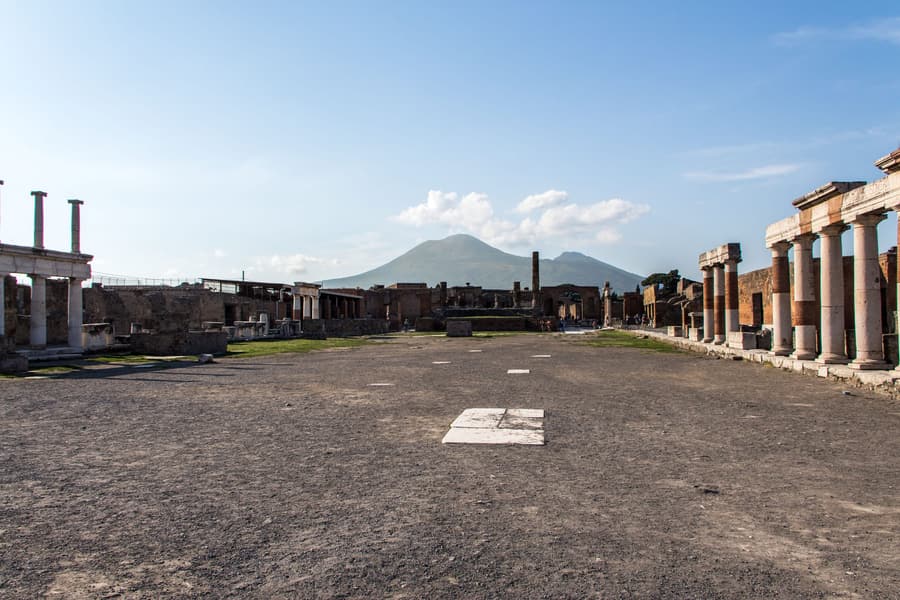 Pompeii A Roman town stopped mid-morning on 24 October AD 79
 -
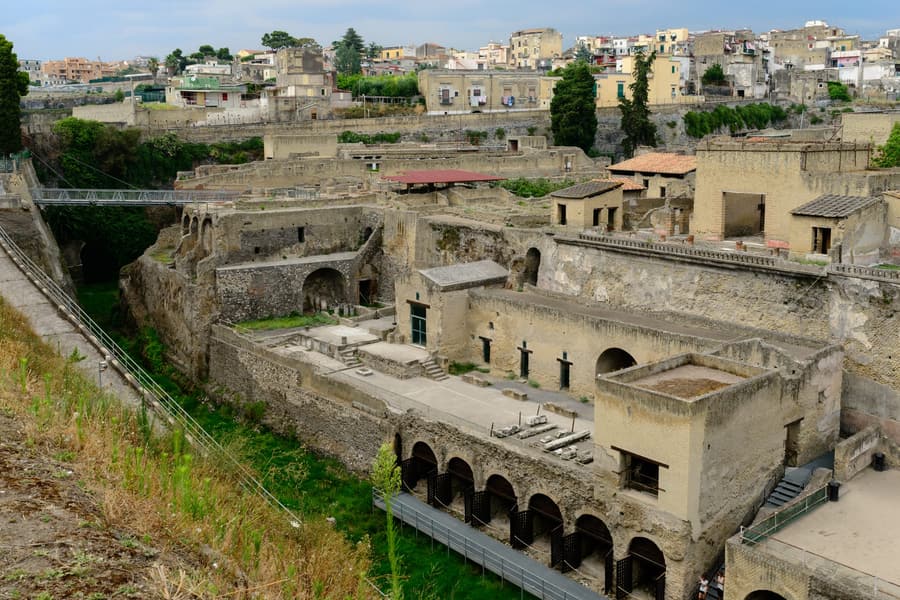 Herculaneum Smaller than Pompeii, buried deeper — and with the upper floors still standing
 -
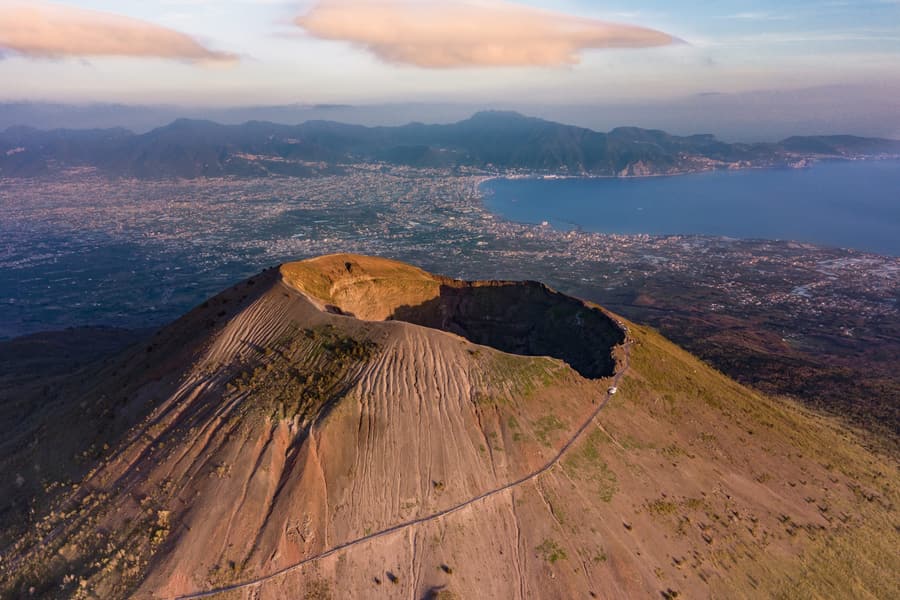 Mount Vesuvius The only active volcano on mainland Europe, with a walkable crater rim
 - Naples National Archaeological Museum Everything portable that came out of Pompeii and Herculaneum
-
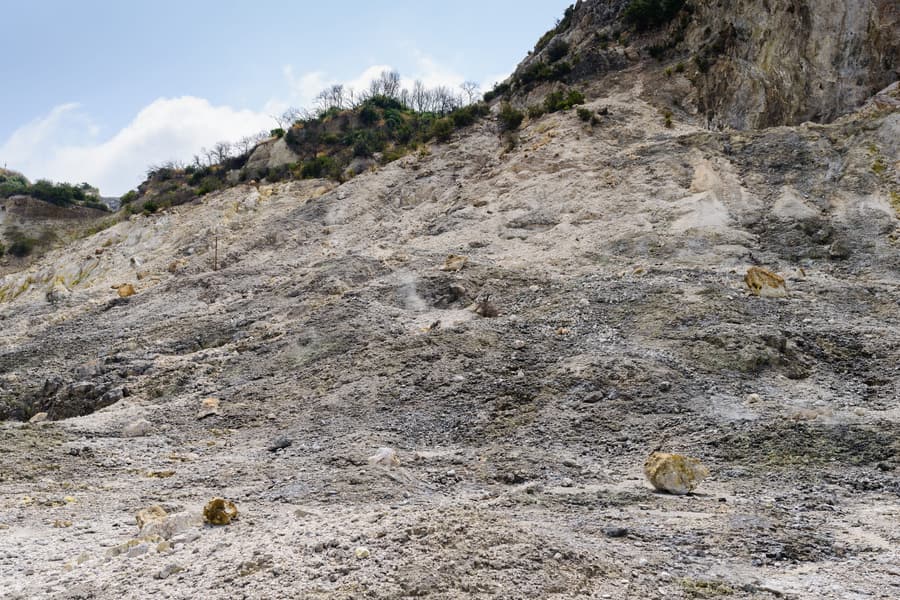 Campi Flegrei A collapsed supervolcano west of Naples, with Roman ruins in its craters
 -
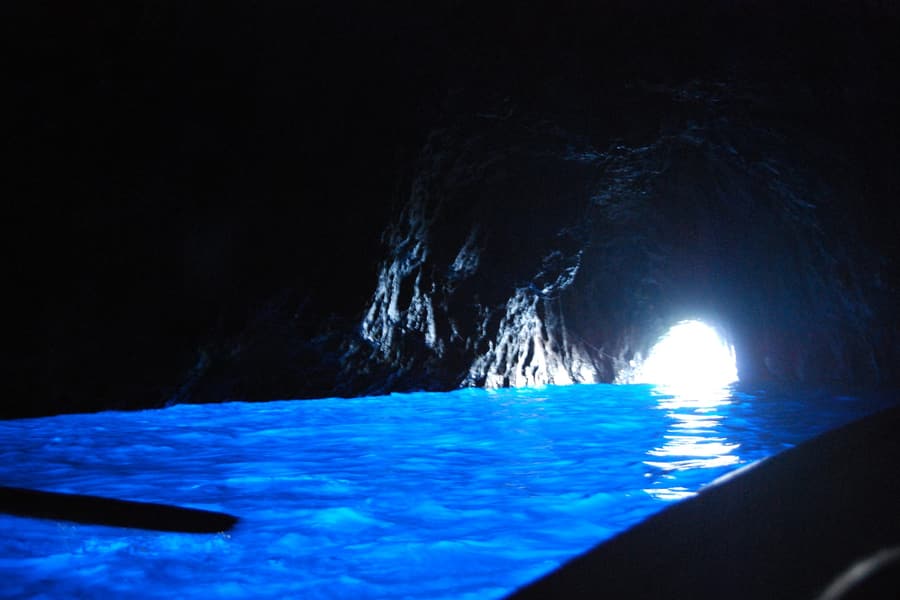 Blue Grotto, Capri A sea cave lit from below to an impossible blue — enter lying flat in a rowing boat
 -
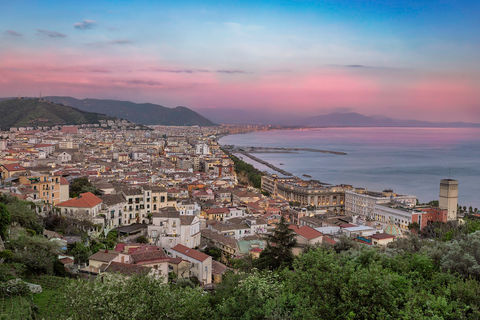 Amalfi Coast Fifty kilometres of terraced cliff, lemon groves and hairpin corniche
 -
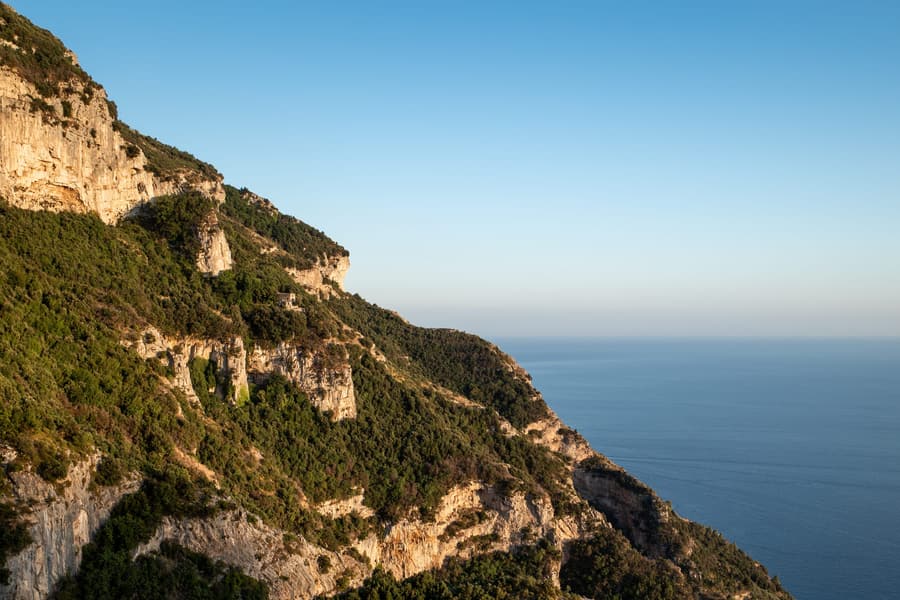 Path of the Gods The Sentiero degli Dei — a cliff path 600 m above Positano
 -
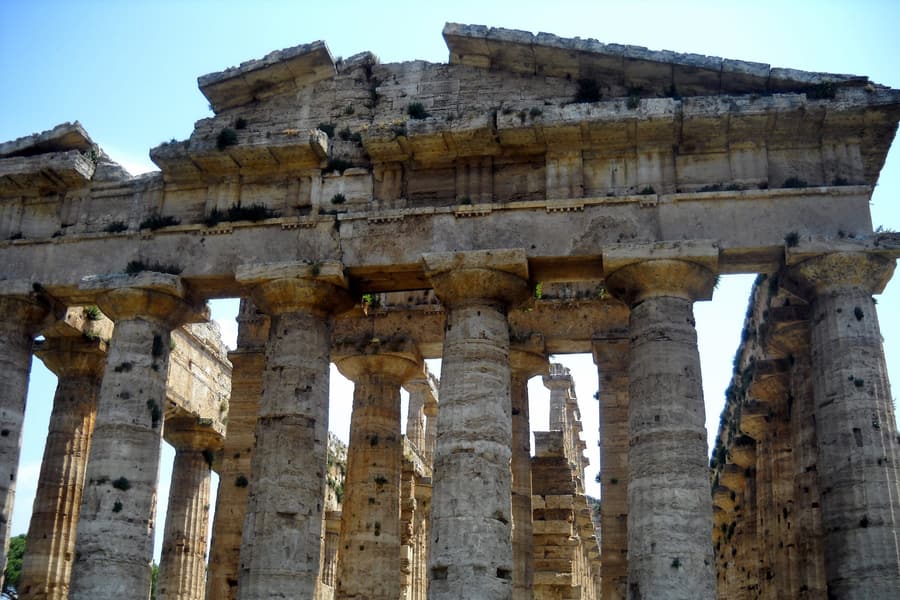 Paestum Three Doric temples better preserved than almost anything in Greece
 -
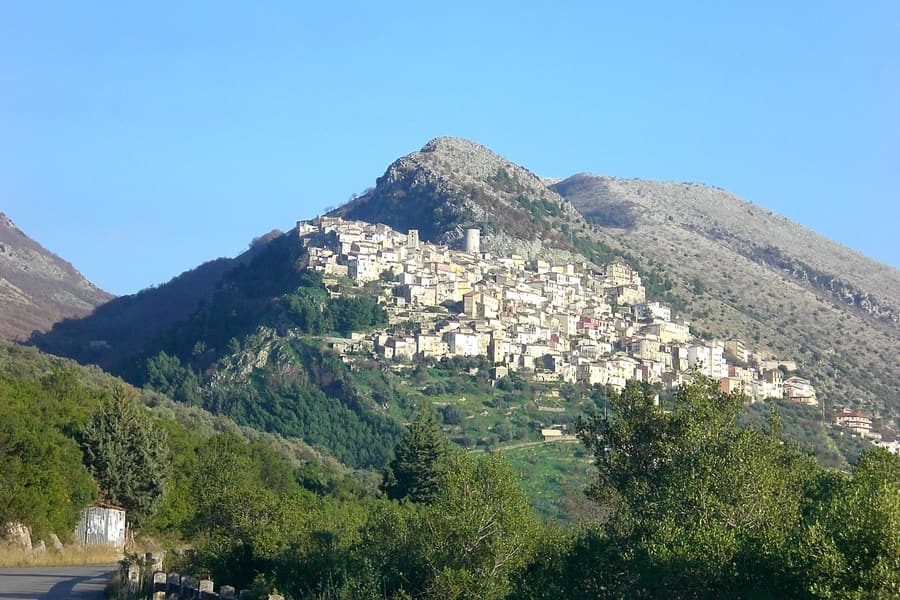 Cilento National Park Mountains, an empty coast and the birthplace of the Mediterranean diet
 -
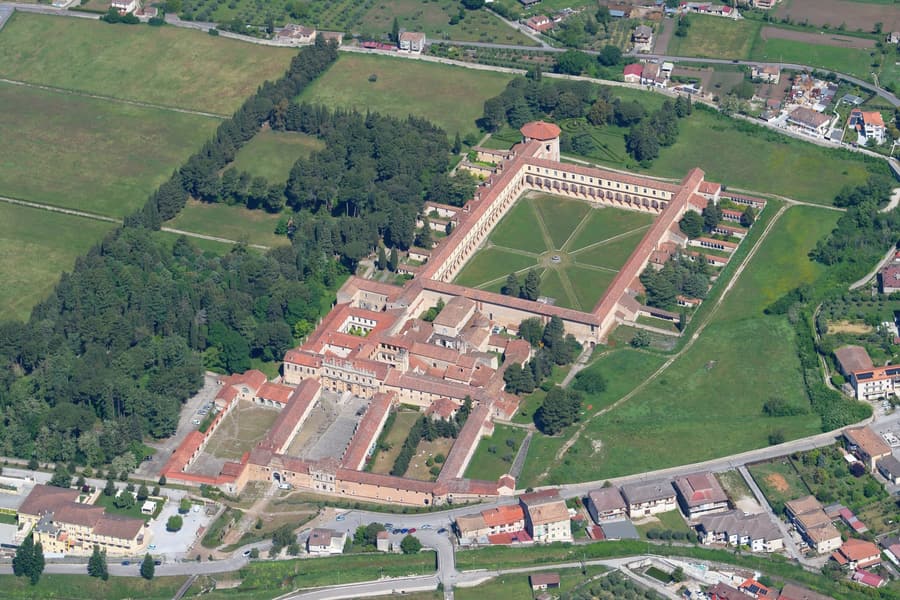 Certosa di Padula One of the largest monasteries in Europe, with a 350-column cloister
 -
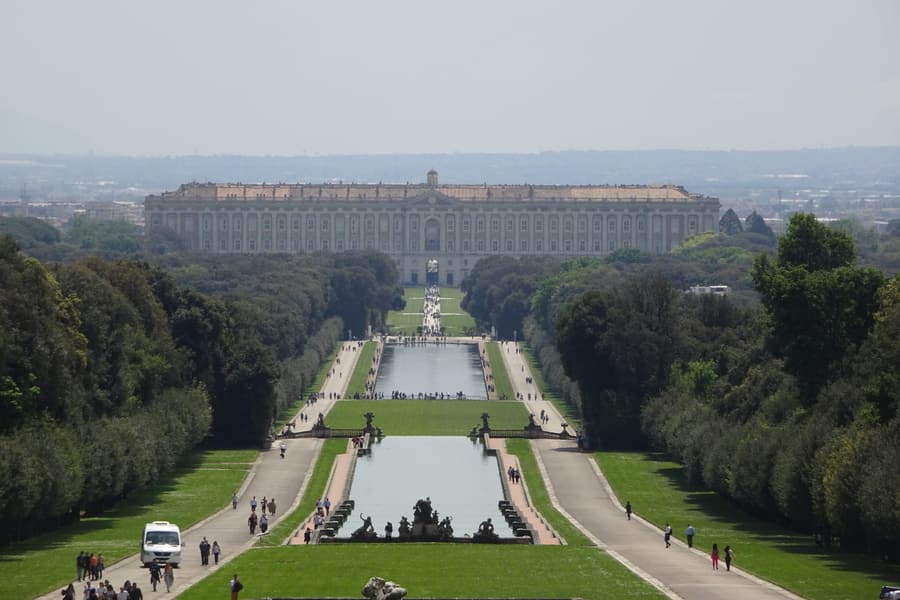 Reggia di Caserta The largest royal palace in the world by volume, with a 3 km water axis
Cities & bases
Where to sleep, and what each place is good for.
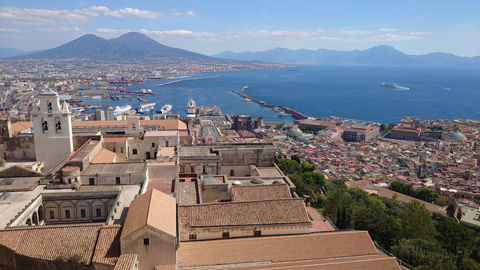
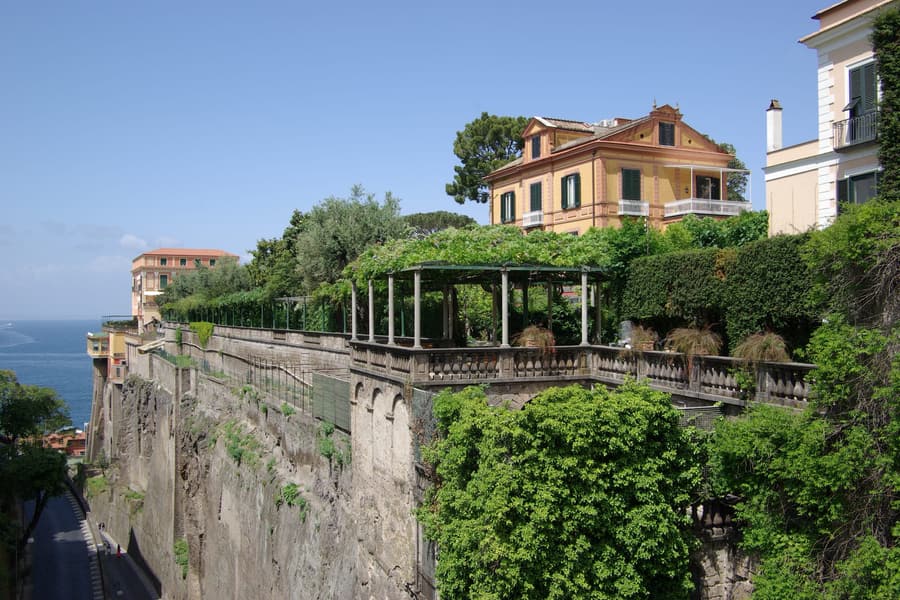
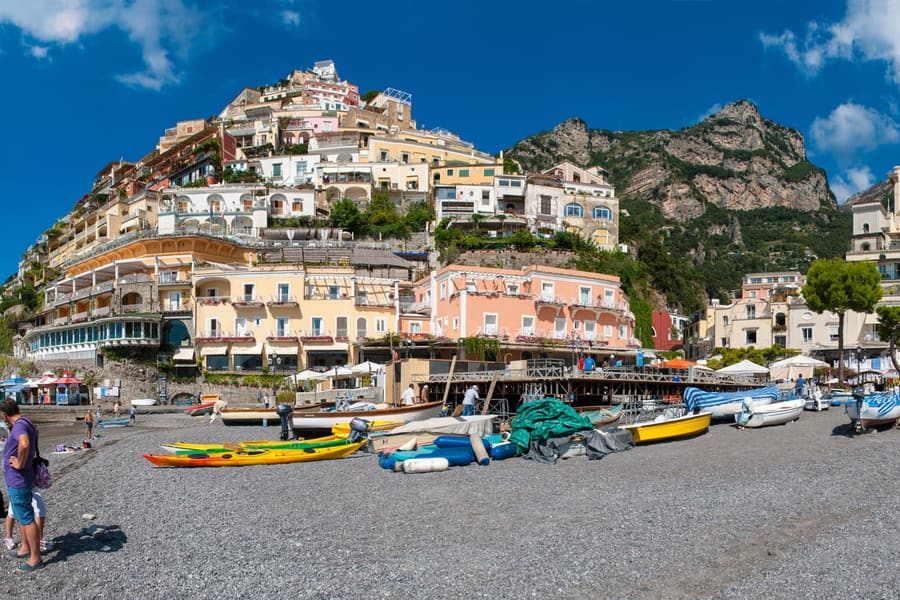
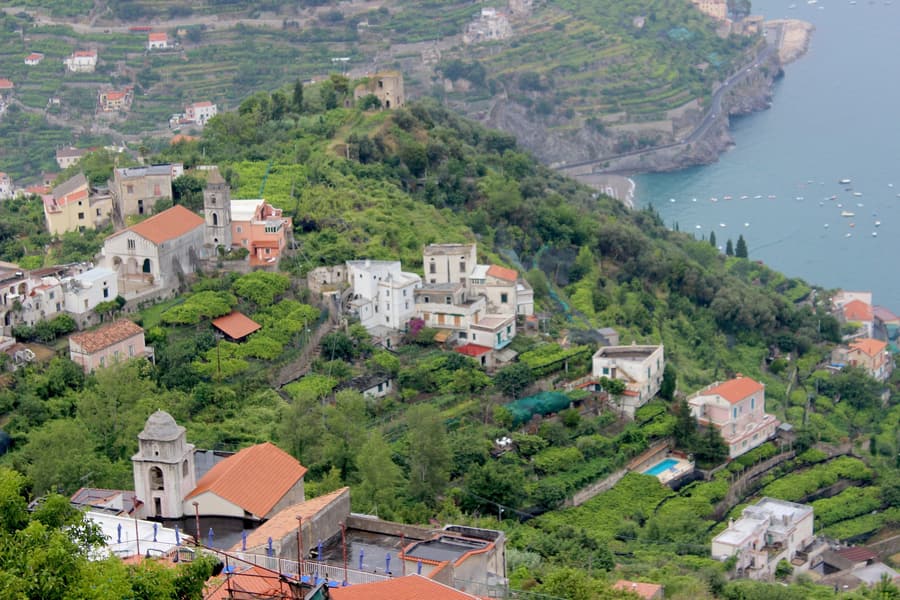
Islands
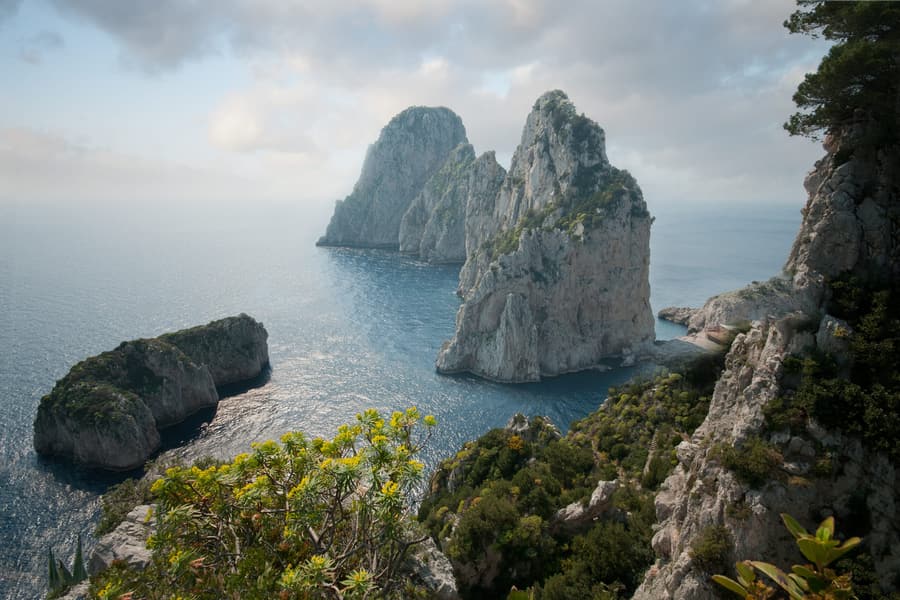
Our guides
Full destination guides we already publish in this region.
Campania by experience
The themes this region delivers on.
-
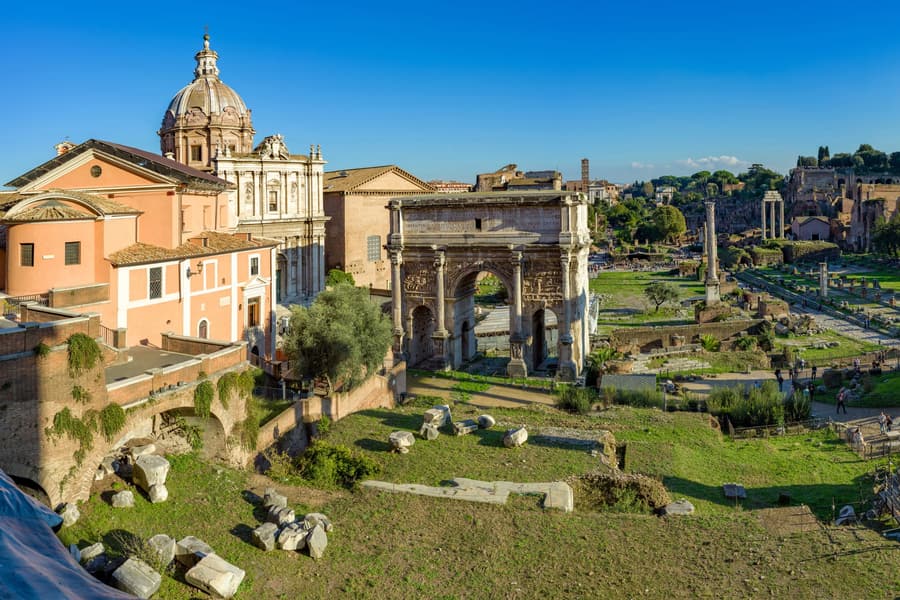 Art & culture More UNESCO World Heritage sites than any other country on earth
 -
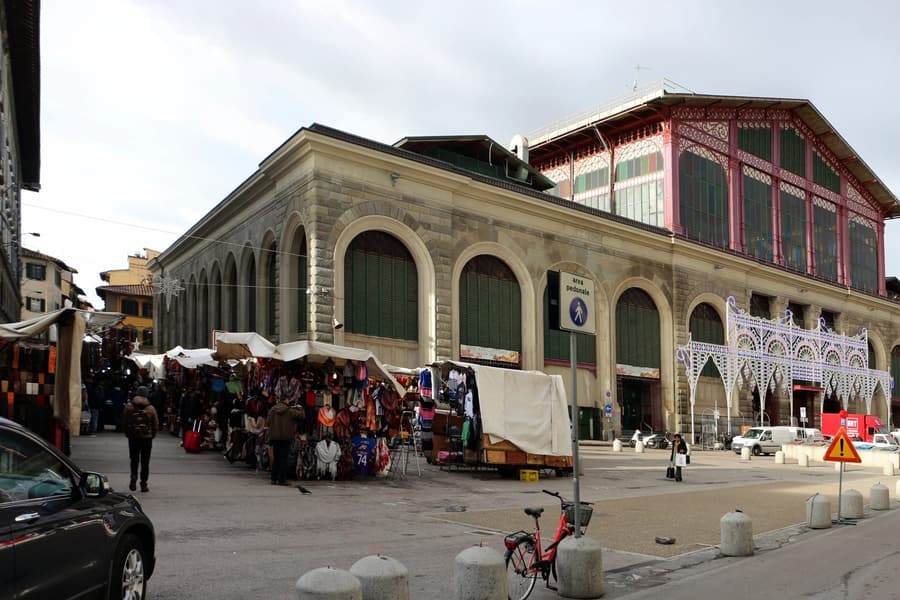 Food & wine Regional to the point of parochial — and all the better for it
 -
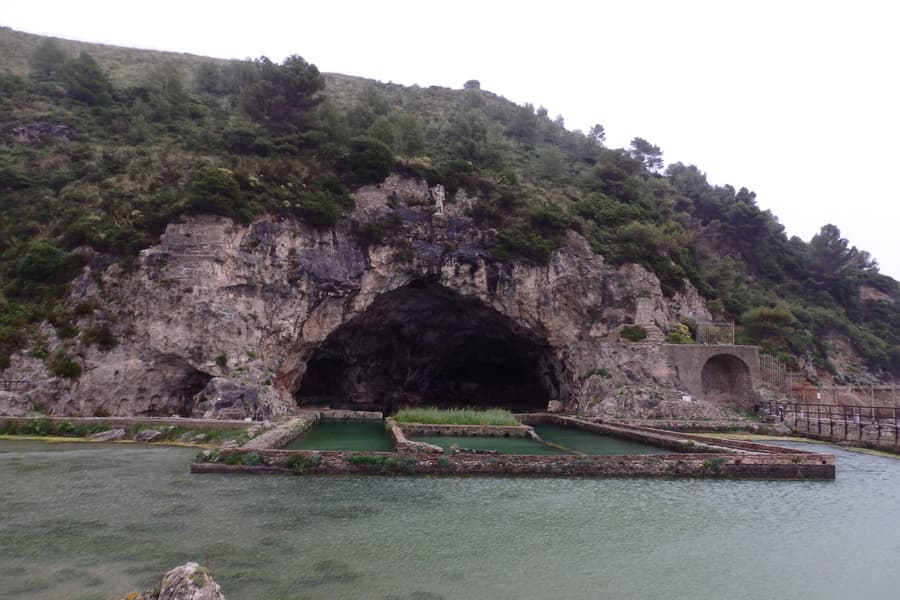 Coast & islands 7,900 km of coastline and around eighty inhabited islands
 -
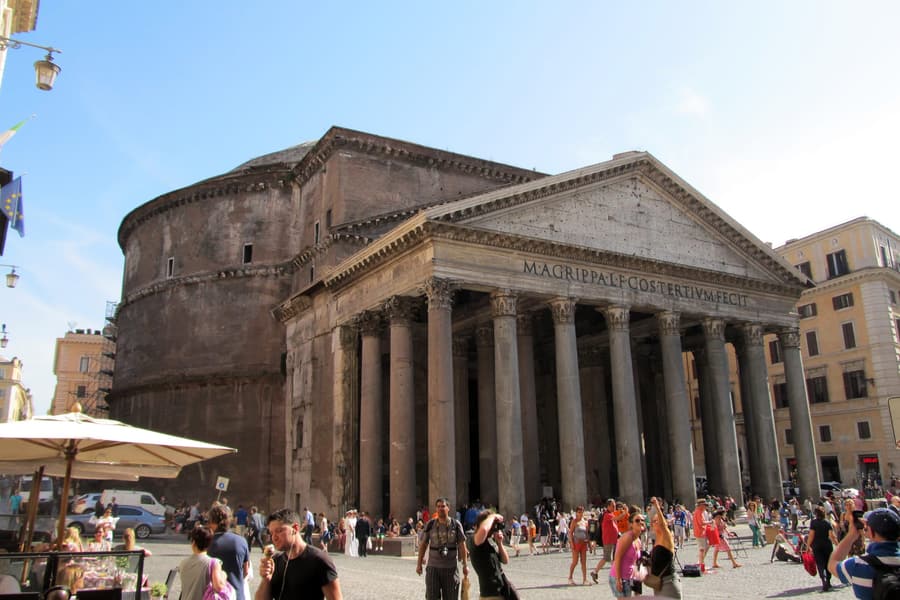 UNESCO Italy Sixty World Heritage sites — the largest tally of any country
 -
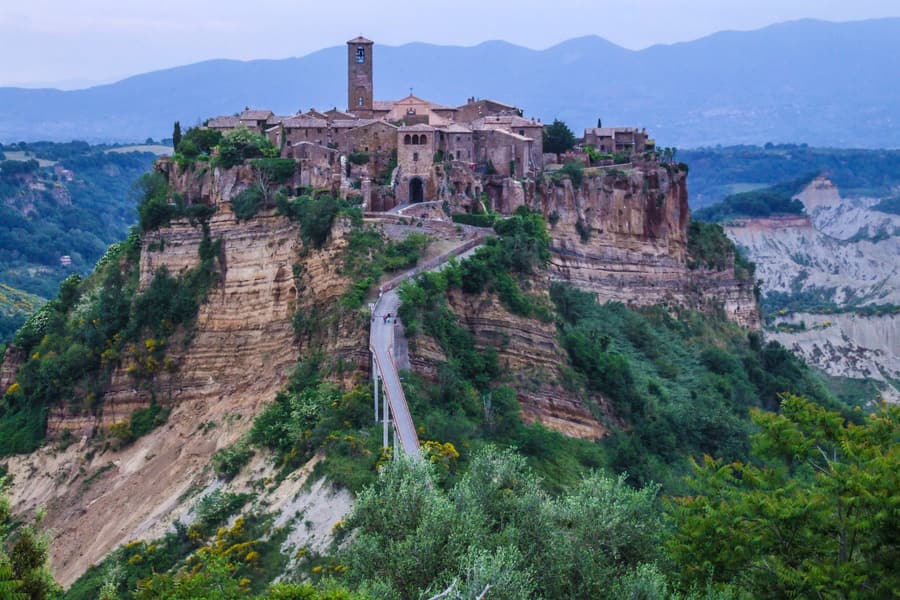 Borghi & villages The hill towns that carry I Borghi più belli d'Italia and the Orange Flag
 -
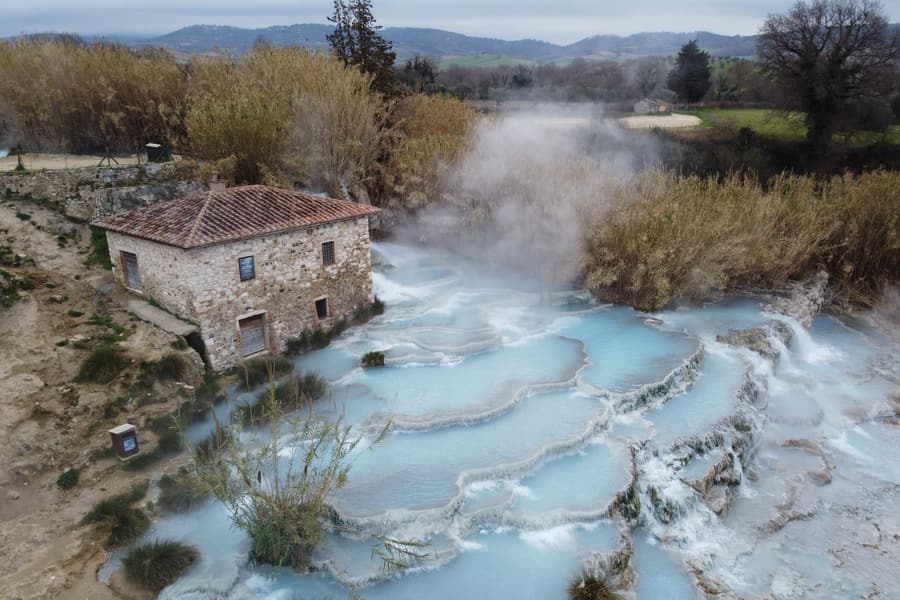 Nature & national parks 25 national parks, from alpine glaciers to volcanic islands
 -
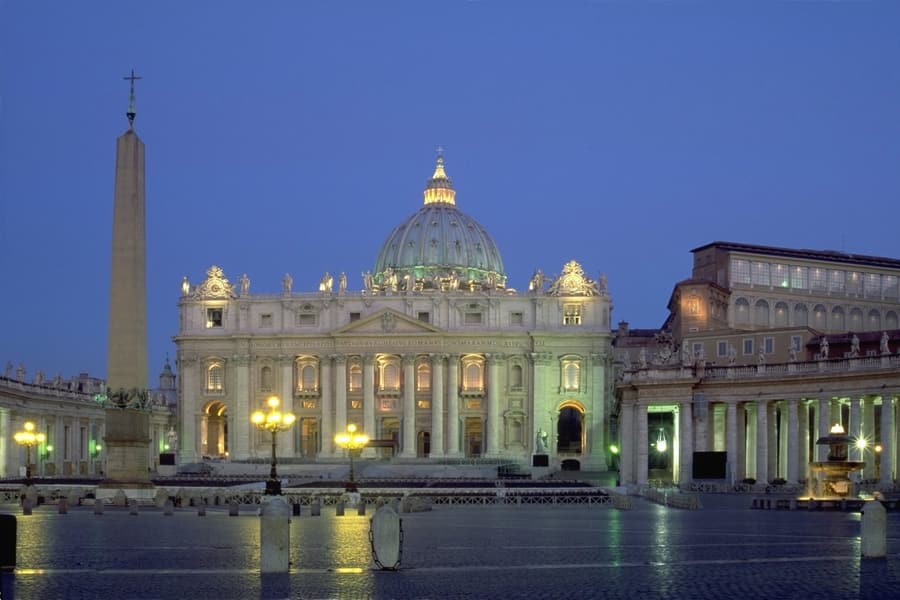 Spirituality & pilgrimage Rome, Assisi, and the pilgrim roads that connect them
 -
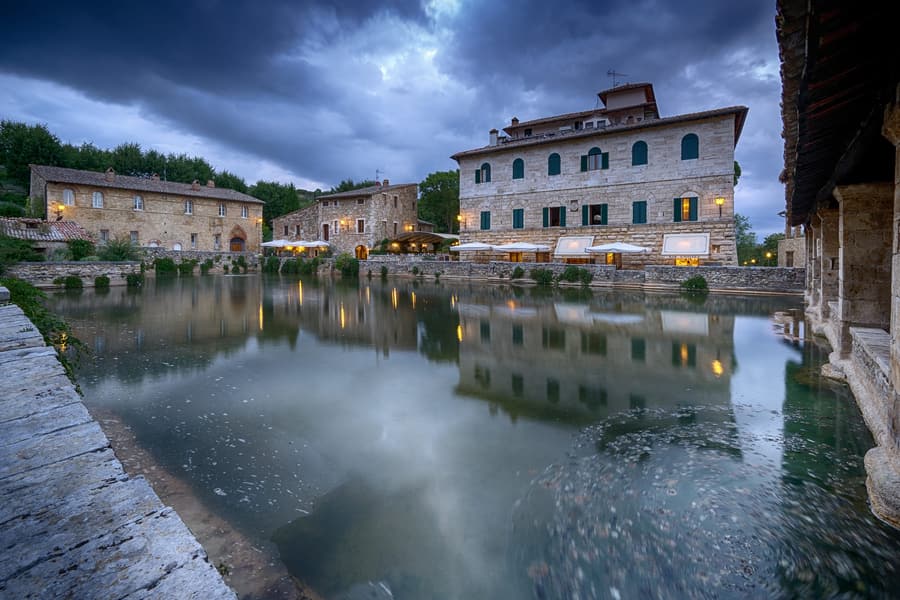 Thermal baths & wellness Volcanic Italy's other output — hot water, since the Romans
 -
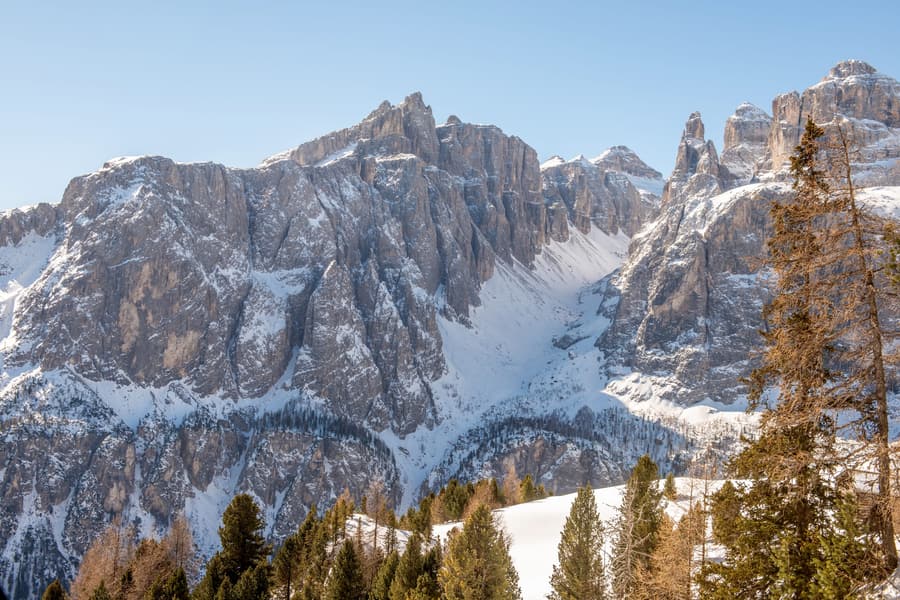 Sport & the outdoors Dolomiti Superski, the Giro's climbs and Garda's windsurfing
 -
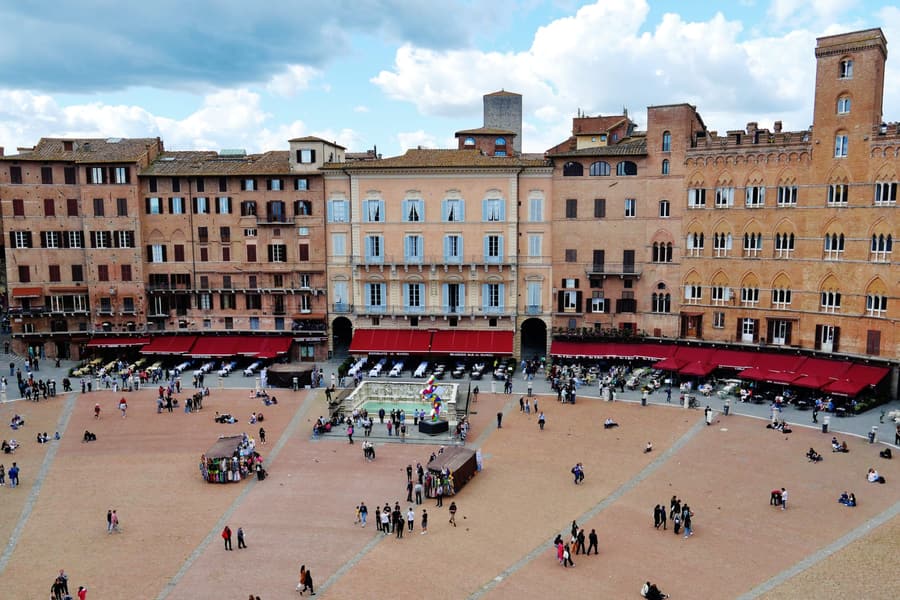 Events & festivals The Palio, Carnevale, the Biennale and an opera season in a Roman arena
 -
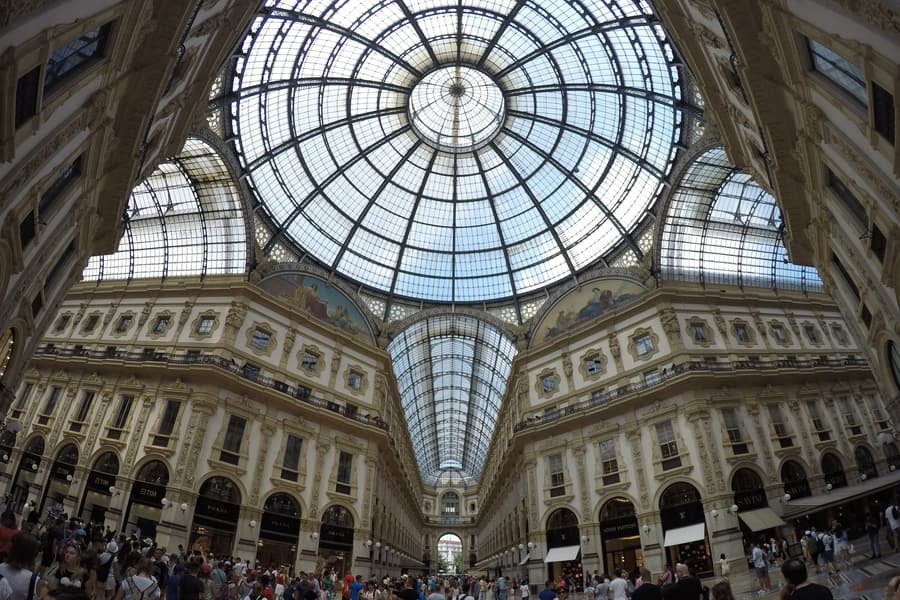 Luxury Italy Portofino, the Costa Smeralda, Capri and the great lake villas
More of The South
-
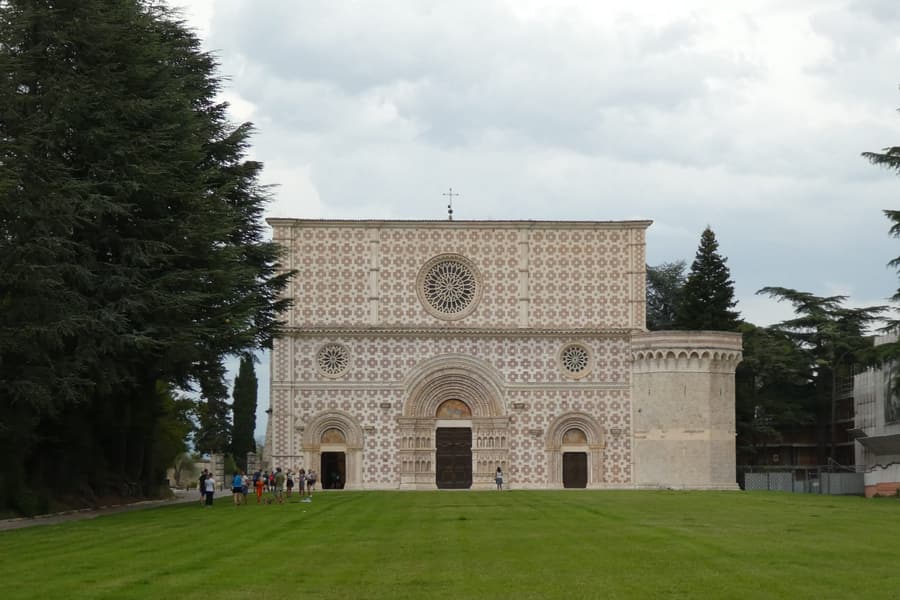 Abruzzo The wildest Apennines — bears, national parks and a trabocchi coast
 -
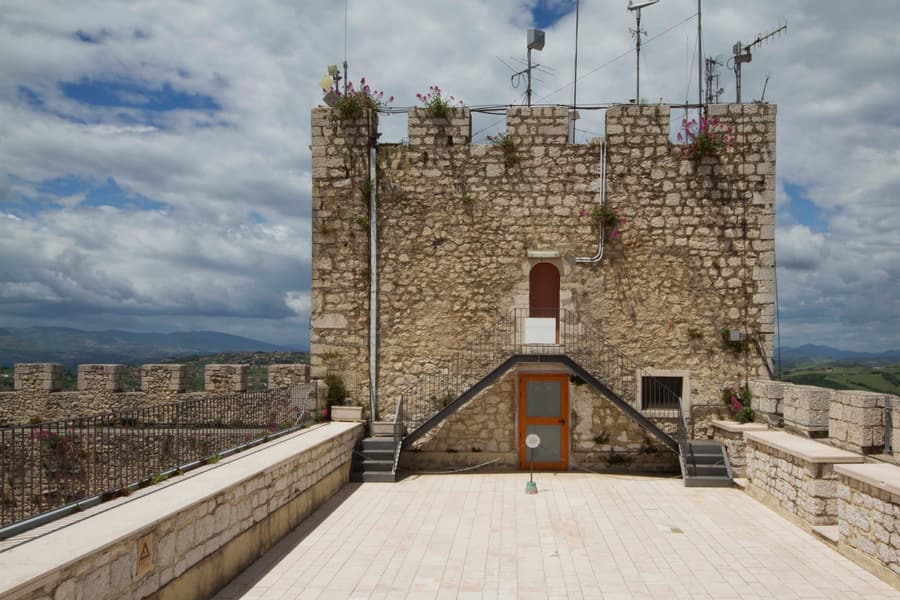 Molise The region Italians joke doesn't exist — mountains, tratturi and Samnite ruins
 -
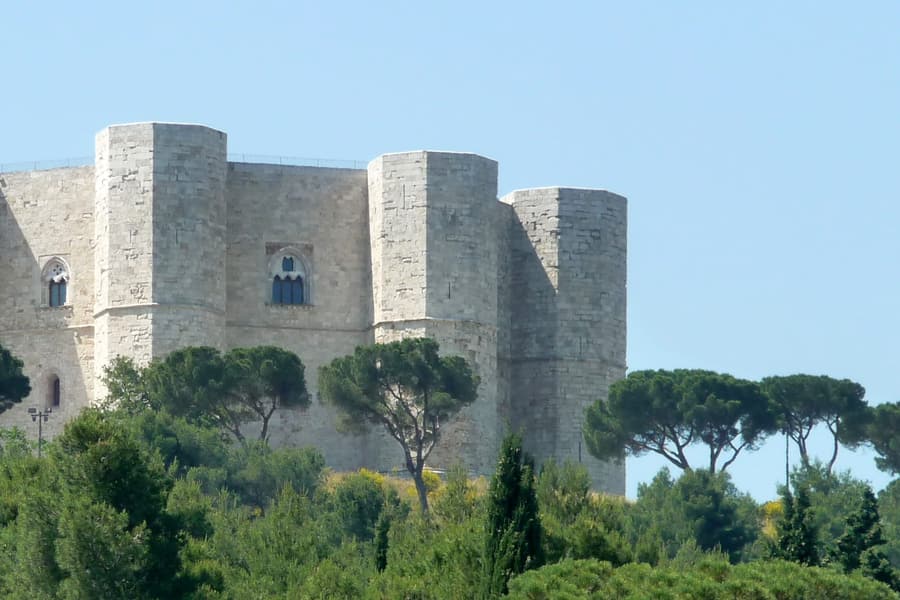 Puglia Trulli, baroque Lecce, whitewashed towns and two seas
 -
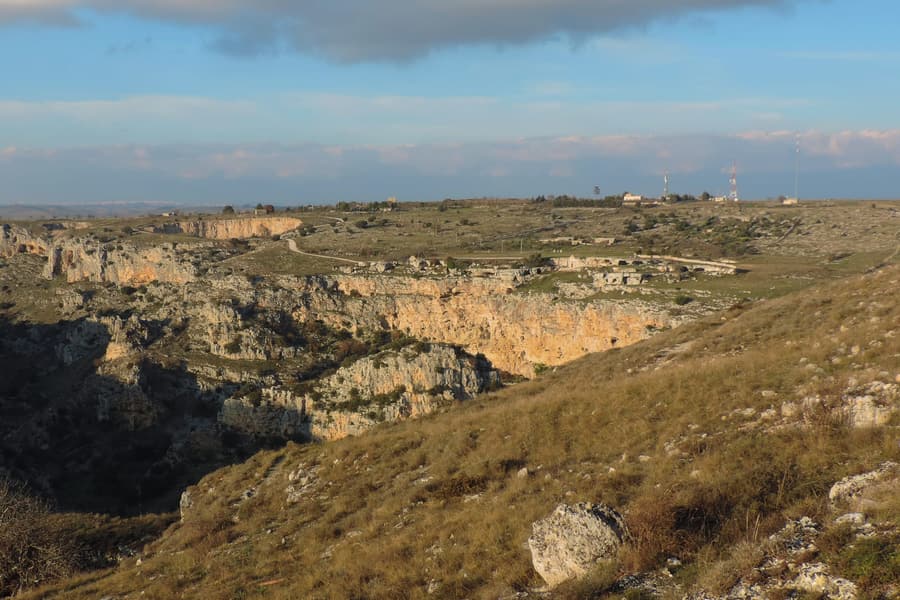 Basilicata Matera's cave city, the Lucanian Dolomites and a sliver of Tyrrhenian coast
 -
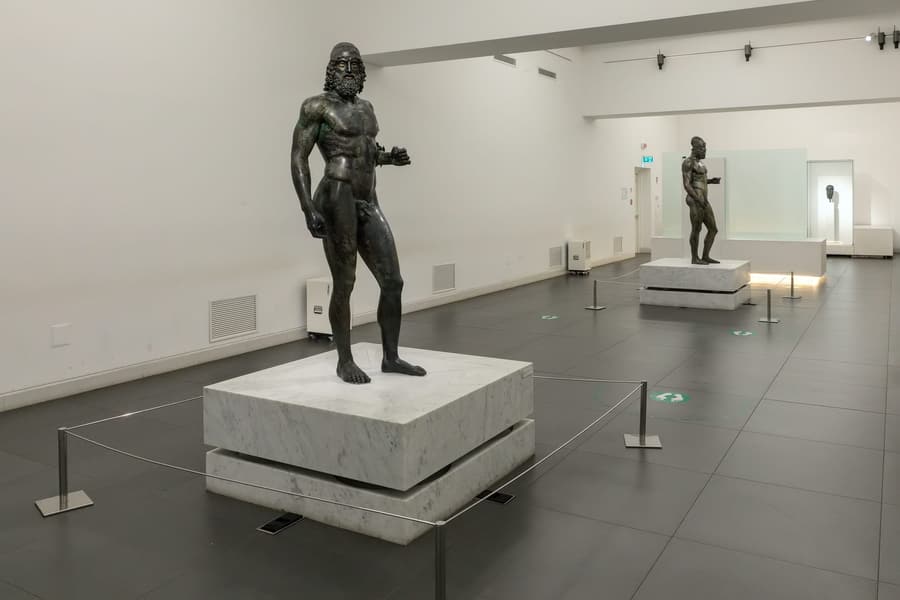 Calabria Tropea's cliffs, three national parks and the Riace Bronzes