Parma is a small, self-satisfied, extremely comfortable city that runs on two things: food and music. It gives its name to Parmigiano Reggiano and Prosciutto di Parma, both made under DOP rules within a defined radius of it, and it hosts the European Food Safety Authority — which is a joke Italians enjoy. It is also Verdi country and one of Italy's great opera towns, with a Teatro Regio whose audience is famously merciless. On top of that it holds Correggio's dome frescoes, which are a pivot point in Western painting.
For the eating, which is arguably the best in Italy's best-eating region, and for the producers — a dairy at dawn and a hill-town curing room in the afternoon is a genuinely great day. Then for Correggio, the Farnese theatre, and a compact centre you can see in a morning.
Things to do
- Correggio's dome, Cathedral of Parma — The Assumption of the Virgin, 1526 — a vortex of foreshortened bodies that changed what a ceiling could do.
- The Baptistery — Pink Verona marble, octagonal, with Antelami's sculpted months and seasons. One of the finest medieval buildings in Italy.
- Teatro Farnese — A vast 1618 wooden theatre inside the Pilotta, rebuilt after wartime bombing. Extraordinary and usually near-empty.
- A Parmigiano dairy at dawn — Curd in copper vats, wheels being turned in the ageing rooms, and a tasting at three ages. Book; starts around 08:00.
- A prosciutto curing room at Langhirano — Thousands of hams hanging in windowed lofts that open to the hill breeze. Twenty minutes south.
- Teatro Regio — Verdi's home theatre and the most feared audience in opera. The October Verdi Festival is the peak.
- Camera di San Paolo — Correggio's earlier, secular ceiling in a former abbess's private room — putti in a trellis, painted for one person.
Where to base yourself
The Parma neighbourhoods worth knowing before you book.
- Coming soon Centro Storico Piazza Garibaldi, the cathedral and the Baptistery, all within five minutes. Where you should stay.
- Coming soon Oltretorrente Across the stream: the Parco Ducale, the old working-class quarter, and the best-value restaurants.
- Coming soon Around the Pilotta The Farnese palace complex and the university — quiet, monumental, and a two-minute walk from the station.
- Coming soon Langhirano & the hills 20 km south, where the prosciutto is cured. Agriturismi with rooms, and the reason to have a car.
- Coming soon Zibello & the Bassa North towards the Po, in the river fog where culatello is made. Flat, strange, and a serious food pilgrimage.
- Coming soon Torrechiara A castle on a hill 18 km south with frescoed rooms and a view over the prosciutto valley.
2 days in Parma
- Day 1 Correggio and the Pilotta
Cathedral and Baptistery at opening. Coffee in Piazza Garibaldi. Late morning at the Pilotta for the Teatro Farnese and the Galleria Nazionale. Long lunch. Afternoon at the Camera di San Paolo, then the Parco Ducale. Dinner in the Oltretorrente.
- Day 2 Food country
Early dairy visit for Parmigiano, then Langhirano for prosciutto and Torrechiara castle above it. Back for an aperitivo of culatello and Malvasia. Opera in the evening if the season is on.
Day trips
Worth the train or the drive from Parma.
- Parmigiano Reggiano & Prosciutto Trail Dairies at dawn and curing rooms in the hills between Parma and Langhirano.
-
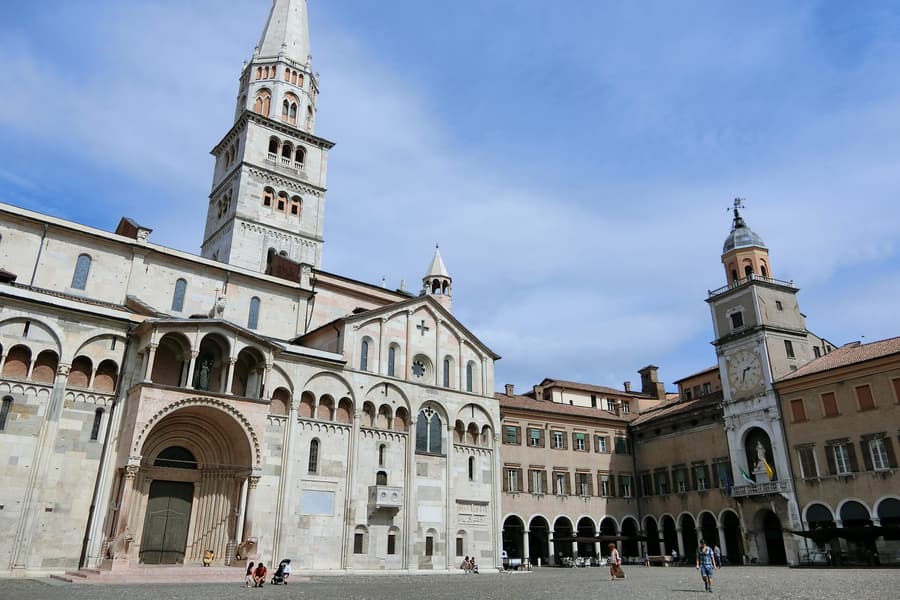 Modena Balsamic acetaie and a Romanesque UNESCO cathedral, 30 minutes east.
 -
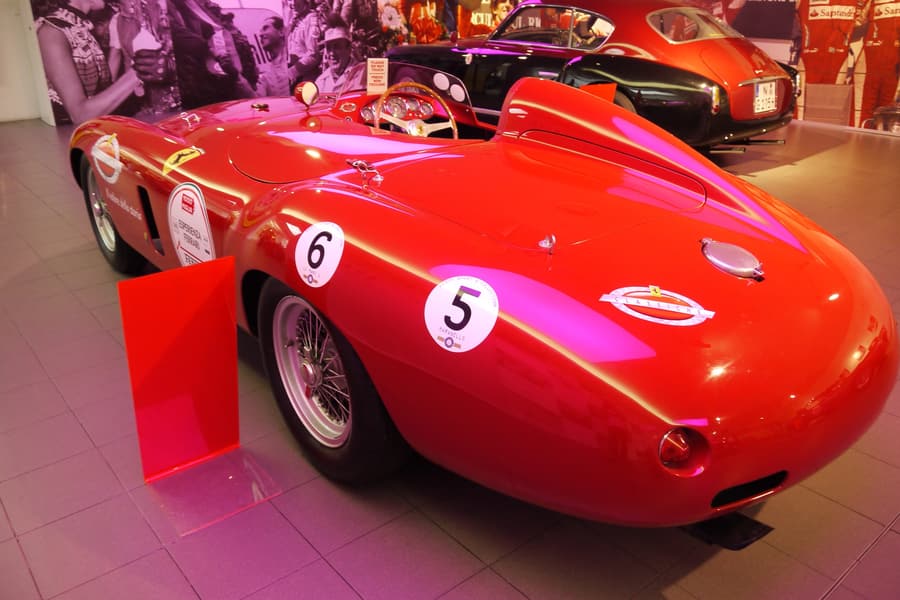 Museo Ferrari, Maranello The Motor Valley, an hour away via Modena.
 -
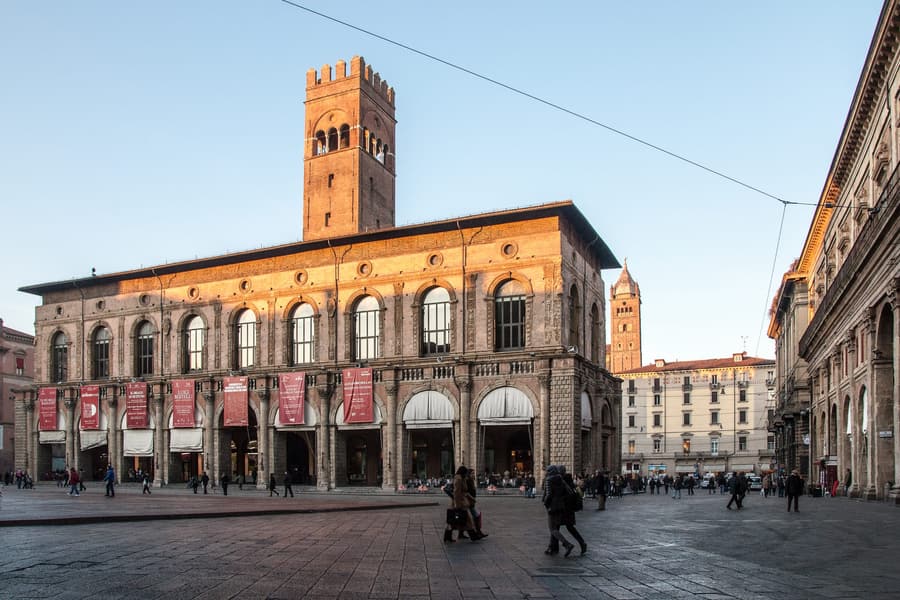 Bologna An hour east — porticoes and the region's capital.
 -
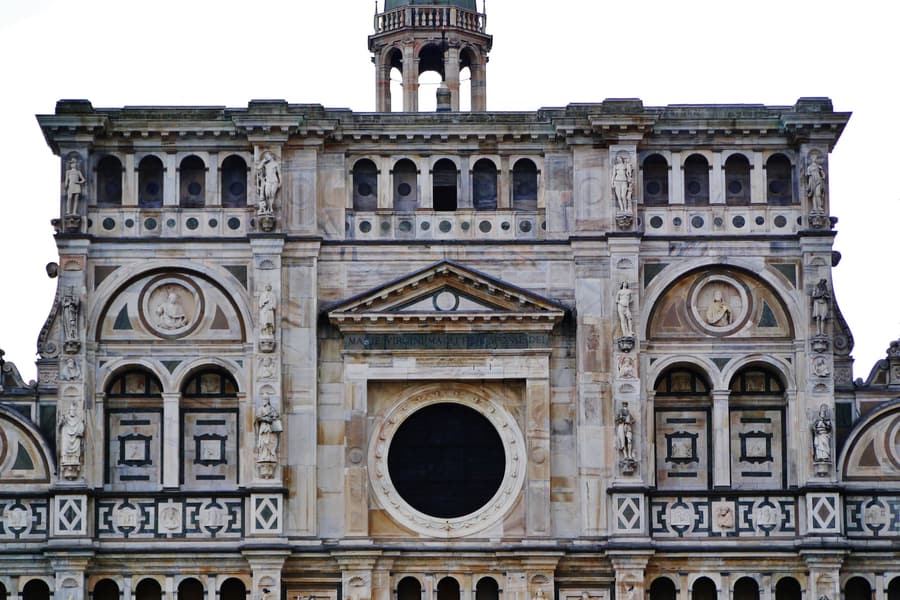 Certosa di Pavia The most ornate Carthusian façade in Lombardy, an hour north-west.
Practical
- Best time to go
- April–June and September–October. Dairies do their visits early (cheesemaking starts around 08:00) year-round. The opera season runs autumn to spring, with the Verdi Festival each October. Winter fog is atmospheric; August is hot and shuttered.
- Getting there
- Bologna Marconi (BLQ) is an hour away and Milan's airports 1h30. Parma is on the Milan–Bologna line — 1h to Milan, 1h to Bologna, direct to Florence in 1h45. The centre is a 10-minute walk from the station.
- Getting around
- Walk or cycle — Parma is flat and full of bicycles. The centre is small enough that nothing needs a bus. A car is only useful for the food producers in the hills, which is the main reason to have one.
- Eat & drink
- Parmigiano Reggiano, aged 12 to 36 months and better the older it gets; Prosciutto di Parma, cured in the hill air at Langhirano; culatello di Zibello, the rarer and finer cut, made in the river fog. Then anolini in brodo, tortelli d'erbetta, and horse tartare, which is normal here. Malvasia and Lambrusco to drink, both usually dry and both usually fizzy. The Parma Quality Restaurants scheme is a reliable shortlist.
- Know before you go
- Dairy visits must be booked ahead and start very early. The Baptistery and the Cathedral keep separate tickets and separate hours. Many restaurants shut Sunday evening and all day Monday. The Teatro Farnese is inside the Palazzo della Pilotta complex, on a combined ticket with the Galleria Nazionale.
More of Emilia-Romagna
- Bologna 40 km of porticoes, the oldest university in Europe, and the best eating in Italy
-
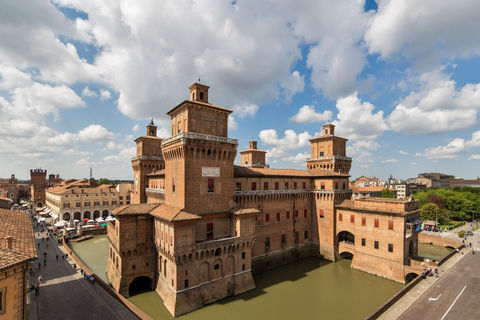 Ferrara A moated castle, Renaissance town planning and bicycles everywhere
 - Modena Balsamic vinegar, a Romanesque cathedral and Ferrari next door
-
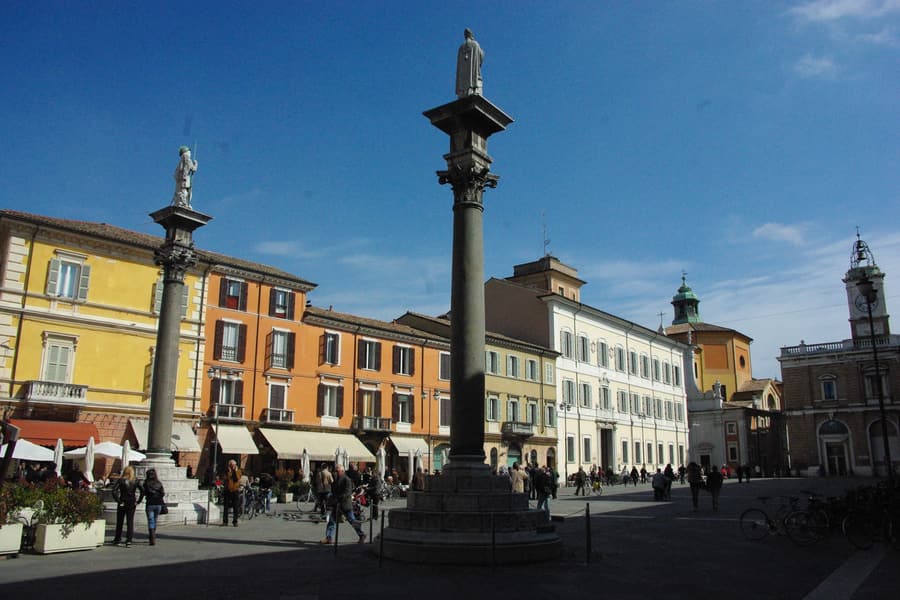 Ravenna The best Byzantine mosaics outside Istanbul
 -
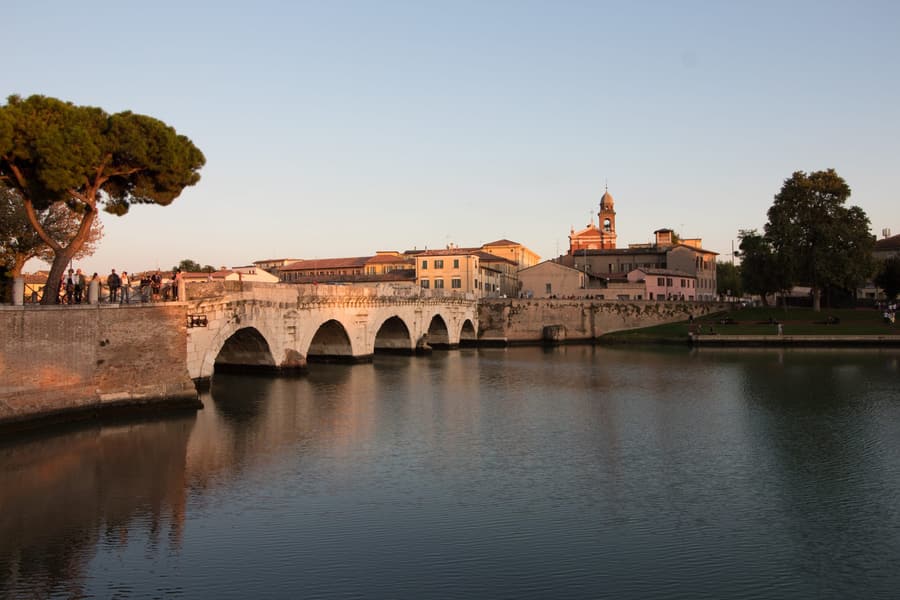 Rimini Fifteen kilometres of Adriatic beach — and Fellini's home town