Ravenna was capital of the Western Roman Empire from 402, then of Theodoric's Ostrogothic kingdom, then of Byzantine Italy — and each regime left mosaics. Eight buildings from the fifth and sixth centuries are UNESCO-listed together, and between them they hold the best-preserved Byzantine mosaic cycles anywhere outside Istanbul. The city itself is small, flat, brick and quiet; Dante finished the Divine Comedy here in exile and is buried a few streets from the cathedral, which Florence has been trying to undo ever since.
Because San Vitale and the Mausoleum of Galla Placidia are simply among the greatest interiors in Europe, and almost nobody queues for them. You can see all eight sites in a long day, and the city is a 90-minute detour from Bologna or the Adriatic coast.
Things to do
- Basilica di San Vitale — The Justinian and Theodora panels in the apse, 547 AD — the emperor and empress in gold, staring out fifteen centuries later.
- Mausoleum of Galla Placidia — Tiny, and the best of all of them: a deep-blue starred vault over a small brick cross-shaped room. Timed entry, ten minutes inside.
- Sant'Apollinare Nuovo — Two long processions of martyrs and virgins down the nave walls, with Theodoric's erased Arian courtiers still faintly visible.
- Sant'Apollinare in Classe — Out at the old port: a vast brick basilica with a green paradise mosaic in the apse and a colonnade of marble columns.
- The Neonian Baptistery — Fifth-century, and the oldest monument in the city — a domed baptism of Christ ringed by the apostles.
- Dante's tomb — A small neoclassical temple where the poet has lain since 1321, with a lamp kept burning on oil sent from Florence each year.
- A mosaic workshop — Ravenna still trains mosaicists; several studios run half-day courses where you cut and set your own smalti.
Where to base yourself
The Ravenna neighbourhoods worth knowing before you book.
- Coming soon Centro Storico Piazza del Popolo and the streets around it — San Vitale, Galla Placidia and Dante's tomb are all a few minutes away. Stay here.
- Coming soon Around Sant'Apollinare Nuovo East of the centre towards the station: quieter streets, cheaper hotels, five minutes' walk in.
- Coming soon Classe 5 km south — the sixth-century basilica in what was the Roman port, now stranded inland as the coast moved.
- Coming soon Marina di Ravenna & Punta Marina The city's beaches, 10 km east: pine woods behind, wide sand, and a very Italian summer scene.
- Coming soon The Po Delta North: lagoons, eel fisheries and Italy's largest wetland bird reserve, on the UNESCO Ferrara listing.
- Coming soon Brisighella & the hills 45 minutes south-west, where the plain finally ends — chalk pinnacles, olive oil and a raised covered street.
2 days in Ravenna
- Day 1 The eight monuments
Combined ticket at San Vitale, then straight into Galla Placidia next door before the light moves. Neonian Baptistery and the Archiepiscopal Chapel late morning. Piadina lunch. Afternoon at Sant'Apollinare Nuovo and Dante's tomb, then out to Classe for the basilica at the end of the day.
- Day 2 Delta or hills
North into the Po Delta for the lagoons and Comacchio's canals, or south-west to Brisighella for the hills. Back for grilled fish and Sangiovese.
Day trips
Worth the train or the drive from Ravenna.
-
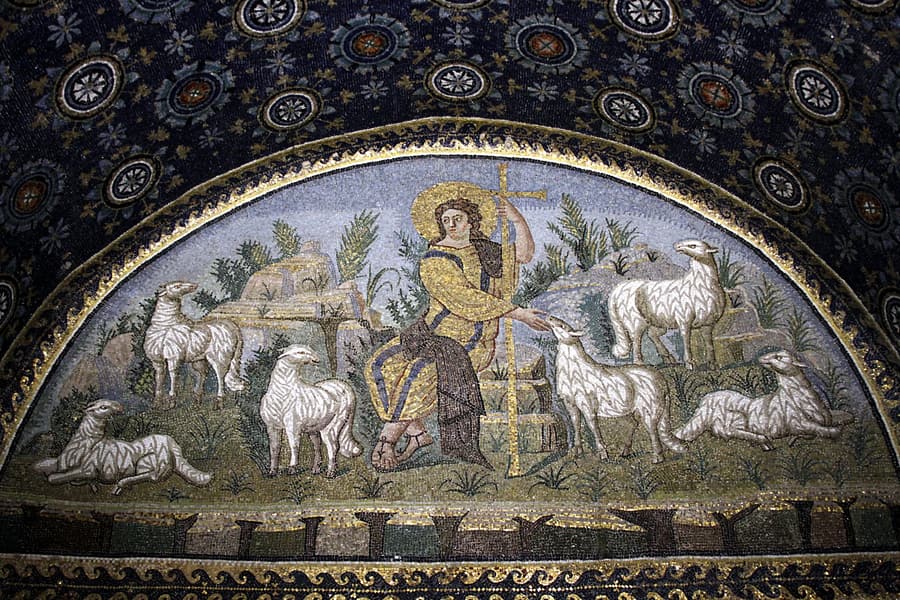 Ravenna's Byzantine Mosaics The eight UNESCO monuments — the reason to be here.
 -
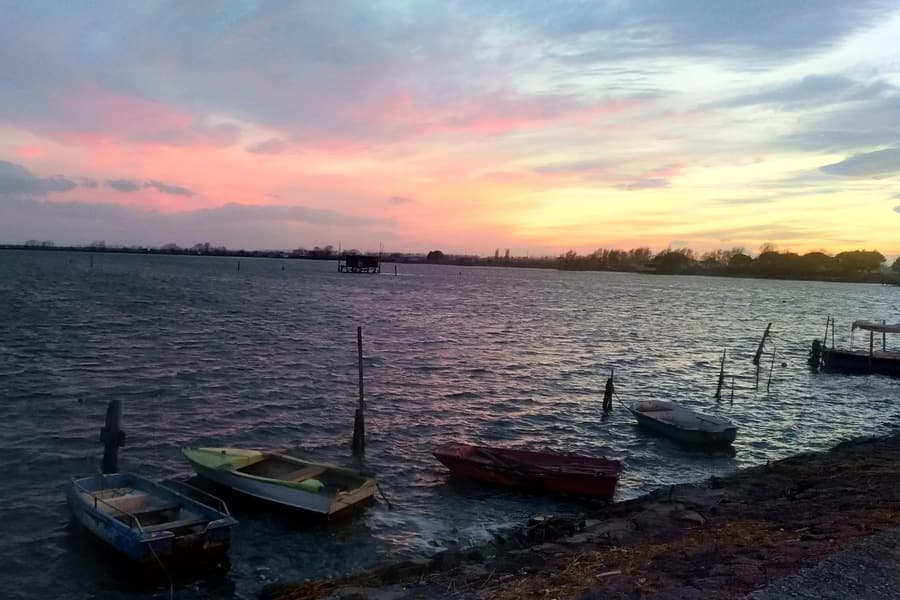 Comacchio & the Po Delta Canals, eel fisheries and the biggest wetland bird reserve in Italy, 45 minutes north.
 -
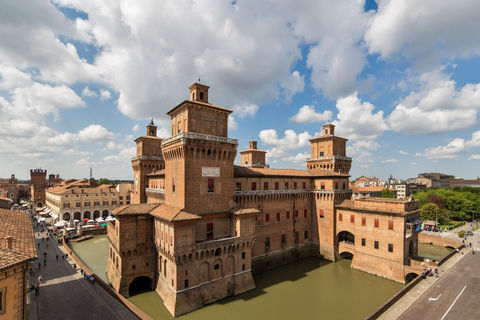 Ferrara A moated Este castle and Renaissance town planning, an hour north.
 -
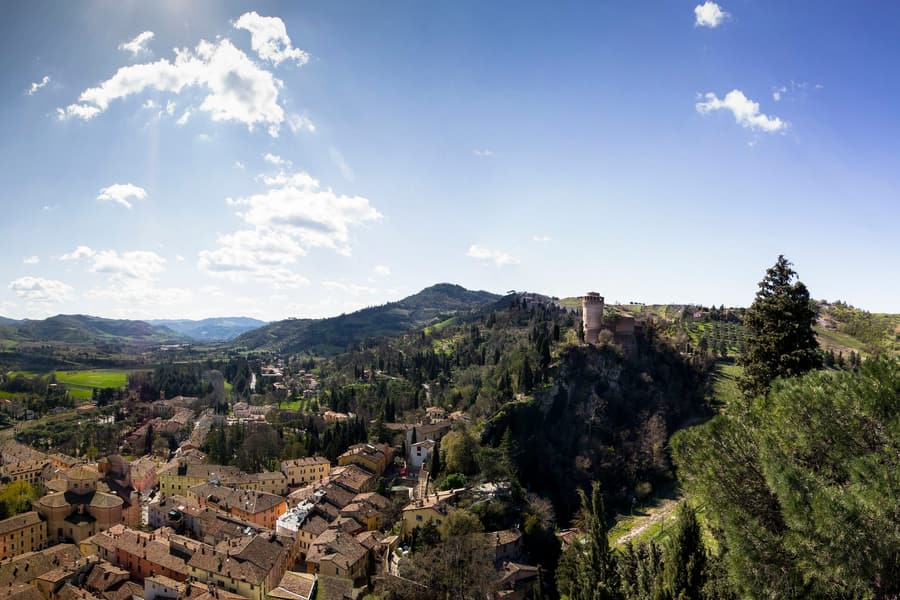 Brisighella Chalk pinnacles and very good olive oil, 45 minutes south-west.
 -
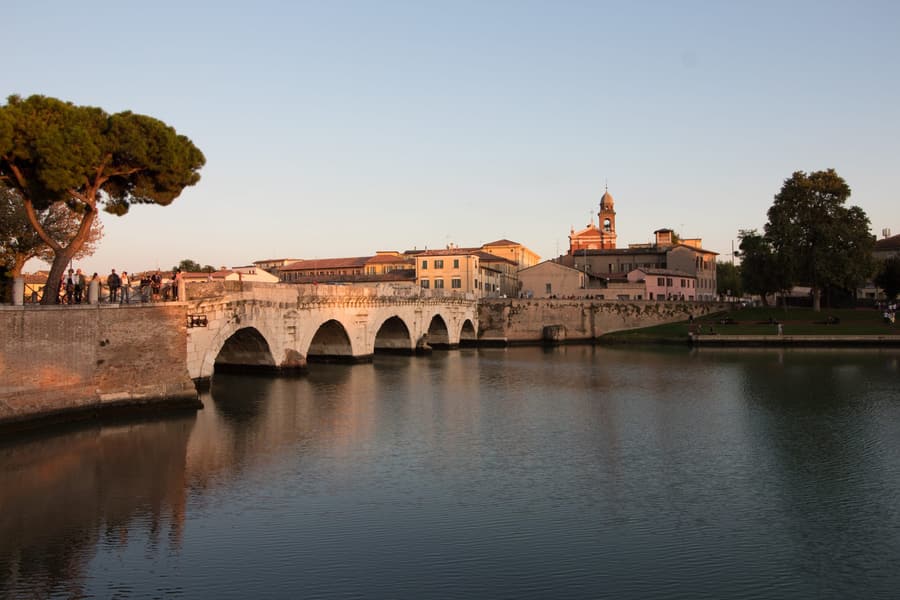 Rimini Adriatic beaches, a Roman bridge and Fellini, an hour south.
 -
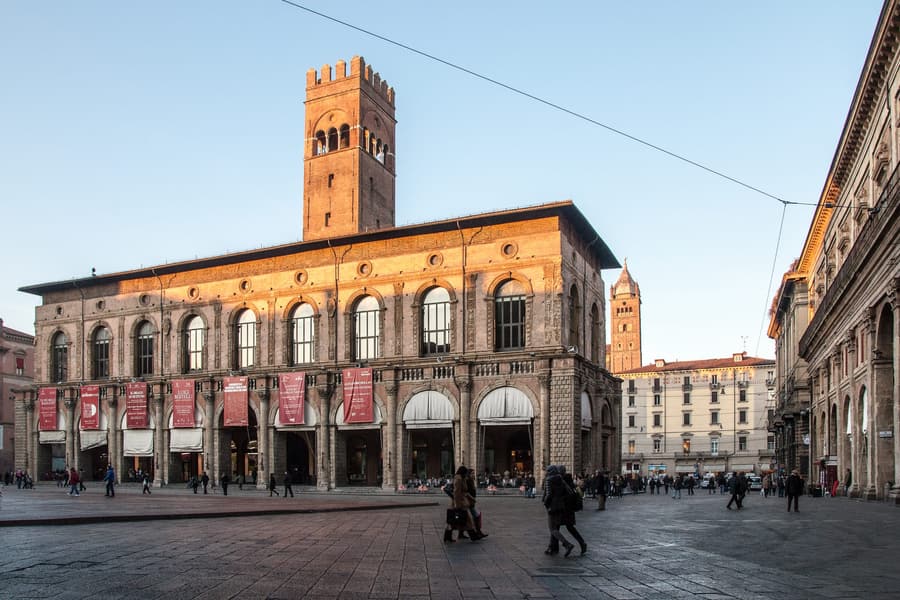 Bologna 1h15 west — porticoes and the best eating in the region.
Practical
- Best time to go
- April–June and September–October. The mosaics are lit by daylight through alabaster and thin windows, so a bright day genuinely matters — and midday is when Galla Placidia's blue vault reads best. Summer is hot and busy with beach traffic; winter is quiet and often clear.
- Getting there
- Bologna (BLQ) is the airport, 80 minutes away; Rimini (RMI) and Forlì are closer for low-cost flights. Trains run from Bologna in about 1h15 and from Rimini in an hour. The station is a 10-minute walk from the centre.
- Getting around
- Walk — the eight monuments are all within 20 minutes of each other, and the centre is pedestrianised and flat. Ravenna is also a serious cycling town with free and cheap bike hire. Classe, with Sant'Apollinare in Classe, is 5 km south: bus or a short train hop.
- Eat & drink
- Romagnolo food, which is rustic and generous: piadina (a flatbread from a griddle, filled with squacquerone cheese and rocket) sold from kiosks everywhere; cappelletti in brodo; grilled Adriatic fish; and Sangiovese di Romagna and Albana to drink. The market and the streets around Piazza del Popolo have the good, unfussy places.
- Know before you go
- One combined ticket covers five of the eight monuments and is the only way in to most of them — buy it at any of the sites. Galla Placidia has a timed cap in high season and a small supplement. Sant'Apollinare in Classe and the Mausoleum of Theodoric are outside the centre and need separate tickets. Several mosaics are behind glass or under scaffolding at any given time; check what is open on arrival.
More of Emilia-Romagna
- Bologna 40 km of porticoes, the oldest university in Europe, and the best eating in Italy
- Ferrara A moated castle, Renaissance town planning and bicycles everywhere
-
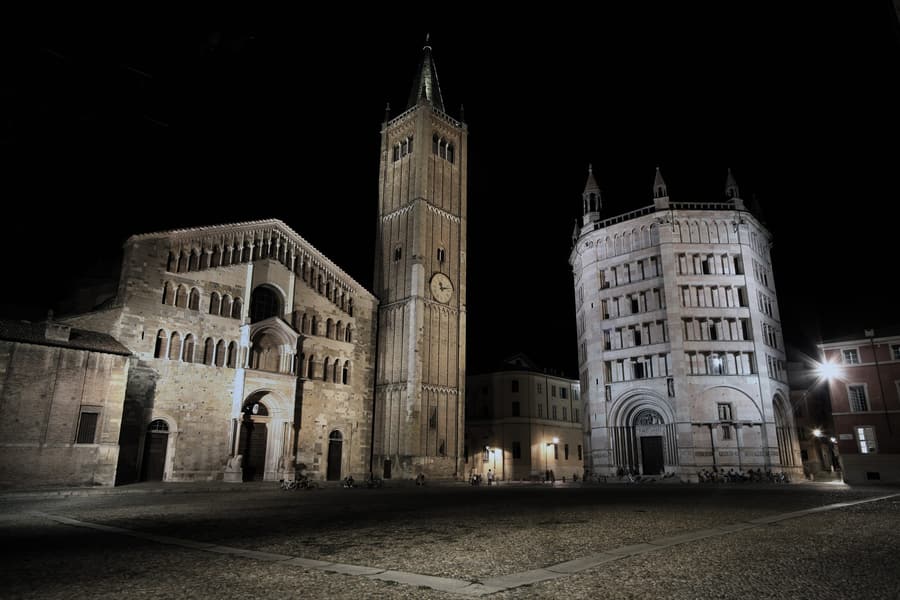 Parma Prosciutto, Parmigiano, Correggio's frescoes and Verdi's country
 -
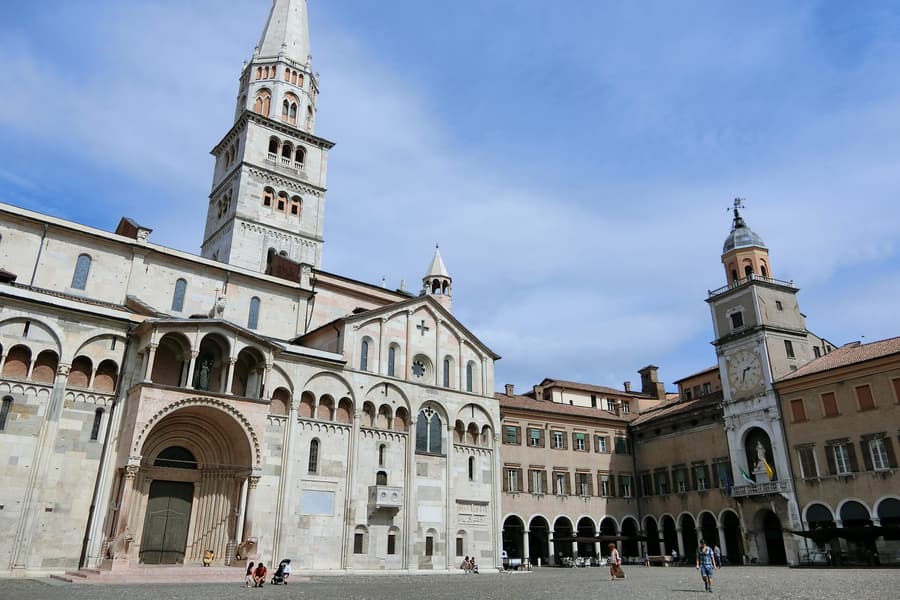 Modena Balsamic vinegar, a Romanesque cathedral and Ferrari next door
 - Rimini Fifteen kilometres of Adriatic beach — and Fellini's home town