 Landmarks © Oscar Flowers / Wikimedia Commons (CC BY-SA 3.0)
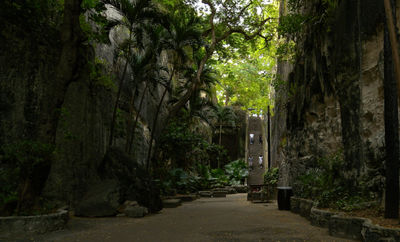
 Queen's Staircase
A 65-step passage carved by hand out of solid limestone in the late 18th century, climbing from downtown Nassau to Fort Fincastle.
Best for History
The Bahamas' capital and cruise-ship gateway on New Providence, where colonial forts and the Fish Fry sit beside Atlantis and the resort strip of Cable Beach.
Jcofilms / Wikimedia Commons (CC BY 4.0)
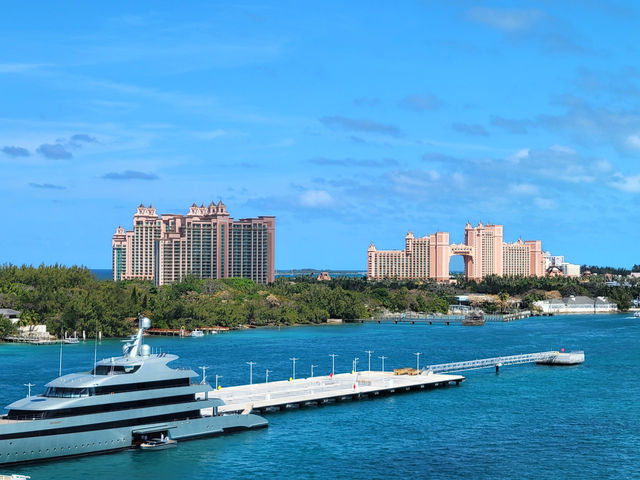
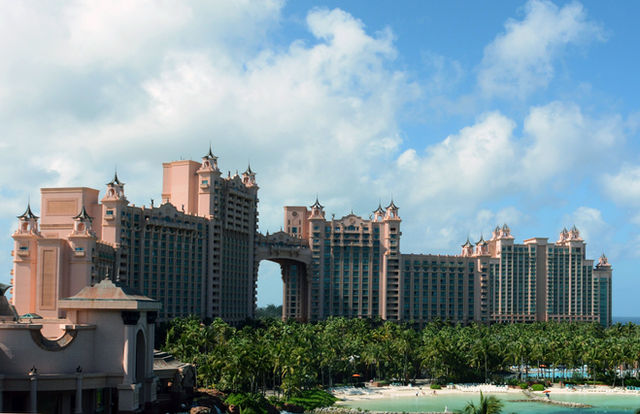
Nassau is the capital of the Bahamas and the country's front door, sitting on the small island of New Providence rather than on one of the quieter Out Islands. It draws the great majority of the nation's arrivals through a single busy pair of hubs: Lynden Pindling International Airport (NAS) and the cruise terminal at Prince George Wharf, one of the busiest cruise ports in the world. The historic core is compact and genuinely walkable — Bay Street, the Straw Market, pastel colonial buildings, the Queen's Staircase and a trio of British-built forts (Fincastle, Charlotte and Montagu) — and it can be pleasant early in the day. It also gets overwhelmed when several large ships berth at once, so timing matters more here than almost anywhere else in the guide. Immediately across a short bridge is Paradise Island, dominated by the vast Atlantis resort complex with its Aquaventure water park, Dolphin Cay and open-air marine habitats. To the west, Cable Beach is the traditional hotel strip, now anchored by the large Baha Mar development. New Providence suits travellers who want easy flights, big-resort facilities, reliable beaches and a short-hop base for island day trips — not those seeking seclusion or an undeveloped Bahamas. For that, Nassau is best treated as the gateway you pass through on the way to the Exumas, Abacos or Eleuthera.
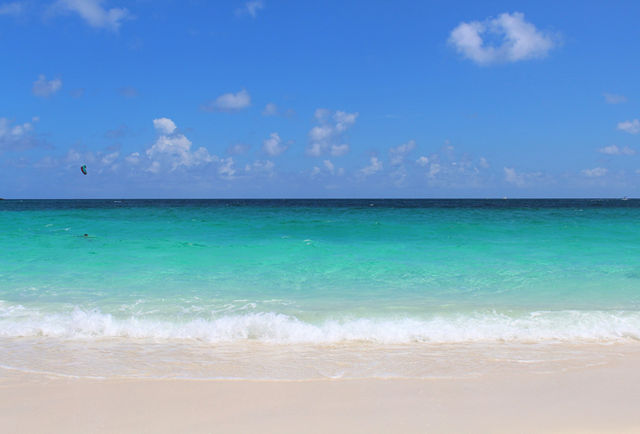
Nassau earns its place as the practical, well-connected heart of the Bahamas. It has the country's best flight links, the widest choice of hotels at every price point, and the two beaches most people picture — Cabbage Beach on Paradise Island and the long sweep of Cable Beach — plus the powdery Junkanoo Beach right in town. Atlantis is a genuine draw for families: the Aquaventure water park, the marine habitats and Dolphin Cay together make a full day even if the pricing is steep. Beyond the resorts there is real history and colour: the limestone Queen's Staircase, the forts, the daily bustle of Bay Street, John Watling's Distillery in a restored 18th-century estate, and above all the Arawak Cay 'Fish Fry', a strip of local stands serving conch every way with a cold Kalik or Sands. Boat trips to Blue Lagoon Island and the reefs are easy to arrange, and around Boxing Day and New Year the Junkanoo parade fills Bay Street with music and costume. It pairs naturally with an onward hop to the Exumas (swimming pigs, sandbars) or Eleuthera and Harbour Island for the quiet, pink-sand Bahamas that Nassau itself no longer offers.
Conch (pronounced 'conk') is the national ingredient and the thing to eat: raw as conch salad, a citrus-and-goat-pepper ceviche chopped to order; battered and deep-fried as cracked conch; or as conch fritters. The best place to try it is the Arawak Cay 'Fish Fry' on West Bay Street, a strip of brightly painted local stands and shacks (Twin Brothers and Oh Andros among the long-running names) serving conch, fried snapper, peas 'n' rice, and rock lobster in season, washed down with the local beers Kalik and Sands. Other staples worth seeking out are guava duff, a rolled steamed pudding with a rum-butter sauce, and the boil fish or stew fish traditionally eaten at breakfast with johnnycake. The signature drink is Sky Juice — gin, coconut water and sweetened condensed milk dusted with nutmeg — while rum runs deep here: John Watling's Distillery at the historic Buena Vista Estate offers free self-guided tours and tastings. Downtown and the resorts have plenty of international dining, but the Fish Fry, the roadside stalls and the local fish houses are where the real Bahamian food is, and they are better value than the hotel restaurants.
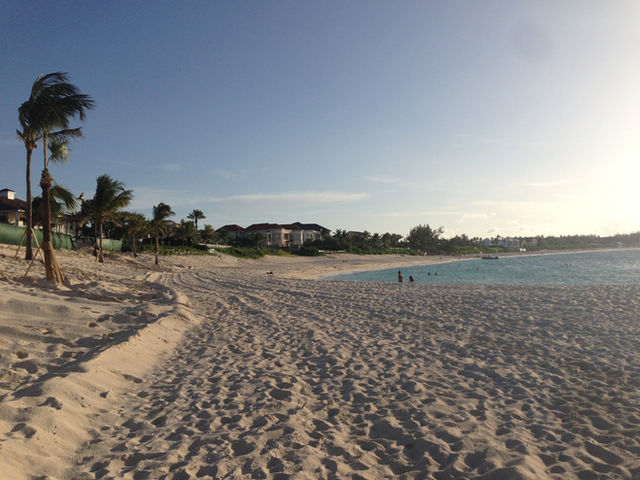
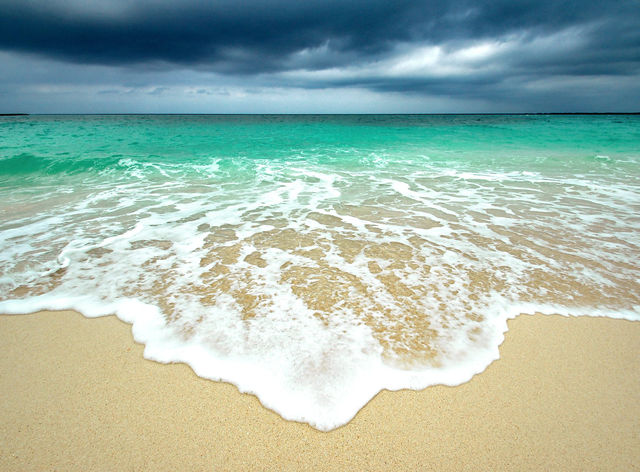
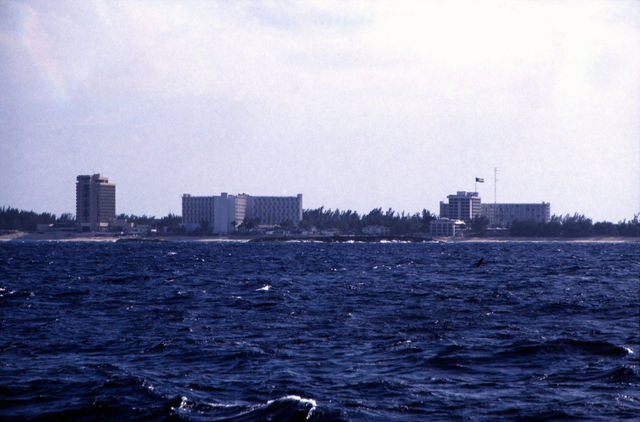
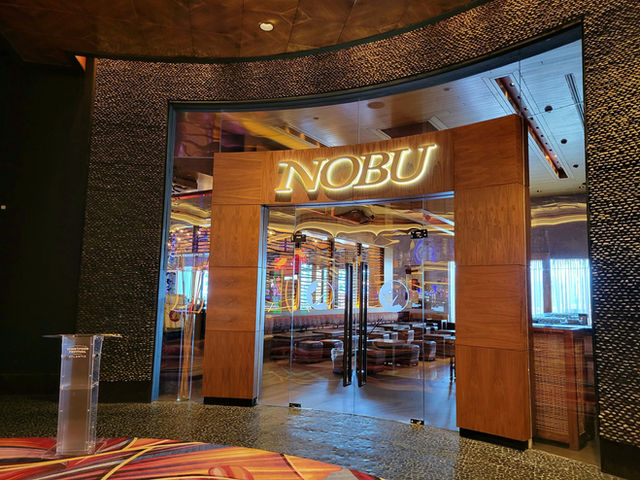
Live map of hotels and villas around Nassau & Paradise Island — powered by Stay22. Pan, zoom and compare live prices to pick your base.
Pan, zoom and compare live prices — every stay in one map.
New Providence is compact — roughly 34km east to west — and getting around is mostly a matter of taxis, hotel shuttles and the occasional hire car. Taxis are the default: fares are set by government zone rather than metered, so confirm the price before you get in, and expect surcharges for extra passengers and luggage. There is no train and no ride-hailing app culture to rely on, though hotels can always call a cab. Downtown Nassau, the forts, the Straw Market and Junkanoo Beach are all walkable from the cruise wharf. Paradise Island is reached by two toll bridges from town (walkable at a push, but most people taxi). Hire cars are available and drive on the left, British-style; they make sense if you are staying in the quieter west or want to explore at your own pace, but parking downtown is tight and the resort zones make cars largely unnecessary. Water taxis run between downtown and Paradise Island. For the beaches and the Fish Fry, a short taxi hop is usually the simplest option.
Public transport on New Providence means the jitneys — privately run minibuses that ply fixed routes across the island, mainly along the main roads through downtown, out to Cable Beach and the suburbs. Fares are cheap (roughly a couple of Bahamian/US dollars a ride, paid to the driver in cash as you get off), which makes them by far the most economical way to move around if you are not in a hurry. The catch is that they run to informal schedules, stop frequently, get crowded, and largely wind down in the evening; routes are geared to residents rather than tourists, so they serve Cable Beach reasonably but not Paradise Island's resorts directly. There is no rail and no formal metro. Most visitors use jitneys for the odd daytime hop (into town or along the Cable Beach strip) and fall back on taxis or water taxis for the airport, Paradise Island and anything after dark.
The single most useful piece of planning is to check the cruise schedule: on days when four, five or six ships are in, downtown and the Straw Market are packed from mid-morning until late afternoon, so do your fort-and-Bay-Street walking early, then decamp to a beach — or flip it and enjoy the town in the calm of early evening once the ships have sailed. You do not have to stay at Atlantis to see it: day passes to Aquaventure and the marine habitats are sold in limited numbers, and the free lower-level 'Dig' aquarium walkway and the marina shops can be strolled without a ticket. For beaches, Cabbage Beach on Paradise Island is superb but its western end fills with day-trippers — walk east for more space. Junkanoo Beach is the handiest swim from the cruise port. Skip the pricey hotel restaurants for at least one meal at the Arawak Cay Fish Fry, and note that John Watling's Distillery offers free tours and tastings. Blue Lagoon Island makes an easy half-day boat escape. If quiet and pink sand are what you are after, use Nassau as a launch pad and take the fast ferry or a short flight to the Exumas or Harbour Island.
The landmarks, museums, viewpoints and shores worth your time on Nassau & Paradise Island — filter by what you're into. Tap a card to fly the map to it.
Landmarks © Oscar Flowers / Wikimedia Commons (CC BY-SA 3.0) A 65-step passage carved by hand out of solid limestone in the late 18th century, climbing from downtown Nassau to Fort Fincastle.
Best for History
No places match those filters — turn a chip back on.
Nassau & Paradise Island · Around the island · 1 island · 1 hotels nearby · 3 attractions
Skip-the-line tickets and small-group tours in Nassau & Paradise Island — compare across our partners.
 © Viator
 Nassau Paradise Island
from £57
View & book →Day-by-day itineraries that take in Nassau & Paradise Island — routes, timings and what to book.
 7 Nights
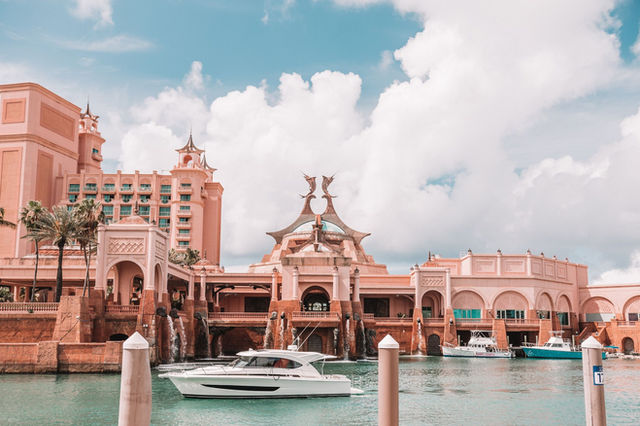
 A seven-night family week built around two easy-to-reach islands — four nights on Nassau and Paradise Island for Atlantis, the forts and the Fish Fry, then three on Grand Bahama for national-park caves, Gold Rock Beach and a dolphin day — with a short flight between and an open-jaw home leg from Freeport.
Price on enquiry
View trip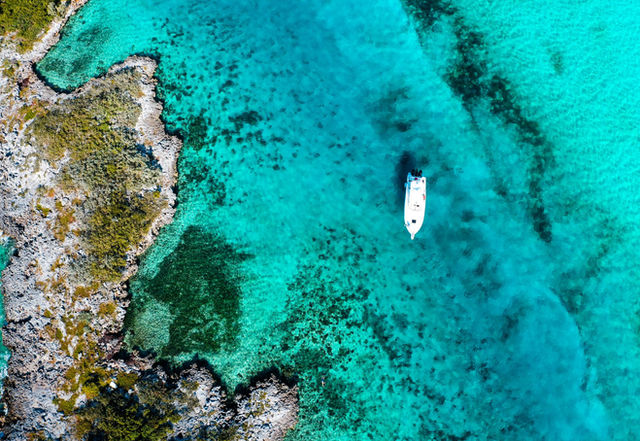 6 Nights
 The simplest first-timer's Bahamas — three nights on Nassau and Paradise Island for the forts, Atlantis and the Fish Fry, then three in the Exumas for the swimming pigs, Thunderball Grotto and the country's most jaw-dropping turquoise — two islands, one short flight, and no logistics to speak of.
Price on enquiry
View trip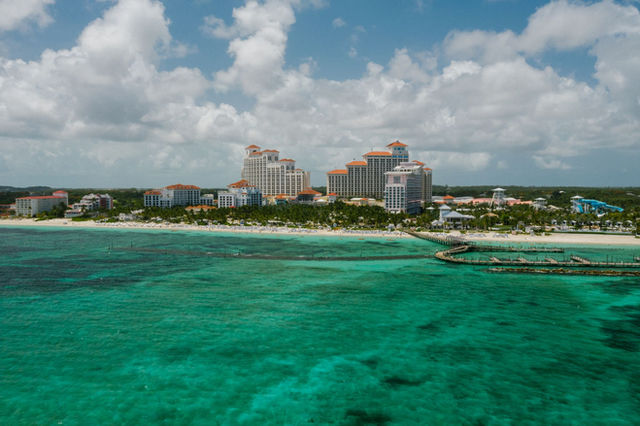 12 Nights
 A 12-night, five-island run down the spine of the Bahamas — Nassau, Eleuthera and Harbour Island's pink sand, the Exumas' swimming pigs, monastic Cat Island and Long Island's Dean's Blue Hole — linked by short inter-island flights and one fast ferry, never by road between islands.
Price on enquiry
View trip 8 Nights
 An 8-night honeymoon subset of the classic island-hopping route — Paradise Island's polished resorts, Harbour Island's pink sand, and the private-feeling cays of the Exumas — linked by a fast ferry and short flights, never by road between islands.
Price on enquiry
View tripDecember – April (dry season)
Nassau has a warm, subtropical climate with two clear seasons. The dry, cooler season runs roughly December to April, with daytime temperatures around 24–27°C, lower humidity, plenty of sun and comfortable evenings — this is the peak period, when the town and resorts are busiest and prices highest; February is often cited as the single best month. The wetter, hotter season runs May to October, with temperatures pushing to 30–32°C, higher humidity and frequent short afternoon downpours. Crucially, this overlaps with the Atlantic hurricane season, which officially spans June to November and peaks from August through October; direct hits on Nassau are relatively infrequent but tropical storms can bring heavy rain and disruption, so travel insurance and some flexibility are sensible if you go then. The shoulder weeks of late April–May and November can offer a good balance of decent weather, thinner crowds and better rates. The sea is warm and swimmable year-round.
Nassau is a developed capital and most visits are trouble-free, but it has more everyday crime than the sleepy Out Islands, and it pays to use city sense. Petty theft and opportunistic scams target tourists around the cruise wharf, Bay Street and the Straw Market — keep valuables secure and be firm but polite with persistent vendors and unofficial 'guides'. Violent crime is concentrated in specific residential districts away from the tourist zones (the 'Over-the-Hill' neighbourhoods south of downtown); avoid unfamiliar areas after dark and use hotel-called or licensed taxis at night rather than walking. Agree taxi fares in advance to avoid overcharging. On the water, book jet-ski and boat operators through your hotel or a reputable company; there have been recurring concerns about unlicensed jet-ski rentals and related incidents, so choose carefully. Practical hazards are the usual tropical ones: strong sun and easy sunburn, occasional rip currents off the ocean-facing beaches, and heavy rain during the wet season. Remember they drive on the left. Check your government's current travel advice before booking, particularly during hurricane season.
The Bahamas is an independent Commonwealth country with a strong British colonial legacy — English is the official language, they drive on the left, and cricket and Anglican churches sit alongside a deeply Bahamian culture. Christianity is central to everyday life; Sundays are quieter, church attendance is high, and modest, respectful behaviour is appreciated away from the beach and pool. Casual resort dress is fine at the coast, but cover up when heading into town, shops or churches, and beachwear is not for Bay Street. Bahamians are generally warm and courteous, and a friendly greeting before launching into a question goes a long way. The cultural high point of the year is Junkanoo, the rush-out street parade of elaborate crepe-paper costumes, cowbells and goombay drums that fills Bay Street in the early hours of Boxing Day (26 December) and New Year's Day — well worth planning around if you visit at Christmas. Tipping is customary and often already added as a service charge on hotel and restaurant bills, so check before adding more.
£170/day mid-range (budget £80, luxury £450+; Atlantis and Baha Mar accommodation runs much higher)
911 or 919 (police, fire, ambulance); BASRA marine rescue on VHF Ch 16 / +1 242-322-3877
Lynden Pindling International Airport (NAS), about 16km west of downtown Nassau, is the main gateway to the Bahamas and one of the busiest airports in the Caribbean. From the UK, British Airways operates the direct Heathrow–Nassau service; otherwise most British travellers connect through a US hub (Miami, New York, Charlotte or Atlanta) or occasionally via another Caribbean island. From the US the choice is wide: American Airlines flies year-round from Miami and Charlotte, Delta from Atlanta and New York-JFK, and JetBlue from Fort Lauderdale, JFK, Boston and Orlando, with the national carrier Bahamasair and others adding more. Taxis from the airport work to government-set zone fares (agree the fare before setting off); pre-booked transfers are widely available. The other major arrival point is the sea: Nassau Cruise Port at Prince George Wharf, in the heart of downtown, is one of the world's busiest cruise ports, able to berth up to six large ships at once — which is why the town can go from calm to crowded within an hour. For onward travel, fast ferries (Bahamas Ferries) and inter-island flights connect Nassau to the Out Islands such as the Exumas, Eleuthera, Harbour Island and the Abacos.
Flights, airport transfers and car hire to NAS — search and compare without leaving the page.
Parking, holiday extras, and more — coming soon.
We're lining up parking, holiday extras and activities you'll be able to add to any trip from here.

