Catania is built out of Etna and repeatedly rebuilt after it. The 1669 lava flow reached the city walls and the 1693 earthquake flattened everything, so what stands now is a single coherent late-baroque city — laid out on a grid, in black lava stone and white limestone, by one architect's plan. It is Sicily's second city, a university town, and the least prettified place on the island: loud, sooty, cheap and very much alive. Etna is 30 km away and visible from most streets.
For the fish market, which is the best street theatre in Italy; for the volcano, which you can be standing on 90 minutes after breakfast; and because Catania is the natural base for eastern Sicily — Taormina, Syracuse, Noto and the Val di Noto are all inside an hour and a half.
Things to do
- La Pescheria — The fish market behind Piazza Duomo, under the arches, from about 07:00 to 13:00. Swordfish heads, shouting, and a bar in the middle of it.
- Mount Etna — Bus or drive to Rifugio Sapienza at 1,900 m, cable car and 4x4 to 2,900 m, and a guided walk on the craters if the day allows.
- Piazza Duomo and the elephant — A lava-stone elephant carrying an Egyptian obelisk — the city's symbol, and its baroque set piece.
- Monastero dei Benedettini — One of the largest monastic complexes in Europe, now the university's humanities faculty, built over and into the 1669 lava flow.
- The Circumetnea railway — A narrow-gauge line right round the volcano through Randazzo and the lava villages — about five hours for the full loop.
- Roman theatre and Odeon — A second-century theatre embedded in the middle of a residential block, with houses built into the seating.
- An Etna wine estate — Vineyards on black terraces at 600–1,000 m, some with pre-phylloxera vines. The north-east flank around Passopisciaro is the heartland.
Where to base yourself
The Catania neighbourhoods worth knowing before you book.
- Coming soon Centro Storico Piazza Duomo, Via Etnea and the market. Baroque, black, busy and where you should stay.
- Coming soon Via Etnea & Villa Bellini The long shopping street running north with Etna framed at the end of it, and the city's best park halfway up.
- Coming soon San Berillo Behind the centre: half-derelict, rapidly changing, and the location of the best small bars and live music.
- Coming soon Ognina & Picanello North-east on the coast — a small harbour in a lava cove, residential and with the good seafood restaurants.
- Coming soon Riviera dei Ciclopi Aci Castello and Aci Trezza, 10 km north: a Norman castle on a lava crag and the basalt stacks Homer's Cyclops threw.
- Coming soon Etna's south flank Nicolosi and Zafferana Etnea, 20–30 minutes up — cooler, with agriturismi in the vineyards and the Rifugio Sapienza road above.
3 days in Catania
- Day 1 Baroque and market Catania
Pescheria at 08:00, then Piazza Duomo and the cathedral. Granita and brioche mid-morning. Via dei Crociferi and the Monastero dei Benedettini before lunch. Pasta alla Norma. Afternoon at the Roman theatre and Castello Ursino. Aperitivo in San Berillo.
- Day 2 Etna
Early bus or drive to Rifugio Sapienza; cable car and guided 4x4 up, then a crater walk. Lunch at an agriturismo on the flank. Afternoon at an Etna wine estate on the way down, or the Alcantara gorges.
- Day 3 The Val di Noto
South by car: Syracuse and Ortigia in the morning, Noto's baroque main street in the afternoon, and back along the coast. Or Taormina north for the Greek theatre.
Day trips
Worth the train or the drive from Catania.
-
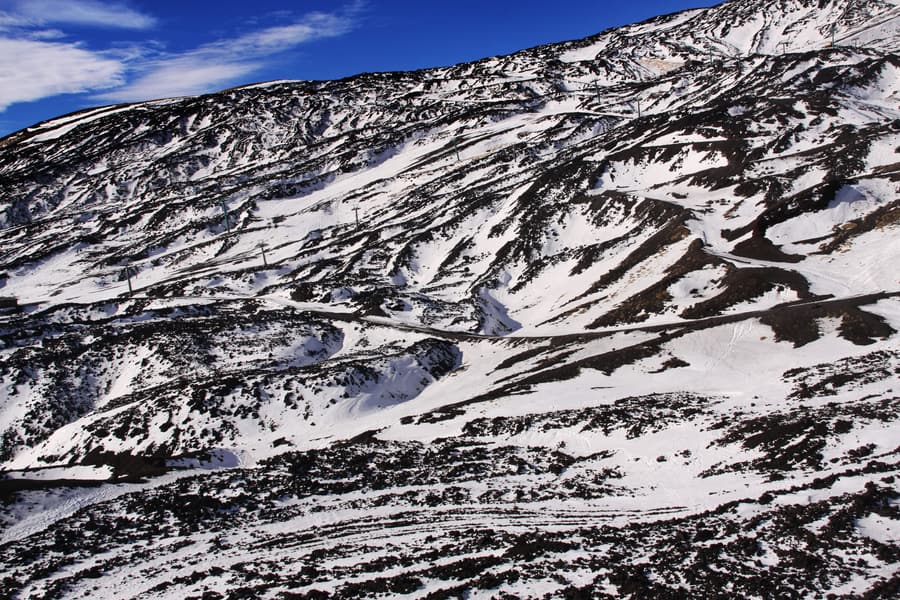 Mount Etna Europe's most active volcano, 90 minutes from the centre to 2,900 m.
 -
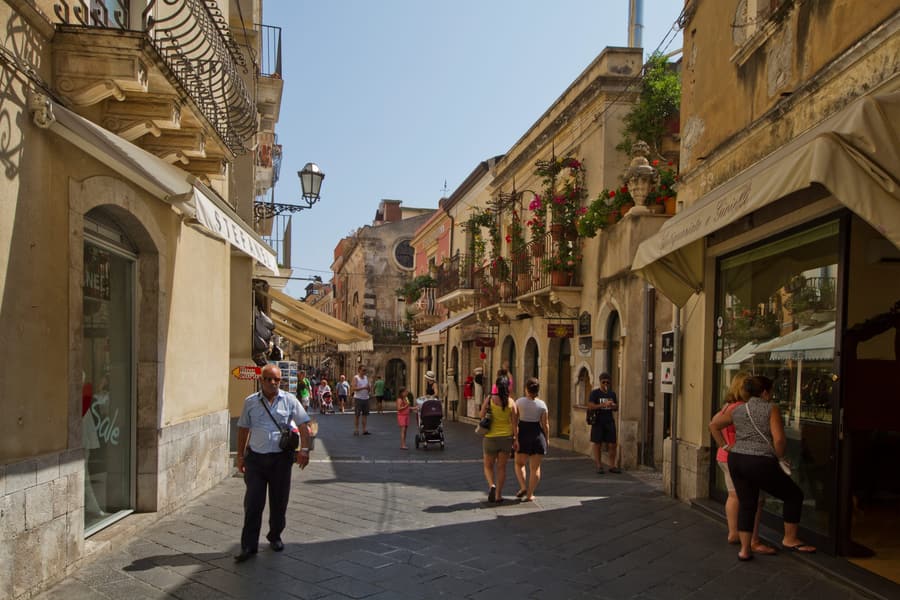 Taormina 45 minutes north by train, for the Greek theatre with Etna behind it.
 -
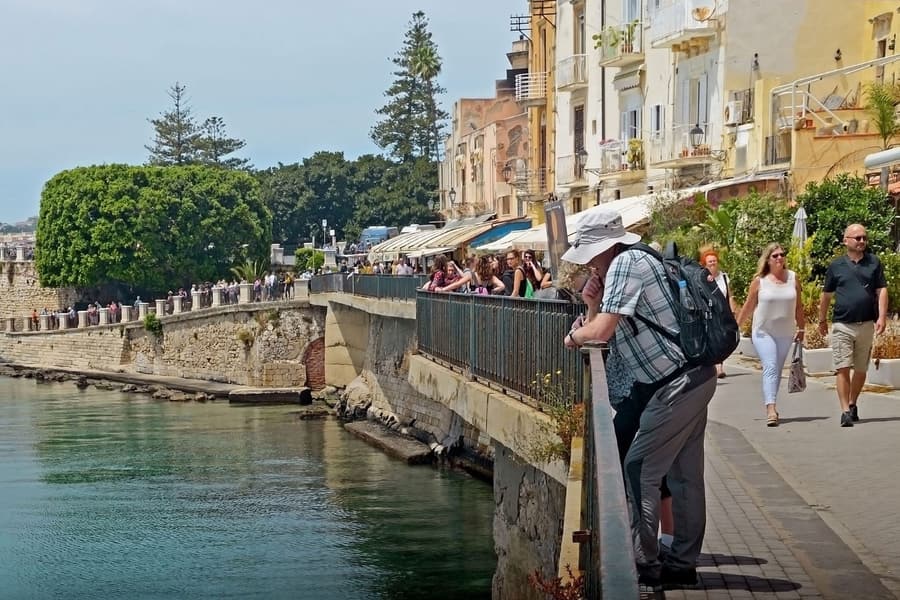 Syracuse 1h20 south — Ortigia and the largest Greek theatre in Sicily.
 -
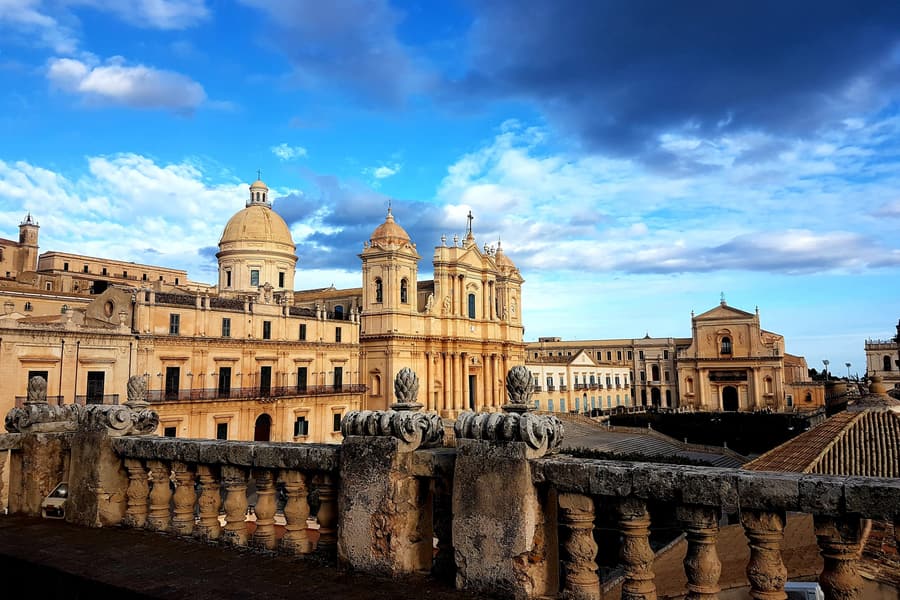 Noto The set piece of Sicilian late baroque, about 1h30 south.
 -
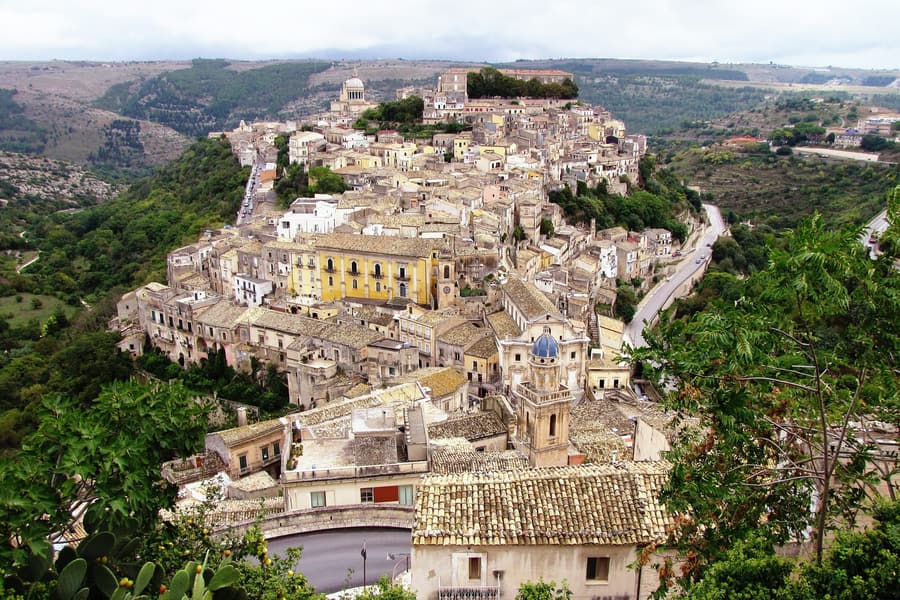 Ragusa Two towns on two hills, and Ibla is the beautiful one — under two hours.
 -
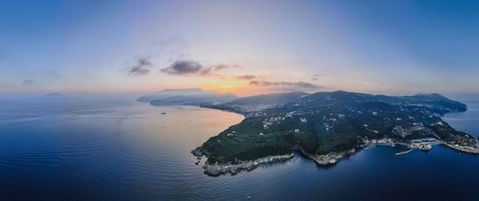 Aeolian Islands Hydrofoils from Milazzo, two hours north — better as an overnight.
Practical
- Best time to go
- April–June and September–October. July and August are 35°C+ with high humidity. Winter is mild and Etna is under snow, which is when you can ski in the morning and sit on a beach in the afternoon — a genuine local boast. The feast of Sant'Agata, 3–5 February, is one of the largest religious festivals in the world and takes over the city.
- Getting there
- Catania Fontanarossa (CTA) is Sicily's busiest airport, 20 minutes from the centre by the Alibus. Trains along the coast to Taormina (45 min), Syracuse (1h20) and Messina; ferries and hydrofoils to the Aeolians run from Milazzo, 2h north. A car is needed for the Val di Noto and Etna's less-served flanks.
- Getting around
- The centre is walkable and flat. One metro line runs from the station towards the west; the Circumetnea narrow-gauge railway loops around the base of the volcano through the lava towns, which is a slow, cheap and wonderful half-day. AST buses run to Etna's Rifugio Sapienza from the station twice a day.
- Eat & drink
- Catania's dishes are its own: pasta alla Norma (aubergine, tomato, ricotta salata, basil), named for Bellini's opera — he was born here. Then the market food: sea urchins, raw prawns, arancini (pointed, and masculine here, unlike Palermo's), cipollina and crispelle. Granita with a brioche for breakfast, in almond, mulberry or pistachio. Etna DOC wines — Nerello Mascalese reds and Carricante whites — are the most interesting in Sicily.
- Know before you go
- Etna is an active volcano and access above 2,500 m depends on the day's activity and a licensed guide — never plan around reaching the summit craters. Ash falls close the airport a few times a year; build slack into the return leg. The pescheria is a working market, wet and pungent, and finishes by early afternoon. Traffic and parking in the centre are genuinely awful.
More of Sicily
-
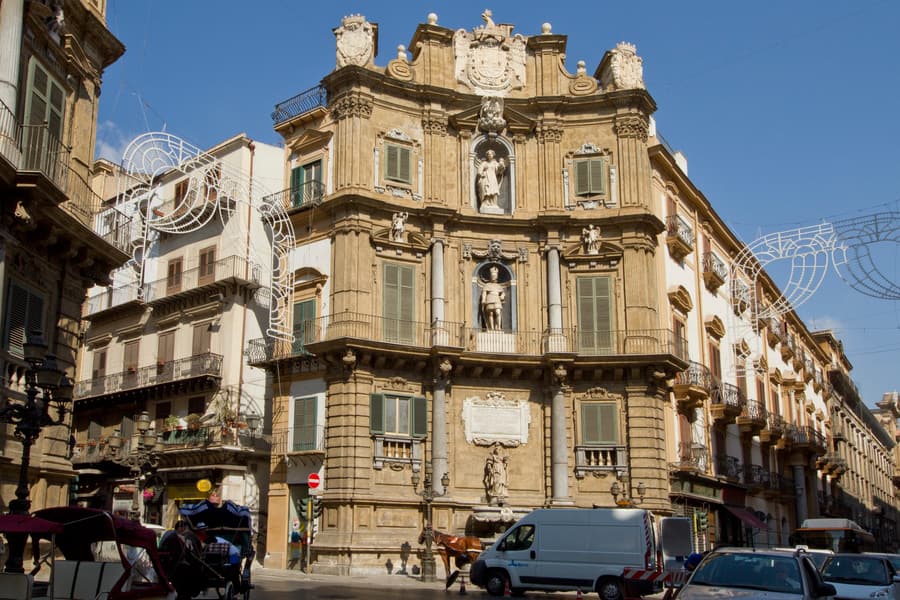 Palermo Arab-Norman palaces, street food and Sicily's rowdy capital
 - Syracuse Ortigia's island old town and the greatest Greek theatre in Sicily
- Noto The set-piece of Sicilian late baroque, rebuilt after the 1693 quake
- Ragusa Two towns on two hills — Ibla is the beautiful one
- Taormina A cliff-top Greek theatre looking straight at Etna
-
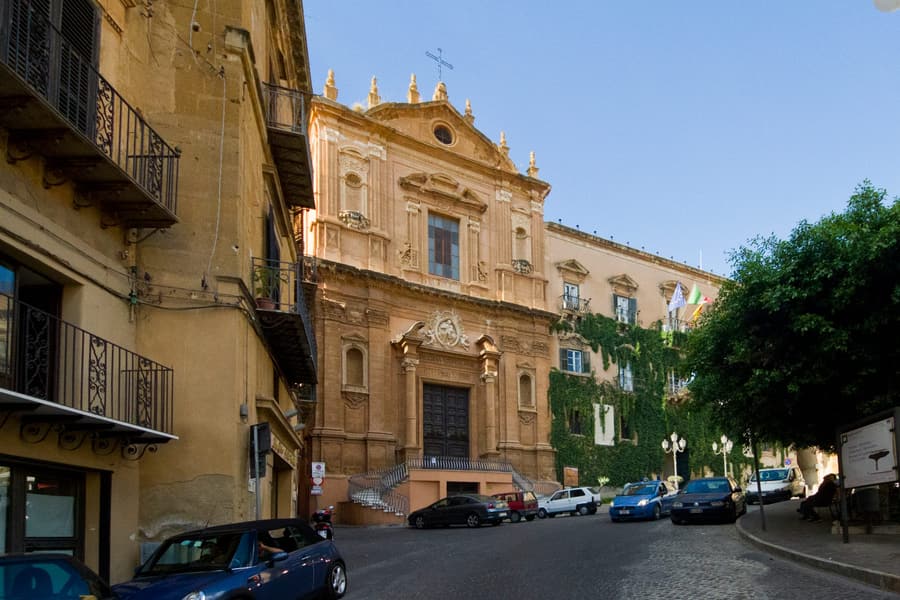 Agrigento The base for the Valley of the Temples — Italian Capital of Culture 2025