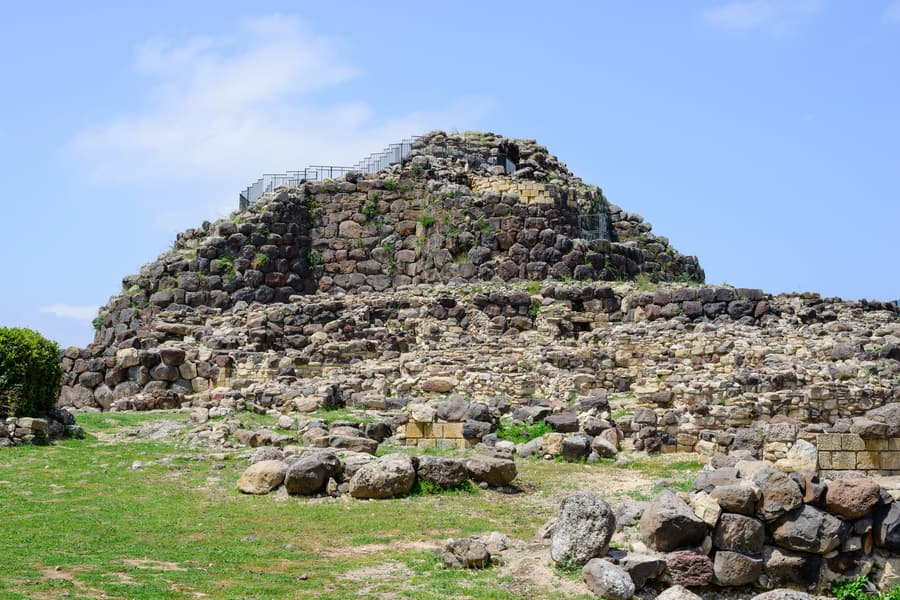
The largest island in the Mediterranean, and a region that has been Greek, Roman, Arab, Norman, Swabian, Spanish and Bourbon — all of it still legible. Agrigento's Valley of the Temples and Segesta and Selinunte are Greek; Palermo and Monreale are Arab-Norman; Noto, Ragusa and Modica are late-baroque, rebuilt after the 1693 earthquake; Taormina looks across at Etna, Europe's most active volcano. Offshore are the Aeolians, the Egadi, Pantelleria and Lampedusa — each effectively its own destination.
- Valley of the Temples, Agrigento
- Palermo and Monreale's mosaics
- Mount Etna
- Taormina and the Greek Theatre
- Val di Noto baroque — Noto, Ragusa, Modica
- Syracuse and Ortigia
- The Aeolian Islands
- Villa Romana del Casale
- Best time to go
- April–June and September–October are ideal. July–August is very hot (40°C+ inland) though the sea is at its warmest; Palermo and Catania are pleasant in winter.
- Getting there
- Palermo, Catania, Trapani and Comiso airports; ferries from Naples, Salerno, Civitavecchia and Genoa. A car is essential outside the big cities.
© OpenFreeMap · OSM · terrain Mapterhorn · boundaries © EuroGeographics (Eurostat GISCO)
Headline places
What italia.it leads with in Sicily.
-
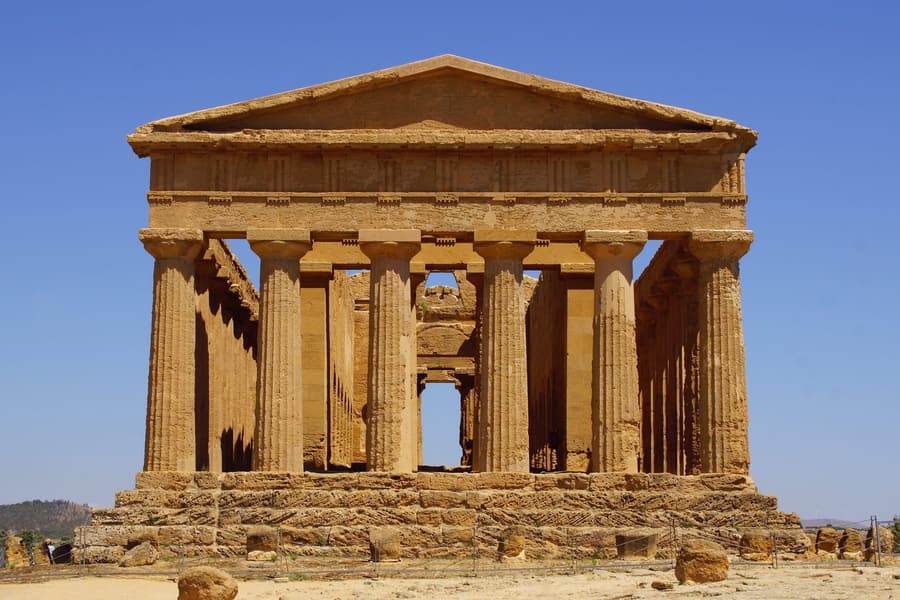 Valley of the Temples Eight Doric temples on a ridge above Agrigento, built from 510 BC
 -
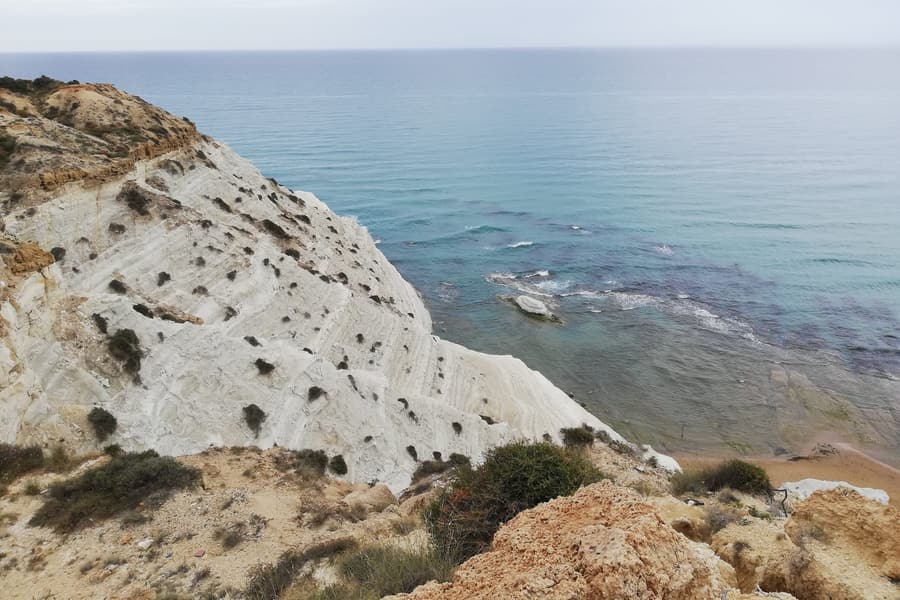 Scala dei Turchi A blinding white marl cliff stepping down into the sea
 -
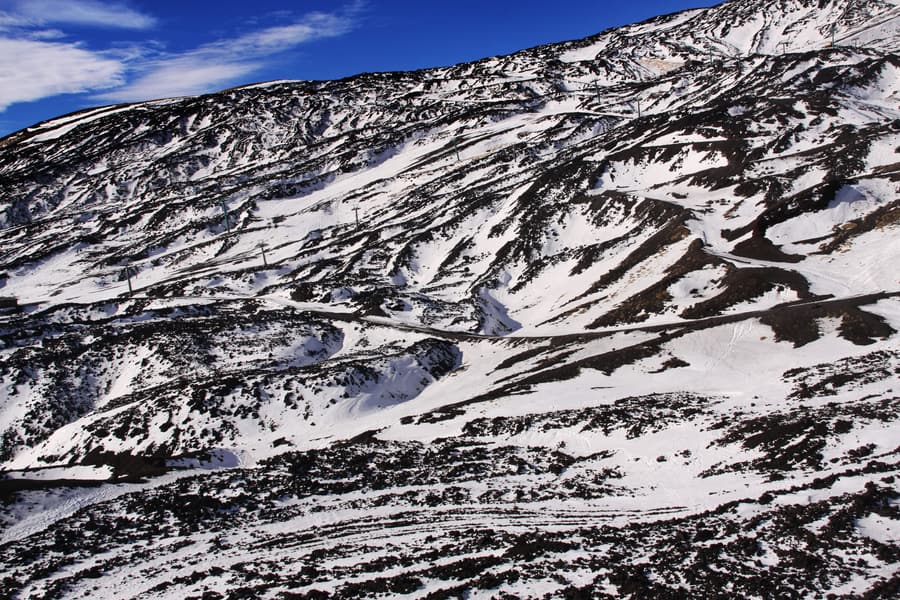 Mount Etna Europe's highest and most active volcano, at around 3,350 m and rising
 -
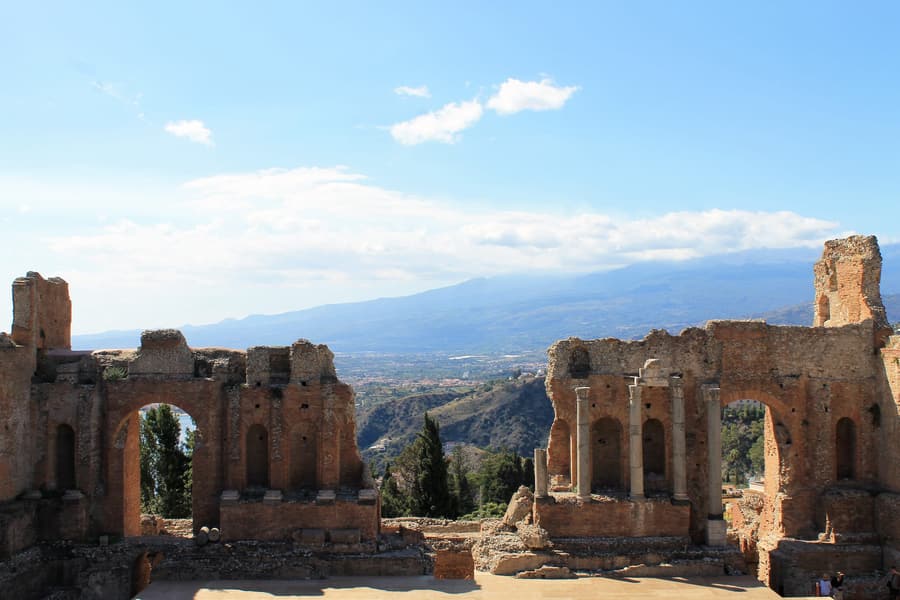 Taormina Greek Theatre A Hellenistic theatre framing Etna — still used for summer concerts
 -
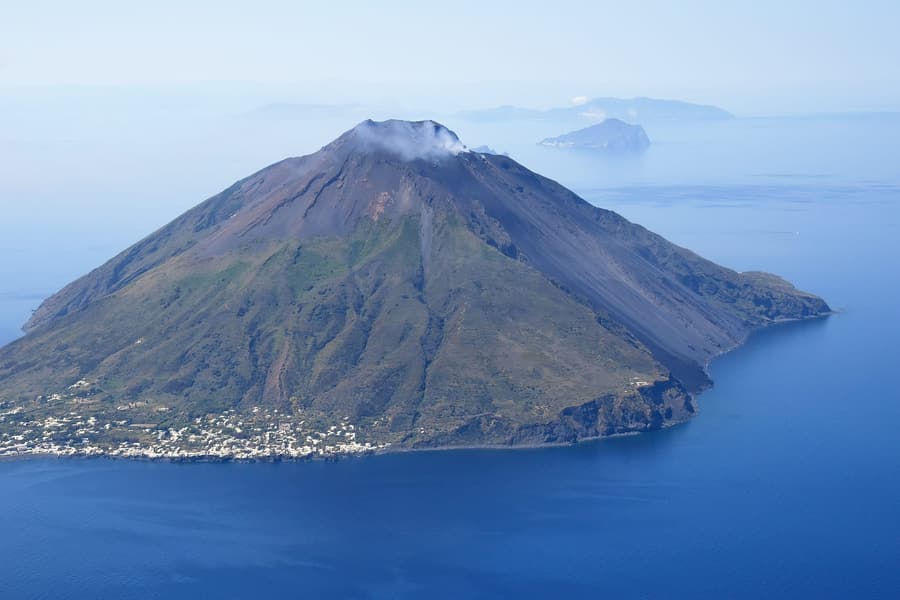 Stromboli An island volcano that has erupted every few minutes for 2,000 years
 -
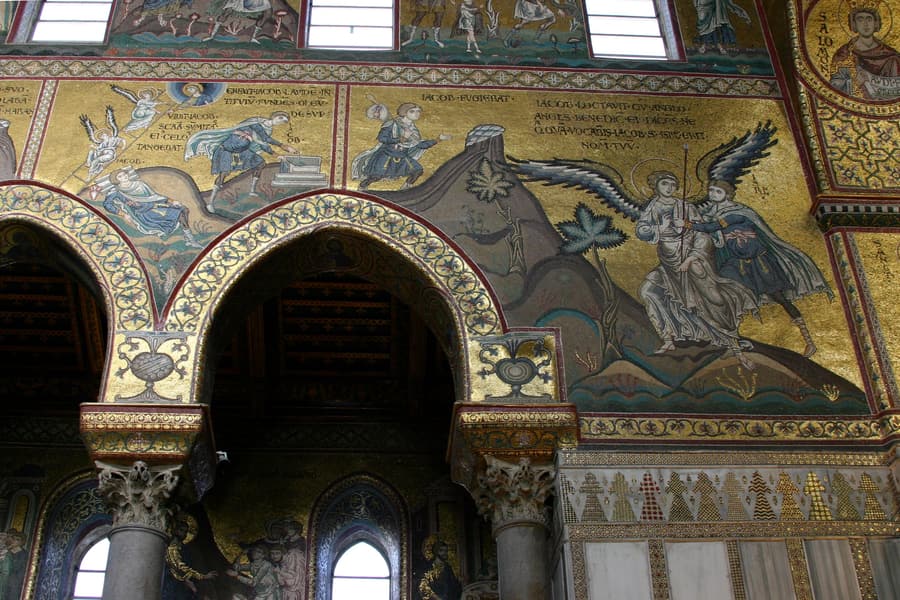 Monreale Cathedral 6,500 m² of Byzantine gold mosaic in a Norman cathedral above Palermo
 -
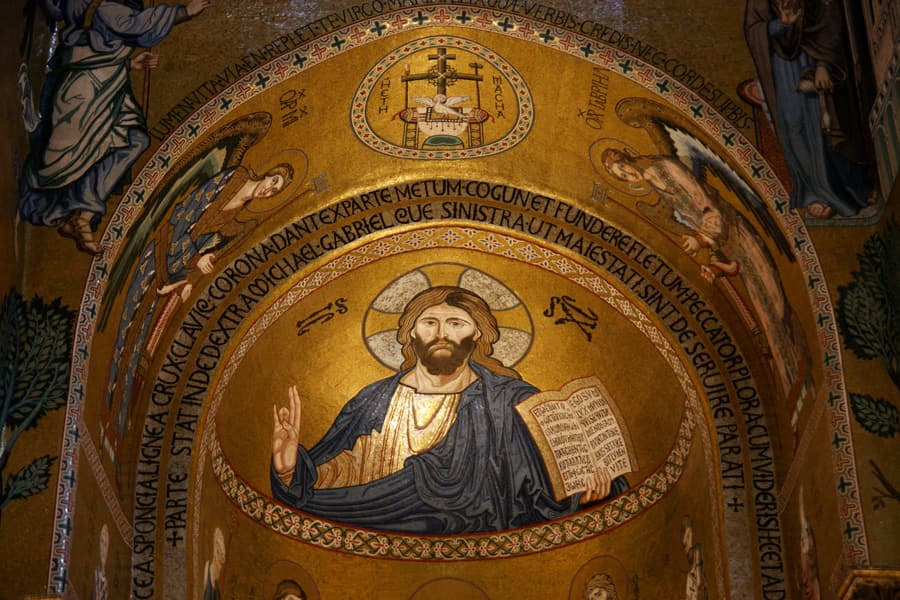 Cappella Palatina The Norman kings' chapel — Byzantine mosaics under an Arab wooden ceiling
 -
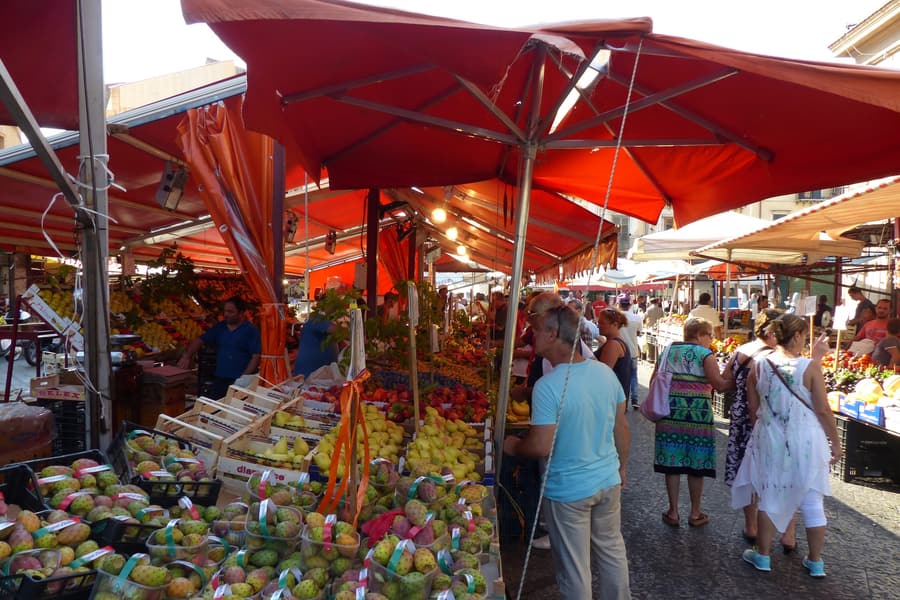 Ballarò Market Palermo's loudest street market, and the best place to eat standing up
 -
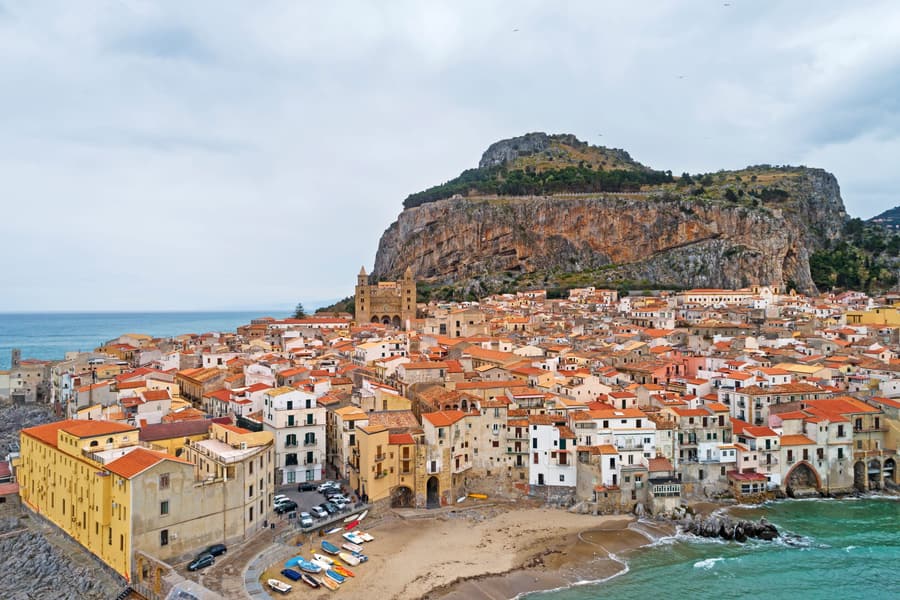 Cefalù A Norman cathedral, a crag and a beach — all in one small town
 -
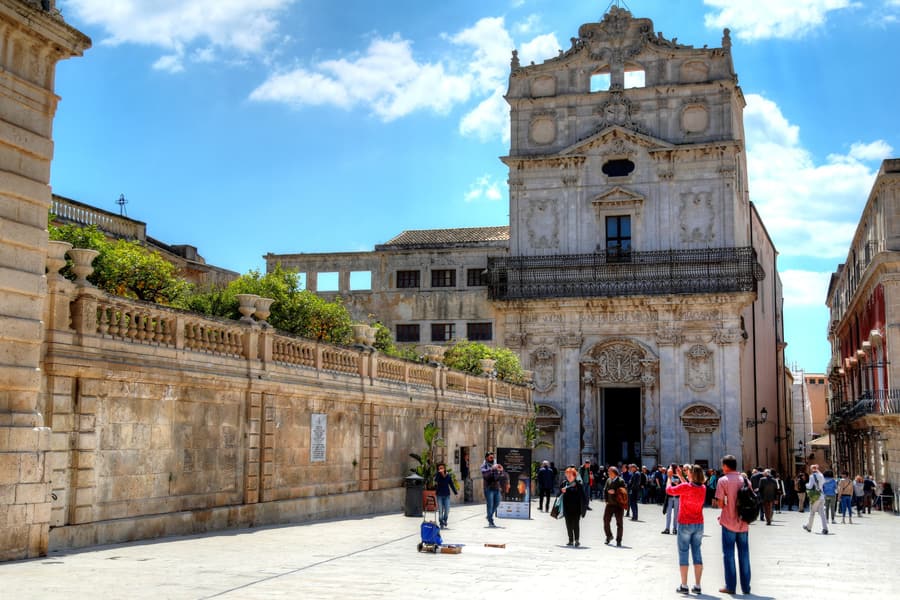 Ortigia & the Neapolis of Syracuse A baroque island old town, and the largest Greek theatre in Sicily behind it
 -
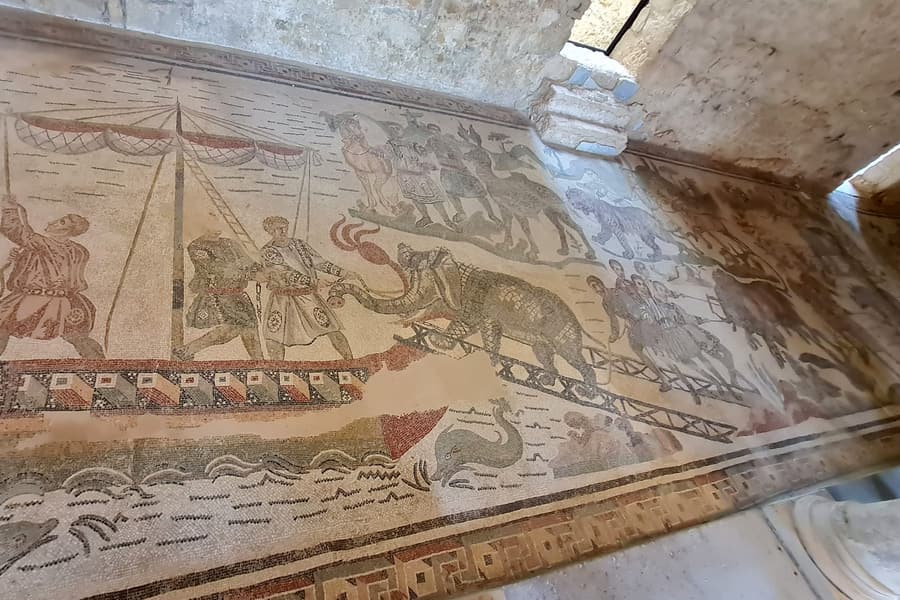 Villa Romana del Casale 3,500 m² of Roman floor mosaic, preserved by a landslide
 -
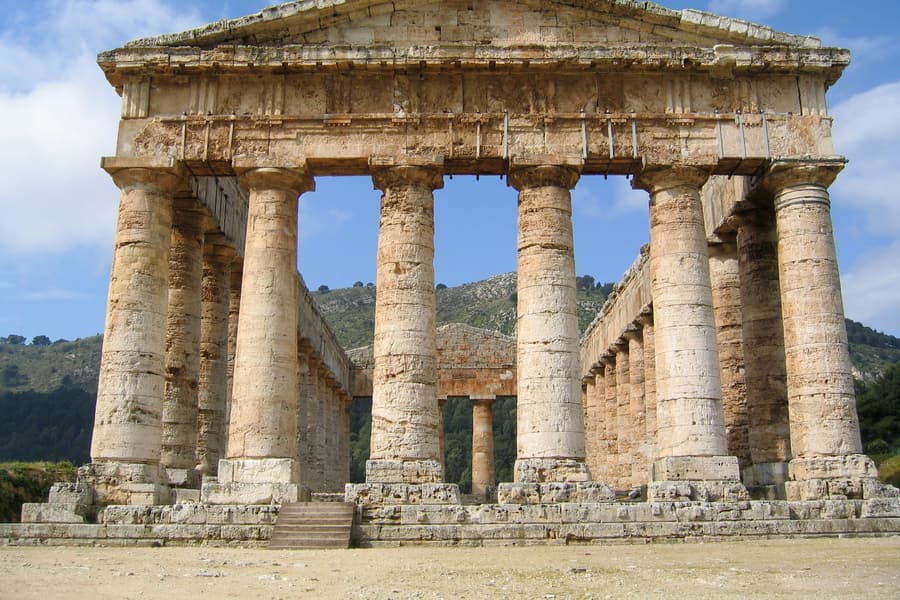 Segesta An unfinished Doric temple alone on a hillside, and a theatre above it
 -
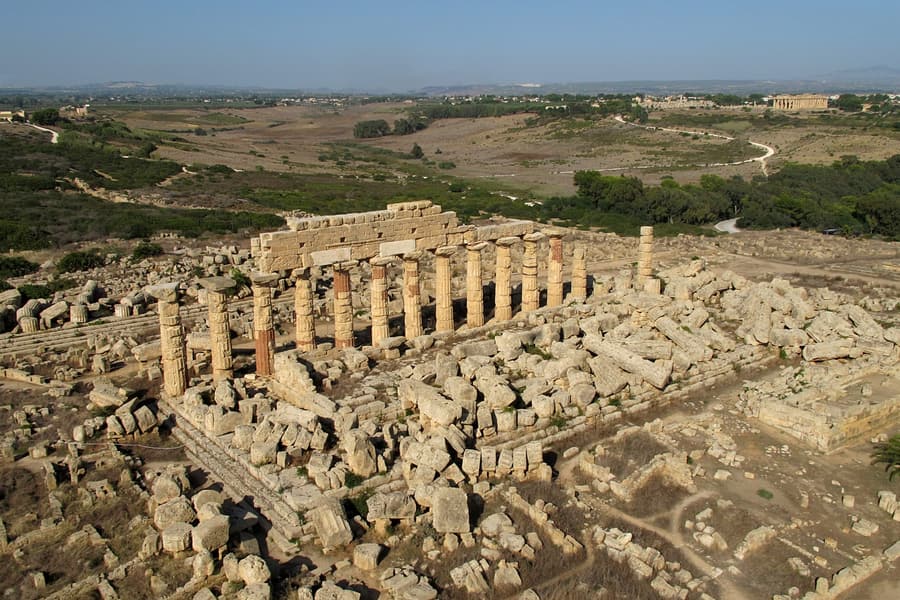 Selinunte The largest archaeological park in Europe, on an empty stretch of coast
 -
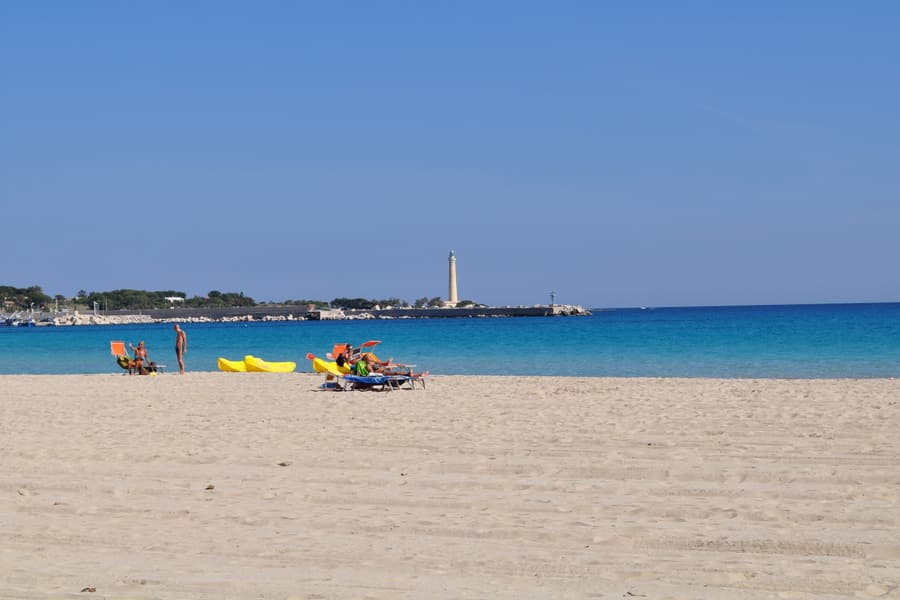 San Vito lo Capo A crescent of white sand under a limestone cape, and a couscous festival
 -
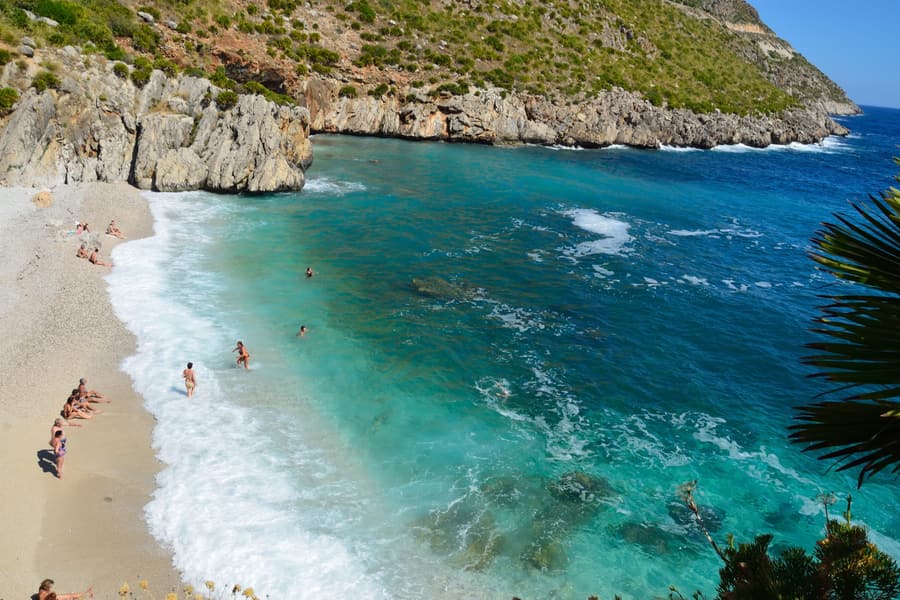 Riserva dello Zingaro Sicily's first nature reserve — seven kilometres of road-free coast path
Cities & bases
Where to sleep, and what each place is good for.
-
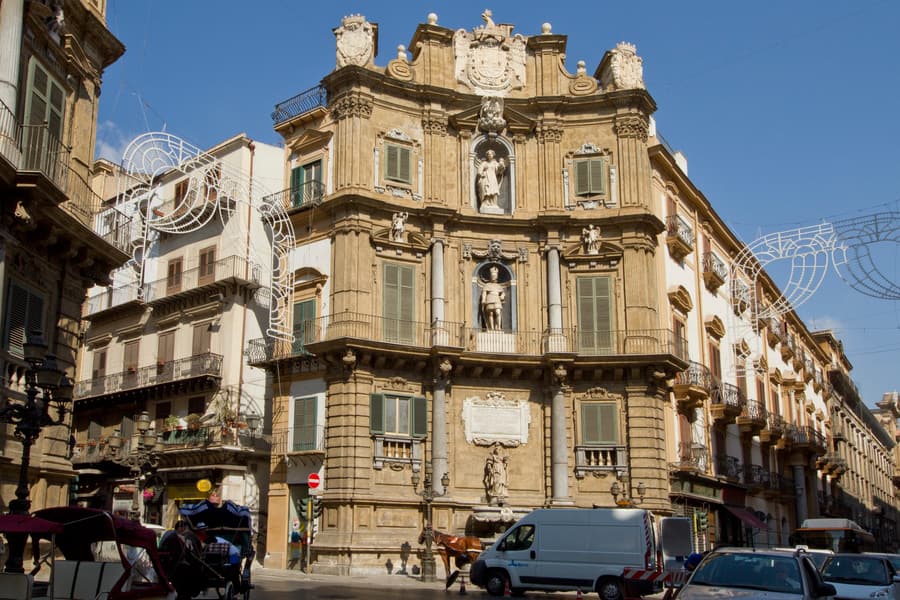 Palermo Arab-Norman palaces, street food and Sicily's rowdy capital
 -
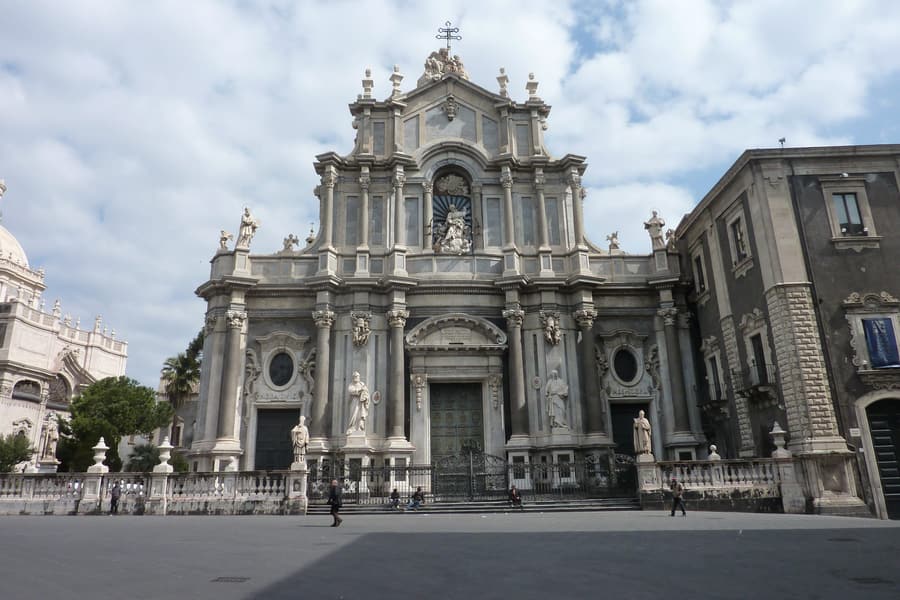 Catania Black lava baroque under Etna, and Sicily's best fish market
 -
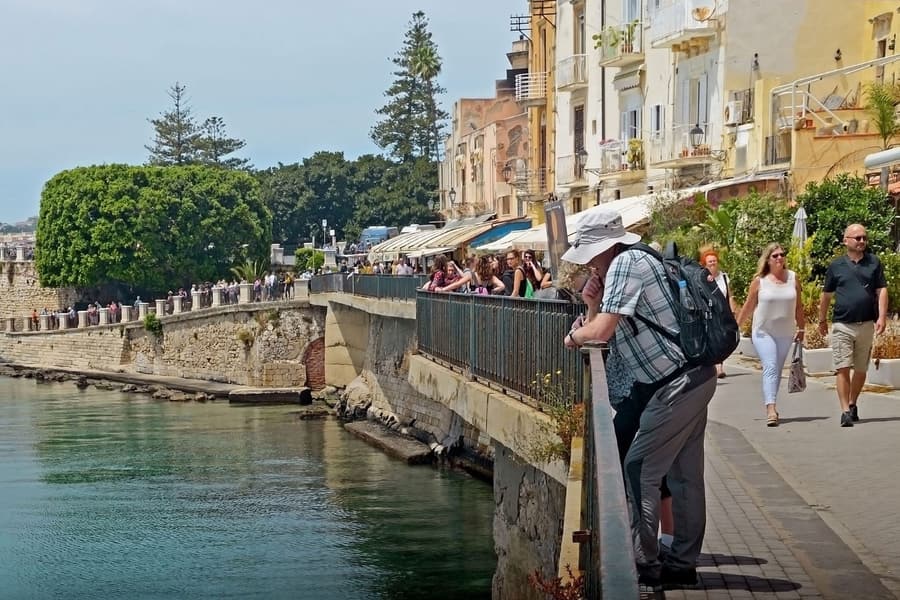 Syracuse Ortigia's island old town and the greatest Greek theatre in Sicily
 -
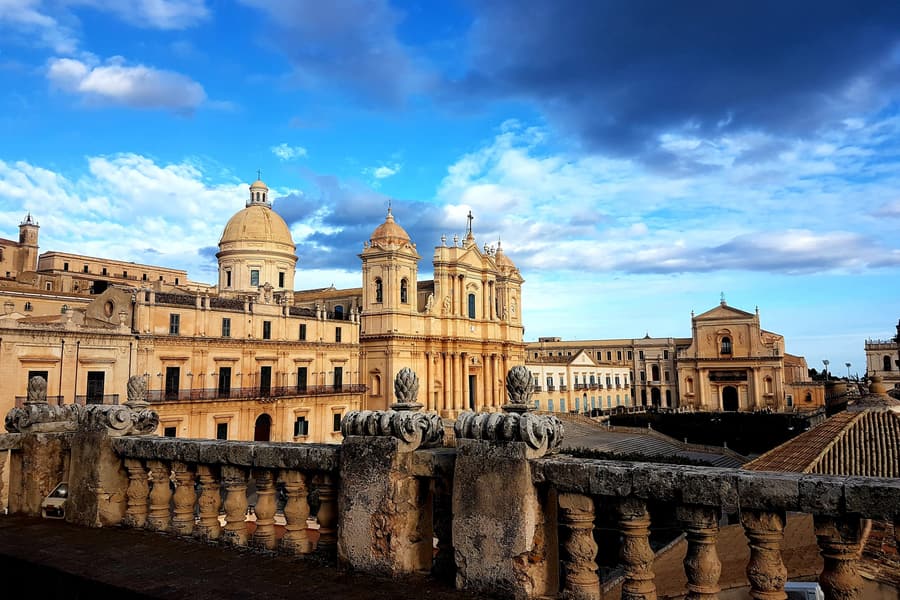 Noto The set-piece of Sicilian late baroque, rebuilt after the 1693 quake
 -
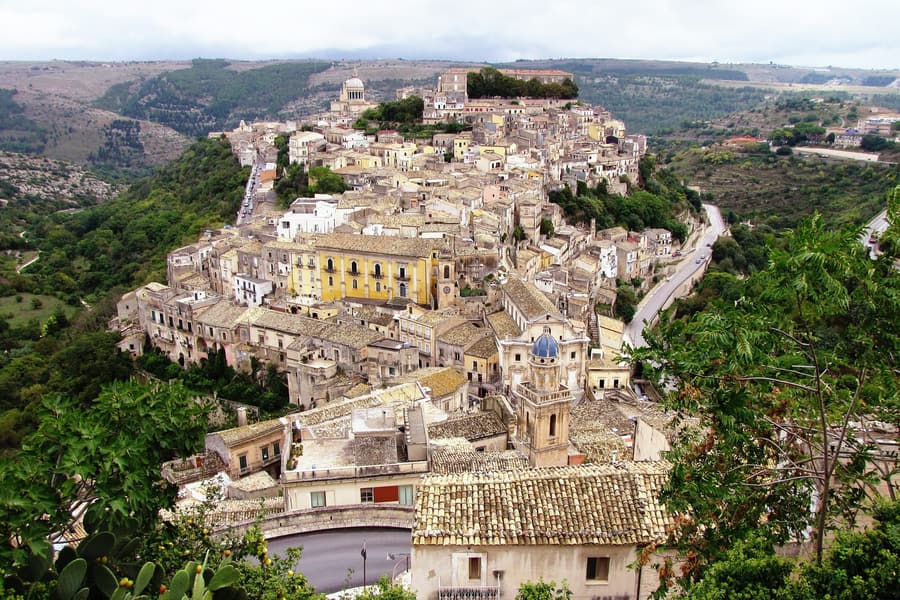 Ragusa Two towns on two hills — Ibla is the beautiful one
 -
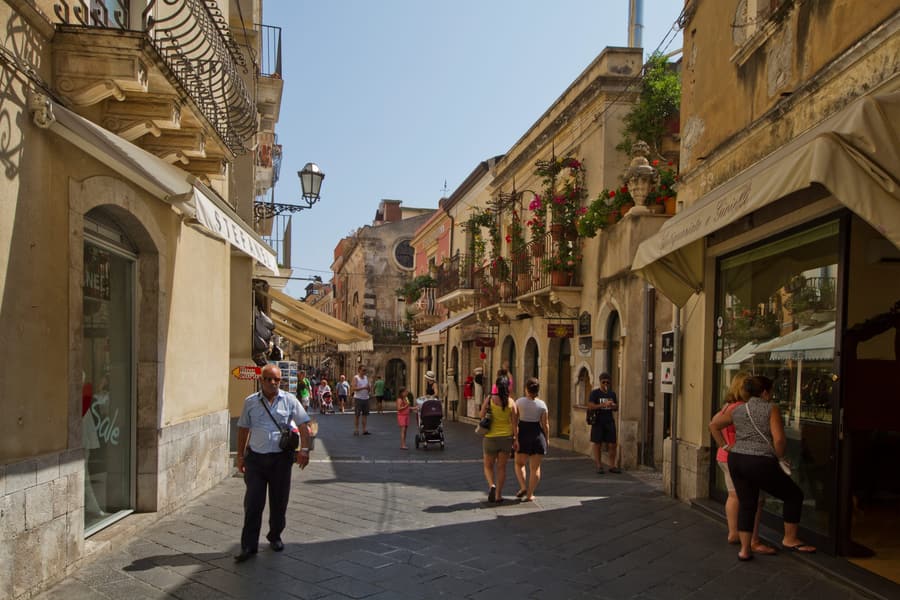 Taormina A cliff-top Greek theatre looking straight at Etna
 -
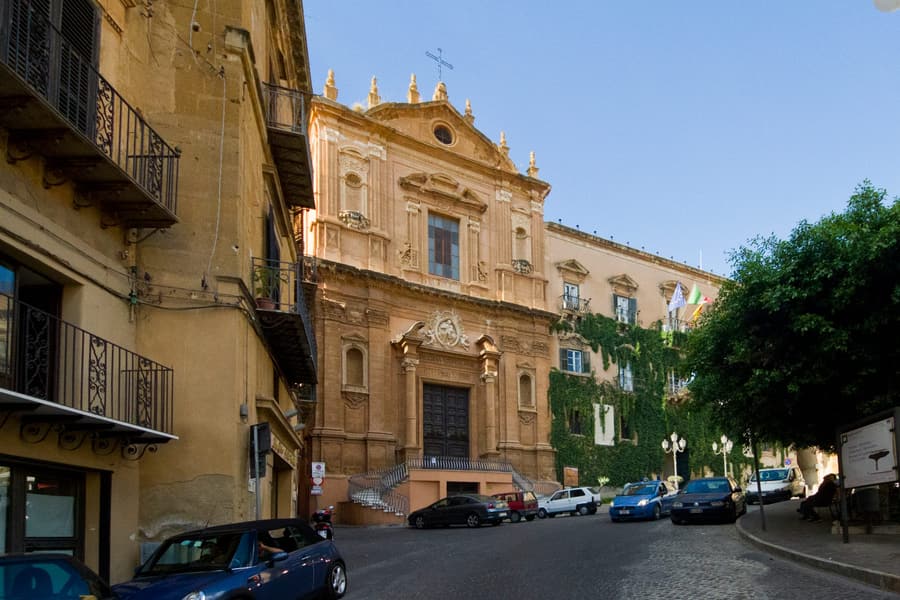 Agrigento The base for the Valley of the Temples — Italian Capital of Culture 2025
Islands
-
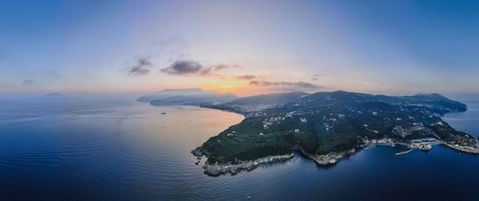 Aeolian Islands Seven volcanic islands off northern Sicily — one of them still erupting
 -
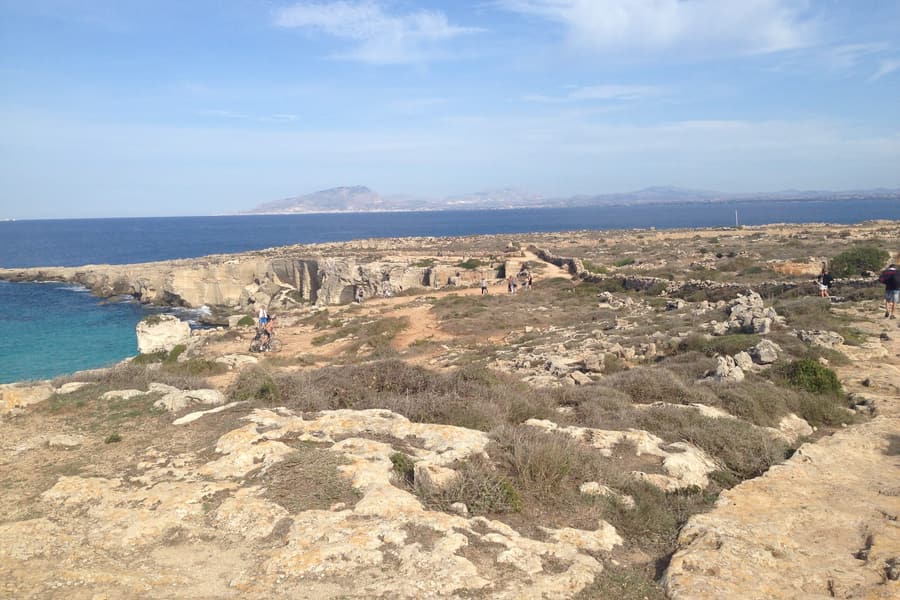 Favignana & the Egadi Islands Tuna-fishery islands off Trapani, with Europe's largest marine reserve
 -
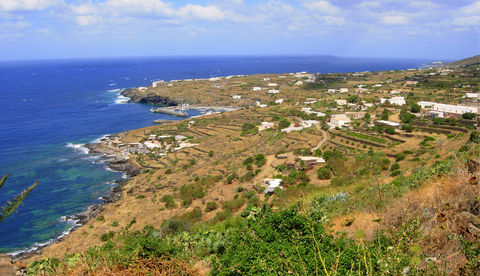 Pantelleria A black volcanic island closer to Africa than to Sicily, with no beaches and famous wine
 -
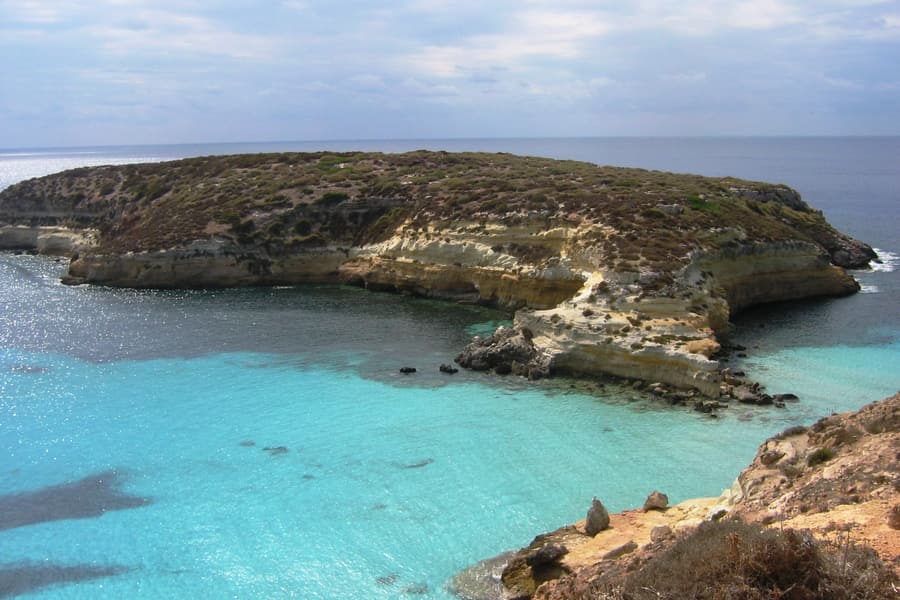 Lampedusa & the Pelagie Islands Italy's southernmost point — geologically African, with Rabbit Beach
 -
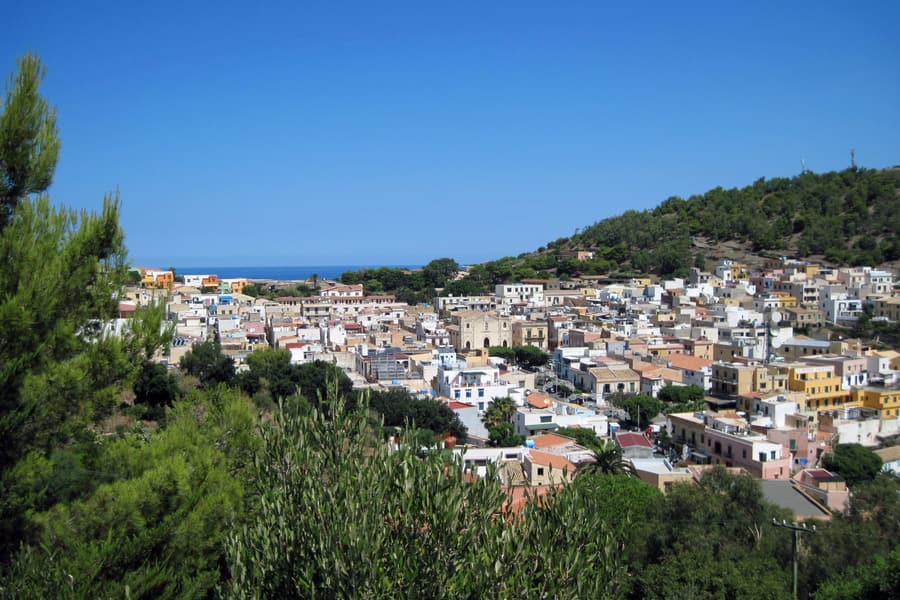 Ustica A small volcanic island north of Palermo, and Italy's first marine reserve
Our guides
Full destination guides we already publish in this region.
- Aeolian Islands A volcanic archipelago off Sicily where one island permanently erupts and UNESCO celebrates the geology that shaped our understanding of volcanoes.
- Pantelleria A wild volcanic island between Sicily and Tunisia where UNESCO-listed dammuso houses, thermal springs and Passito wine reward adventurous families.
-
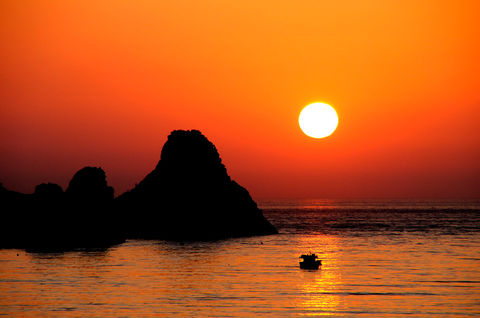 Sicily The Mediterranean's largest island — smouldering Mount Etna, Greek temples, baroque towns and Italy's most soulful food.
Sicily by experience
The themes this region delivers on.
-
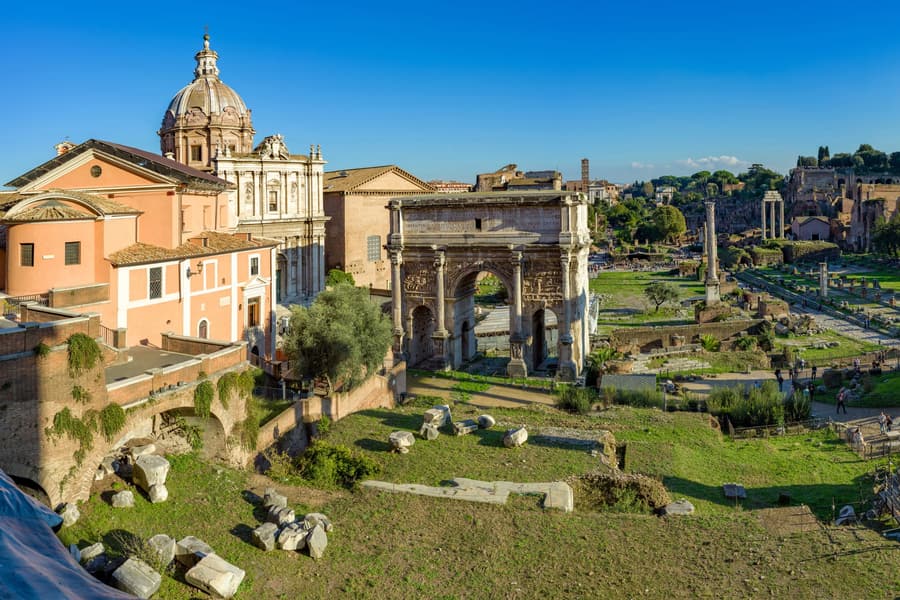 Art & culture More UNESCO World Heritage sites than any other country on earth
 -
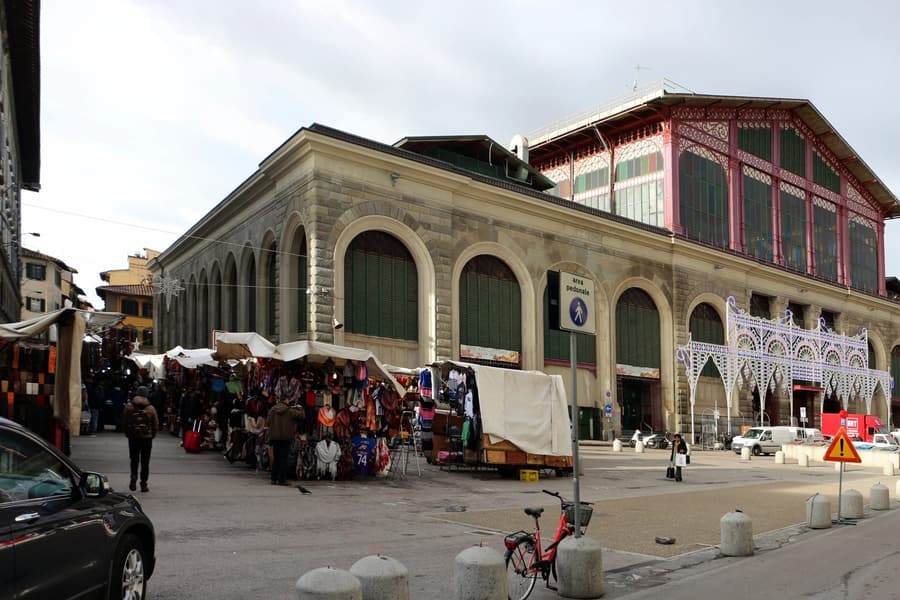 Food & wine Regional to the point of parochial — and all the better for it
 -
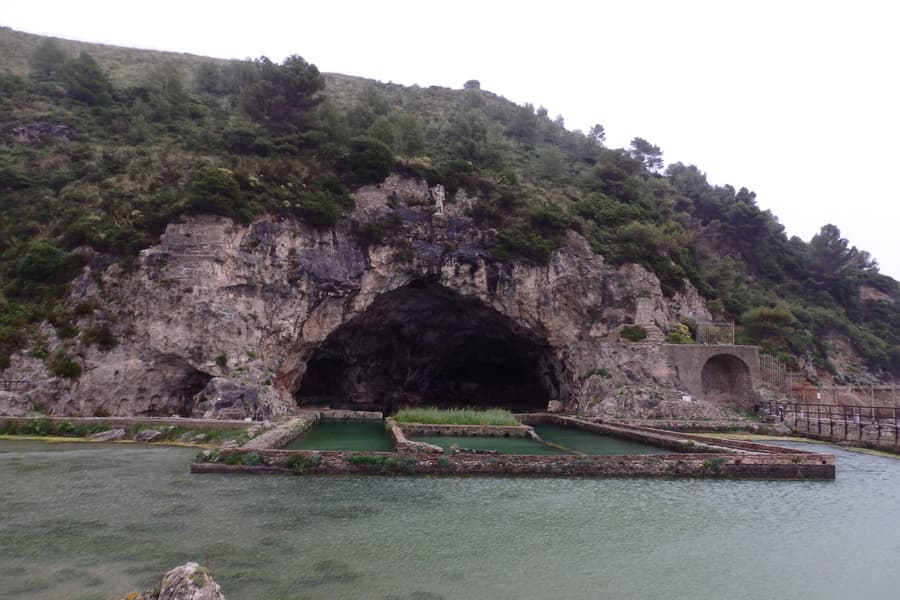 Coast & islands 7,900 km of coastline and around eighty inhabited islands
 -
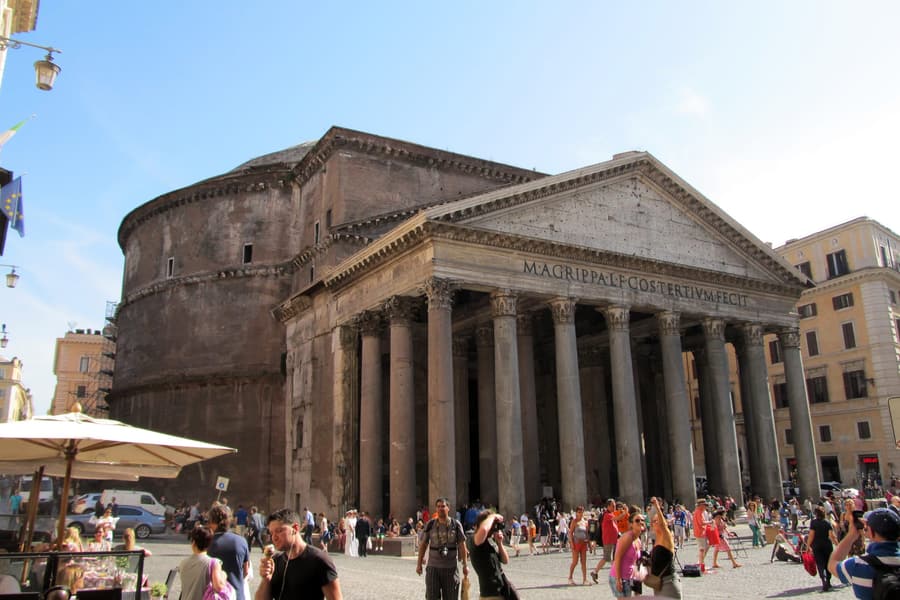 UNESCO Italy Sixty World Heritage sites — the largest tally of any country
 -
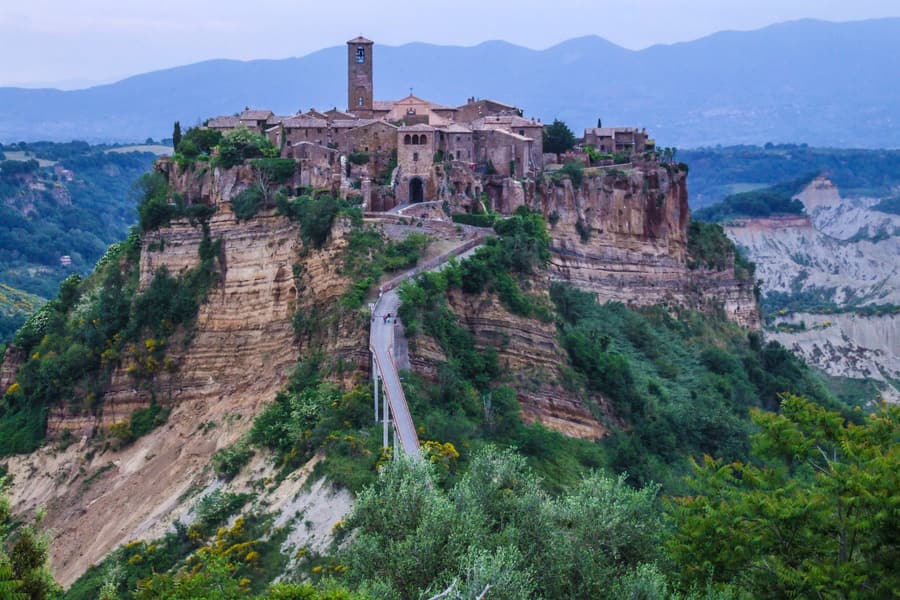 Borghi & villages The hill towns that carry I Borghi più belli d'Italia and the Orange Flag
 -
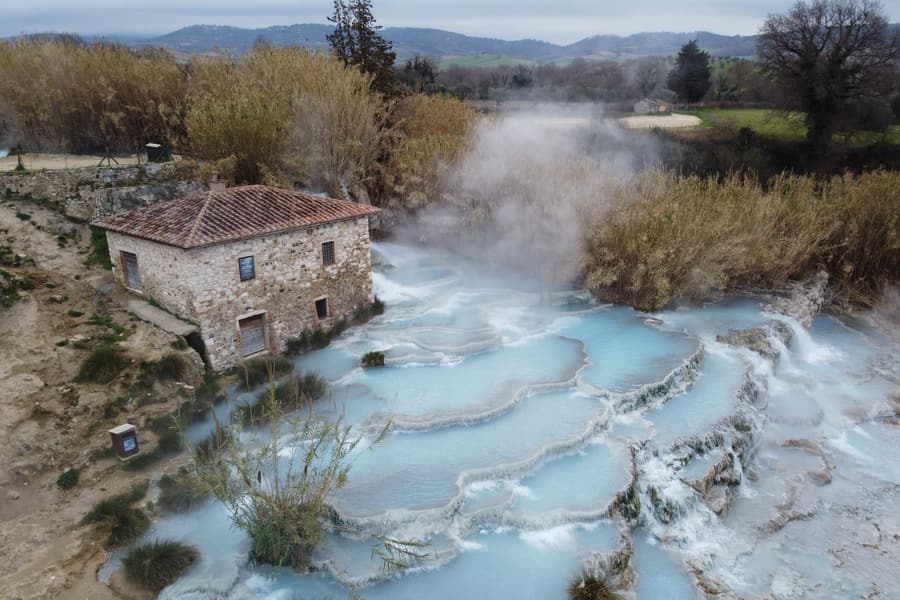 Nature & national parks 25 national parks, from alpine glaciers to volcanic islands
 -
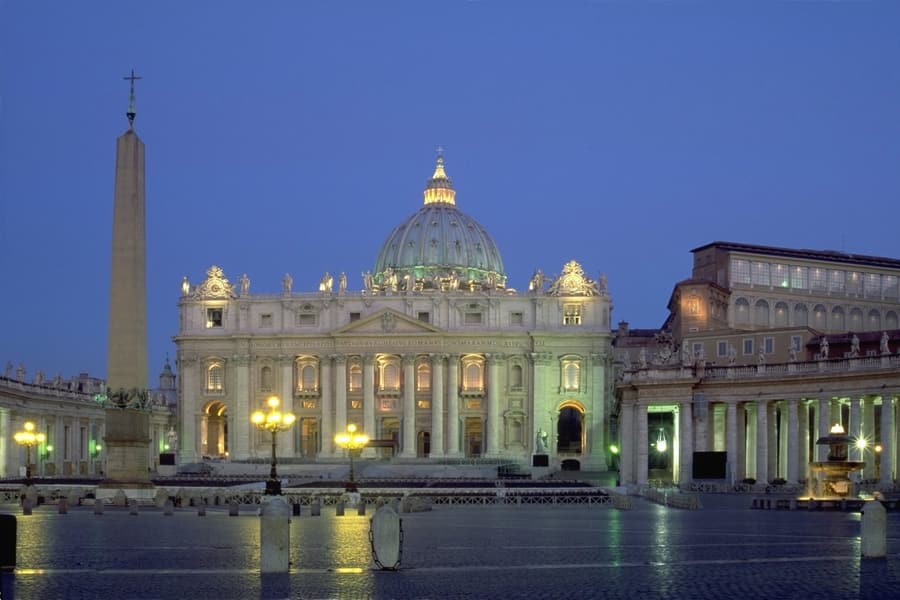 Spirituality & pilgrimage Rome, Assisi, and the pilgrim roads that connect them
 -
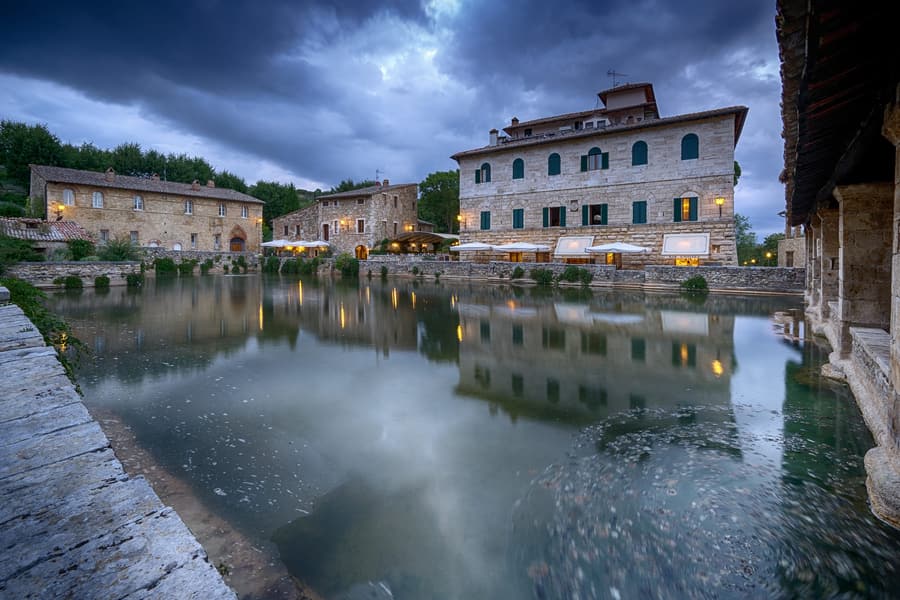 Thermal baths & wellness Volcanic Italy's other output — hot water, since the Romans
 -
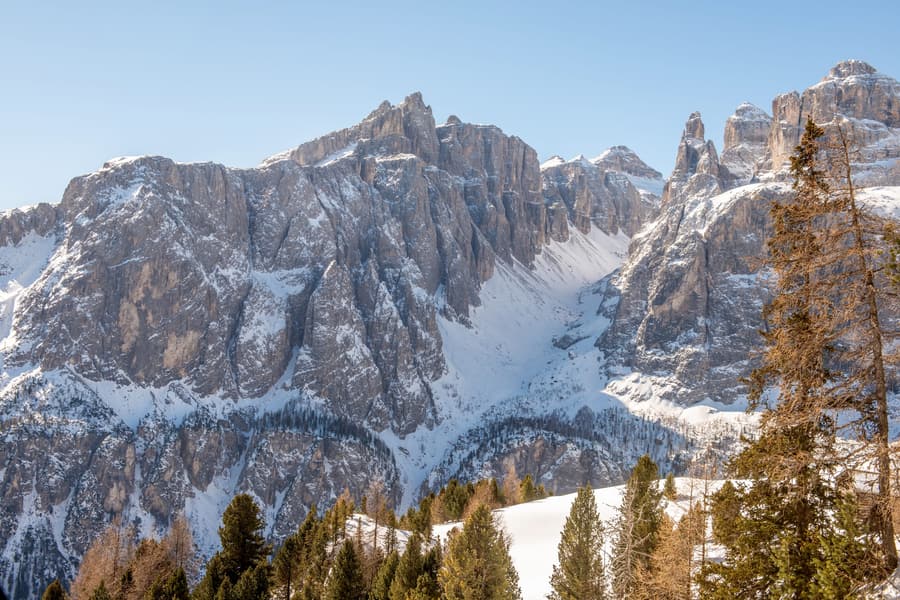 Sport & the outdoors Dolomiti Superski, the Giro's climbs and Garda's windsurfing
 -
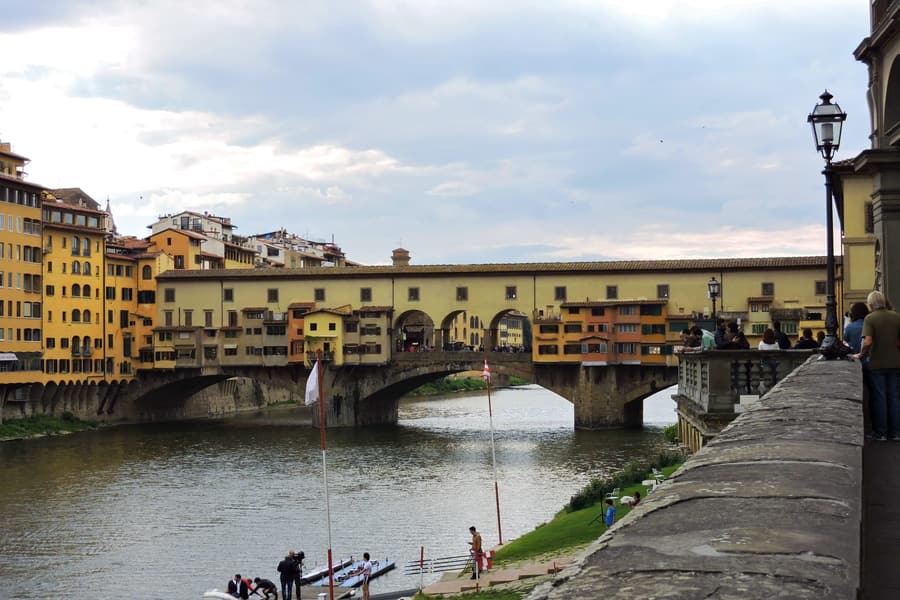 Shopping & markets Milan's Quadrilatero, Florence's leather and the weekly market habit
 -
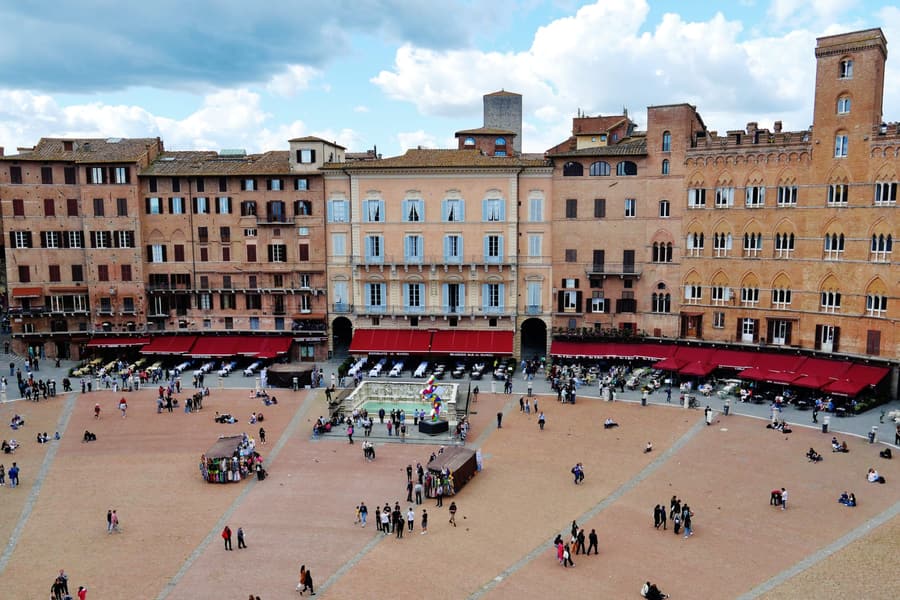 Events & festivals The Palio, Carnevale, the Biennale and an opera season in a Roman arena
 -
 Luxury Italy Portofino, the Costa Smeralda, Capri and the great lake villas