Seven volcanic islands off the north coast of Sicily, UNESCO-listed since 2000 for what they taught geology — two of the world's eruption styles, Strombolian and Vulcanian, are named after them. Lipari is the biggest and the transport hub; Vulcano has the fumaroles and mud; Salina is green, high and the food island; Stromboli erupts every few minutes and has done for two thousand years; Panarea is the small chic one; Filicudi and Alicudi, out west, have almost nothing on them, which is the point.
Because there is nowhere else in Europe where you can watch an active volcano throw lava into the sea after dark, then swim over a seabed of hot springs in the morning. And because island-hopping here is easy and cheap — the hydrofoils tie all seven together.
What to do
- Stromboli by night — Guided ascent to the permitted viewing altitude at dusk to watch the explosions, or a boat sitting off the Sciara del Fuoco as lava rolls into the sea.
- Gran Cratere, Vulcano — An hour up loose ash to the rim, with sulphur fumaroles hissing along it and all seven islands in view.
- Salina's Pollara — A half-collapsed crater with a beach in it, where Il Postino was filmed. Sunset from the cliff above is the best on the archipelago.
- Lipari's citadel and archaeological museum — One of the great Mediterranean archaeology collections — 6,000 years of obsidian trade — inside a Spanish fortress.
- Quattrocchi viewpoint — 'Four eyes', on the road west of Lipari town, looking at the faraglioni with Vulcano behind. The classic photo.
- Filicudi and Alicudi — The far west: a Bronze Age village on Capo Graziano, sea caves, and on Alicudi, 1,000 steps, no roads and about 100 people.
Beaches & swims
- Pollara, Salina — A beach inside a collapsed crater, under a 200 m cliff.
4 days on Aeolian Islands
- Day 1 Lipari
Hydrofoil from Milazzo. Afternoon in the citadel and the archaeological museum, then the bus west to Quattrocchi for sunset. Dinner in Marina Corta.
- Day 2 Vulcano
Early crossing (10 minutes), up the Gran Cratere before the heat, then the black sand and the natural hot springs where they bubble into the bay at Porto di Levante. Back to Lipari for the evening.
- Day 3 Salina
Ferry to Santa Marina. Hire a scooter for Pollara, Malfa and Lingua; caper lunch, granita at Da Alfredo, sunset over Pollara.
- Day 4 Stromboli
Afternoon boat over, dinner early, then the guided evening ascent or the sunset boat under the Sciara del Fuoco. Stay the night — the island after the day boats leave is the whole experience.
Getting there
- Access
- Hydrofoils from Milazzo (1h to Lipari); summer connections from Messina, Palermo and Naples
- Best time to go
- May–June and September are ideal: the sea is warm, the boats run and the islands are not full. July–August is busy and expensive, and Panarea becomes a Milanese nightclub. From November to March many hotels close and rough seas cancel crossings for days at a time — this is a spring-to-autumn destination.
- Getting around
- Hydrofoils (Liberty Lines) and car ferries (Siremar) from Milazzo — an hour to Lipari — link all seven islands several times a day in season. Base yourself on Lipari or Salina and day-trip. Cars are restricted or pointless on most of the islands; Alicudi has no roads at all, only mule tracks and mules.
- Eat & drink
- Salina's capers are the best in Italy and appear in everything; the Malvasia delle Lipari passito is the local dessert wine. Pane cunzato — a big flat loaf dressed with tomato, caper, anchovy, oregano and oil — is the standard lunch and originated here. Fresh tuna and swordfish, granita in the mornings.
- Know before you go
- Stromboli's summit is closed above 400 m without a licensed guide, and access has been restricted repeatedly after eruptive crises and fires — check the current rules before booking. Sea conditions cancel hydrofoils with little notice; never plan a flight home for the same day you leave the islands. Vulcano's mud baths were closed for gas readings in recent years; check before travelling for that specifically.
Other islands in the region
-
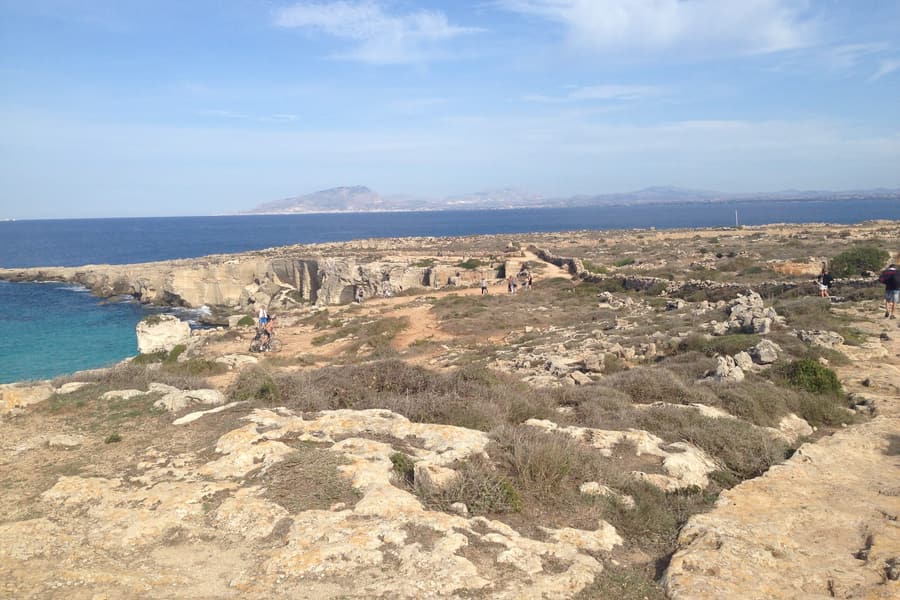 Favignana & the Egadi Islands Tuna-fishery islands off Trapani, with Europe's largest marine reserve
 -
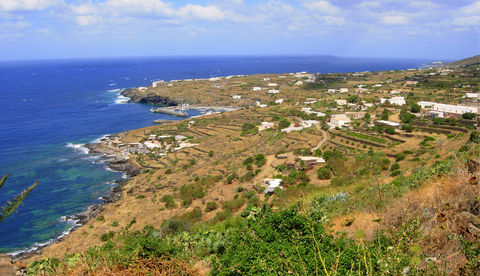 Pantelleria A black volcanic island closer to Africa than to Sicily, with no beaches and famous wine
 -
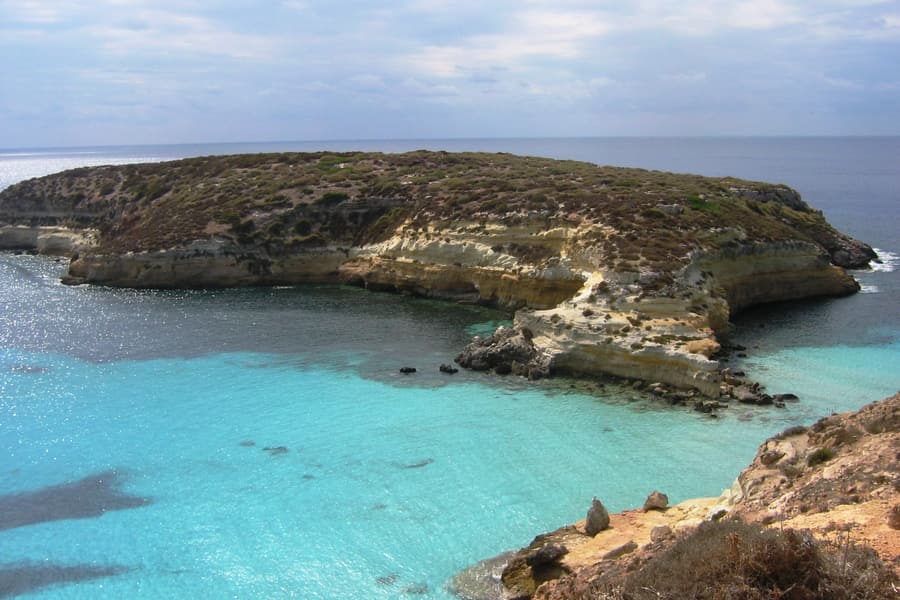 Lampedusa & the Pelagie Islands Italy's southernmost point — geologically African, with Rabbit Beach
 -
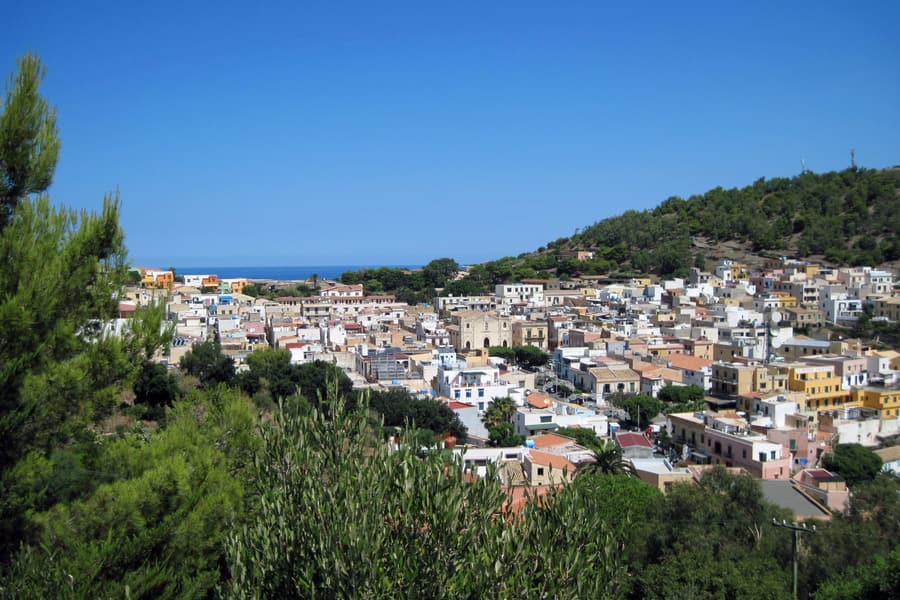 Ustica A small volcanic island north of Palermo, and Italy's first marine reserve
On the mainland
Where to base yourself either side of the crossing.
-
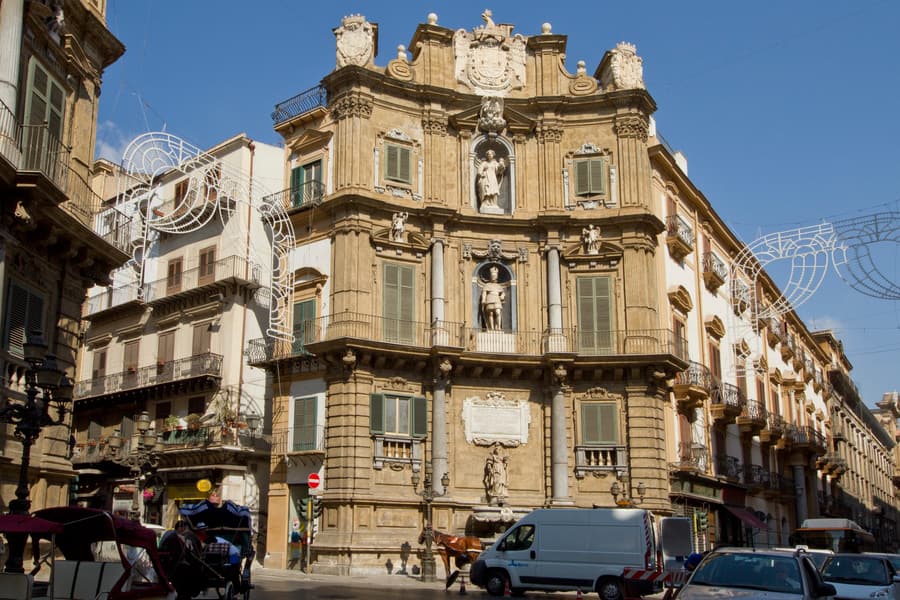 Palermo Arab-Norman palaces, street food and Sicily's rowdy capital
 -
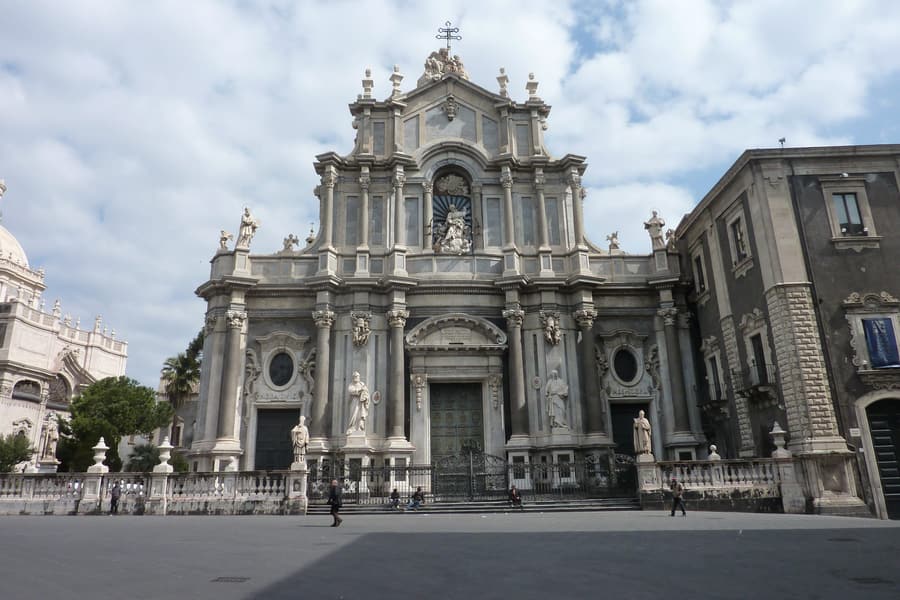 Catania Black lava baroque under Etna, and Sicily's best fish market
 -
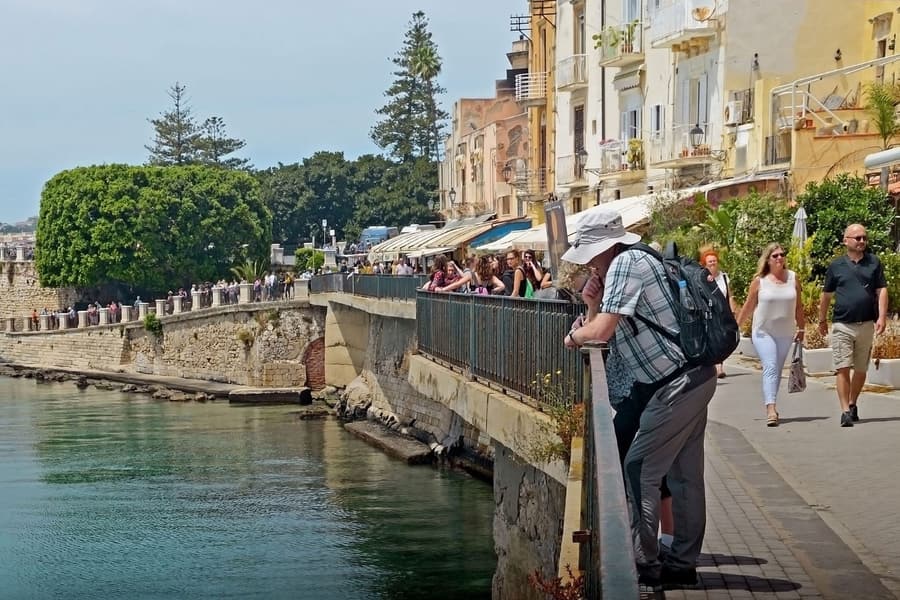 Syracuse Ortigia's island old town and the greatest Greek theatre in Sicily
 -
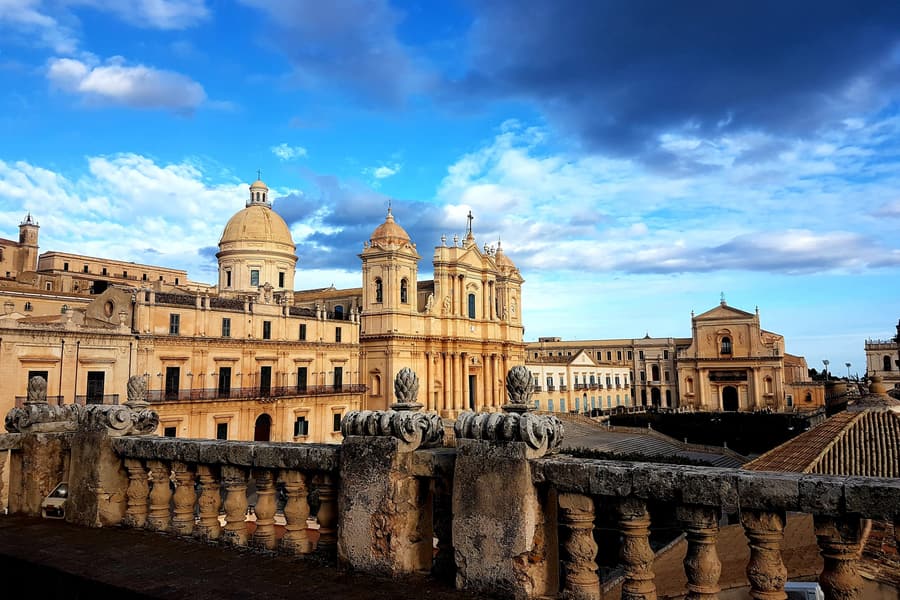 Noto The set-piece of Sicilian late baroque, rebuilt after the 1693 quake
 -
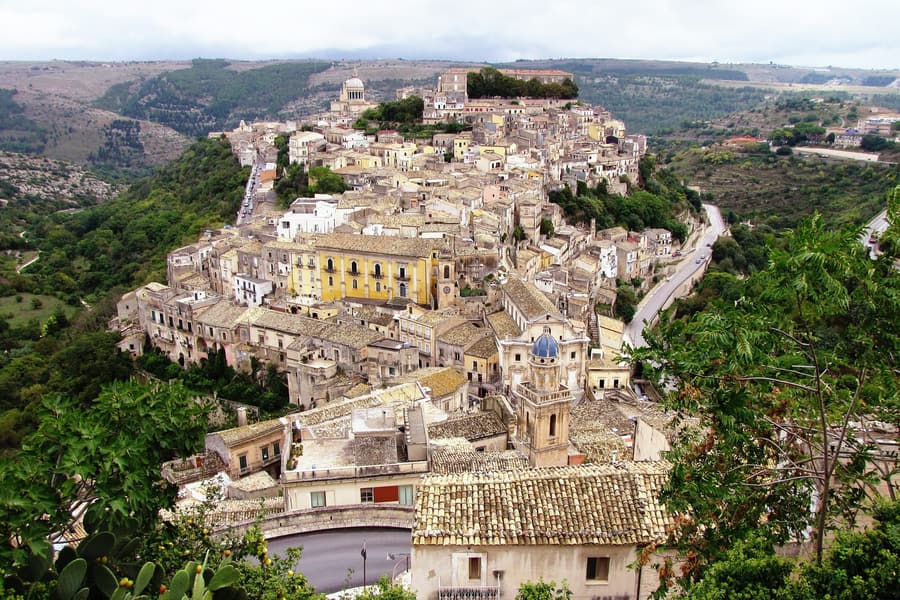 Ragusa Two towns on two hills — Ibla is the beautiful one
 -
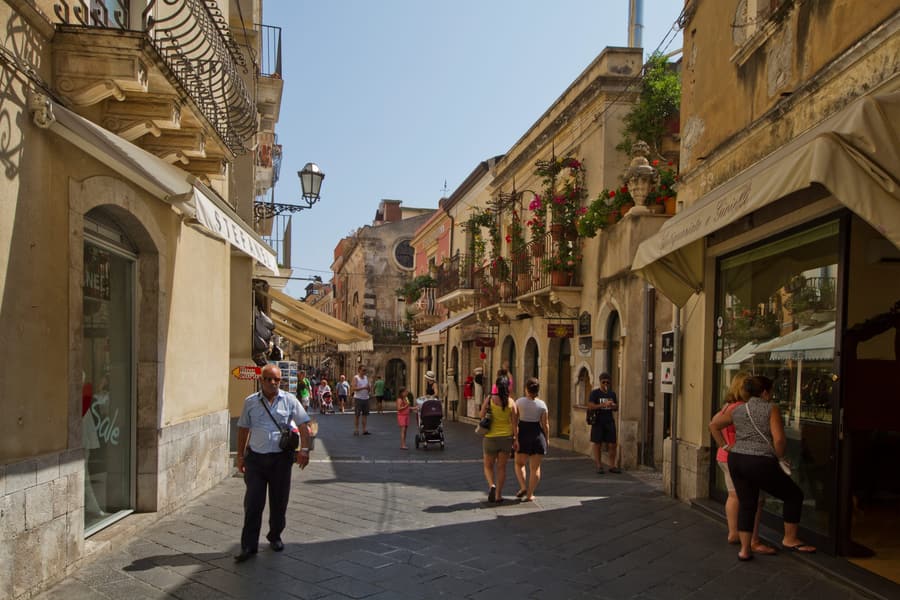 Taormina A cliff-top Greek theatre looking straight at Etna
 -
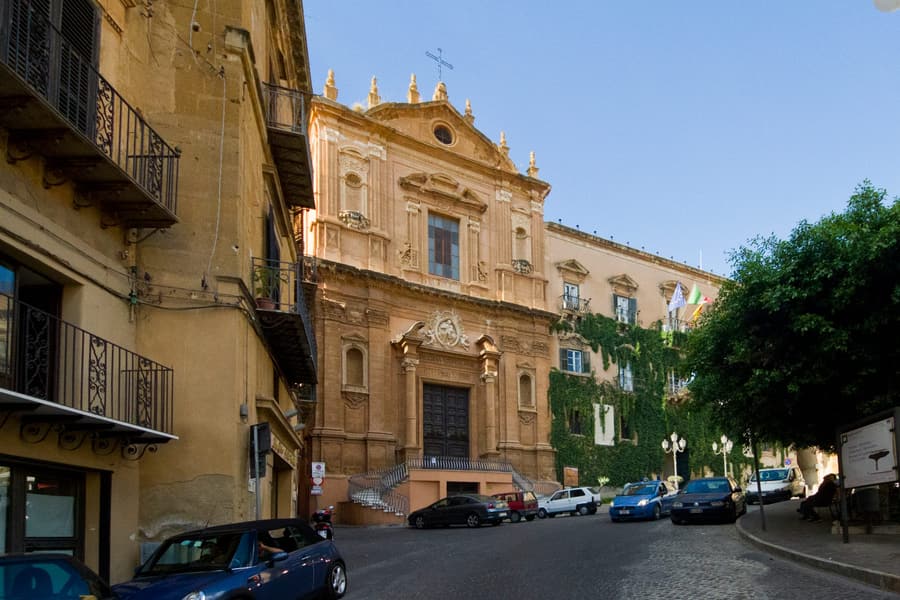 Agrigento The base for the Valley of the Temples — Italian Capital of Culture 2025
Nearby highlights
-
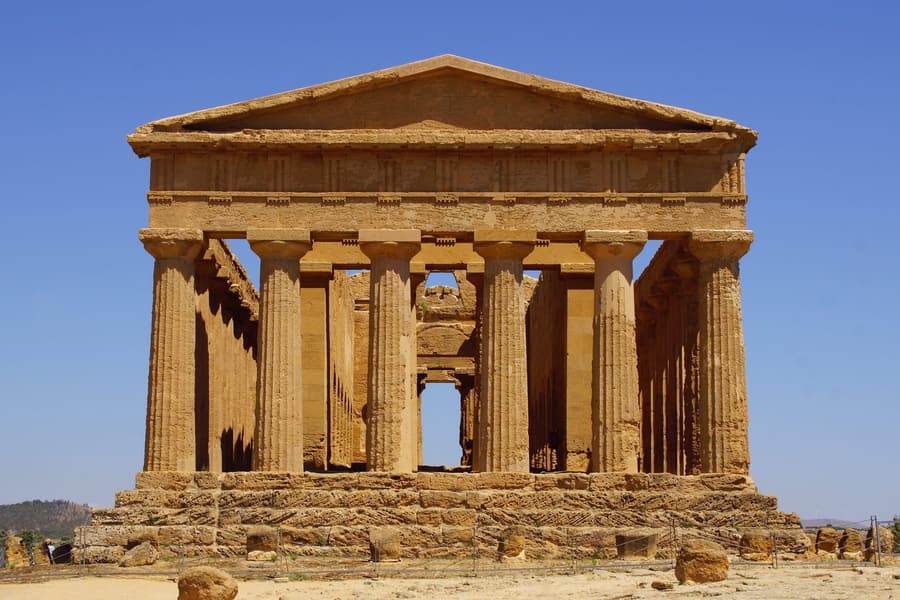 Valley of the Temples Eight Doric temples on a ridge above Agrigento, built from 510 BC
 -
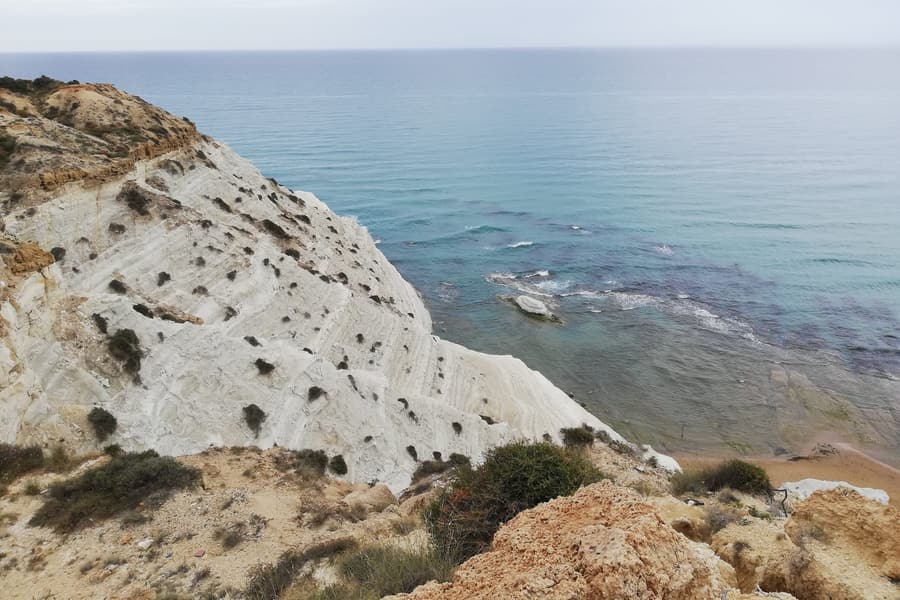 Scala dei Turchi A blinding white marl cliff stepping down into the sea
 -
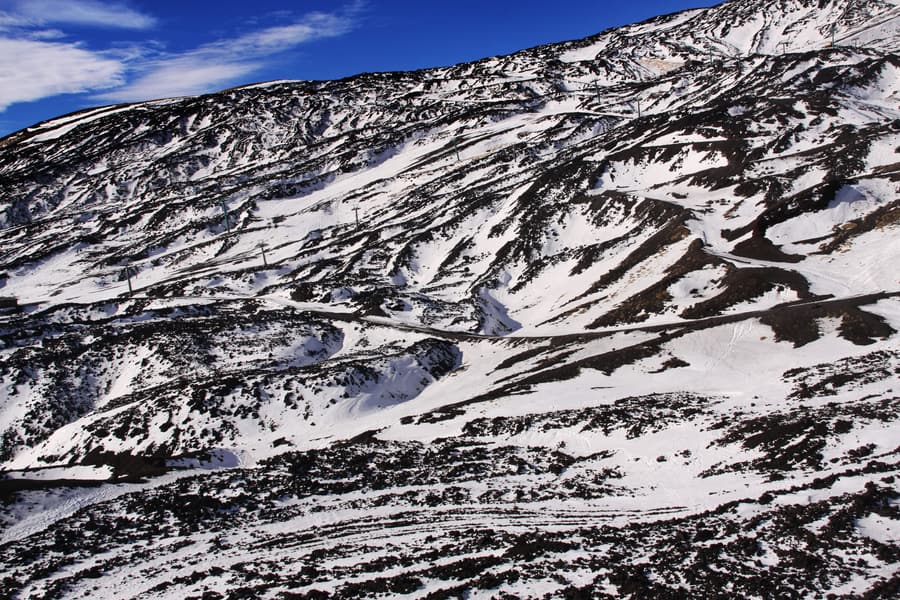 Mount Etna Europe's highest and most active volcano, at around 3,350 m and rising
 -
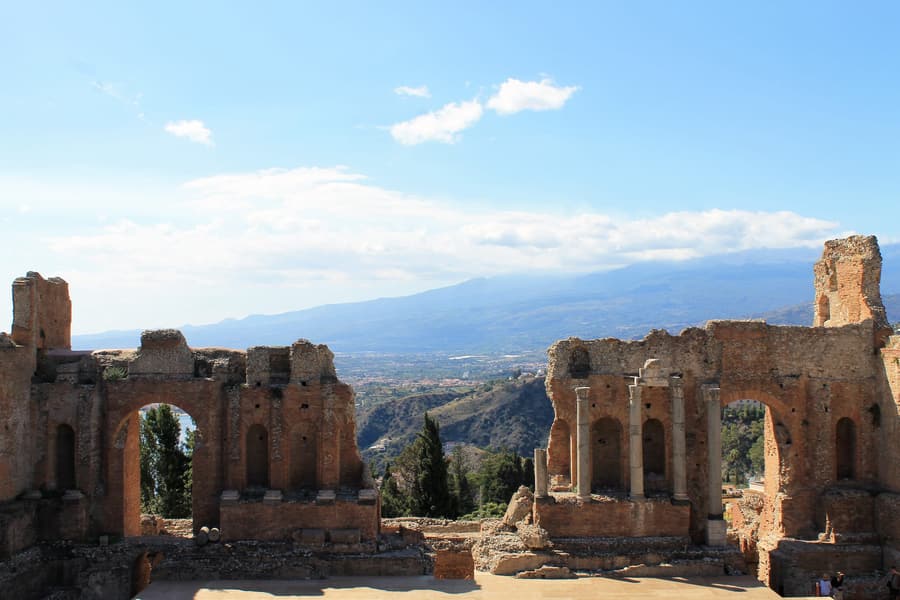 Taormina Greek Theatre A Hellenistic theatre framing Etna — still used for summer concerts
 -
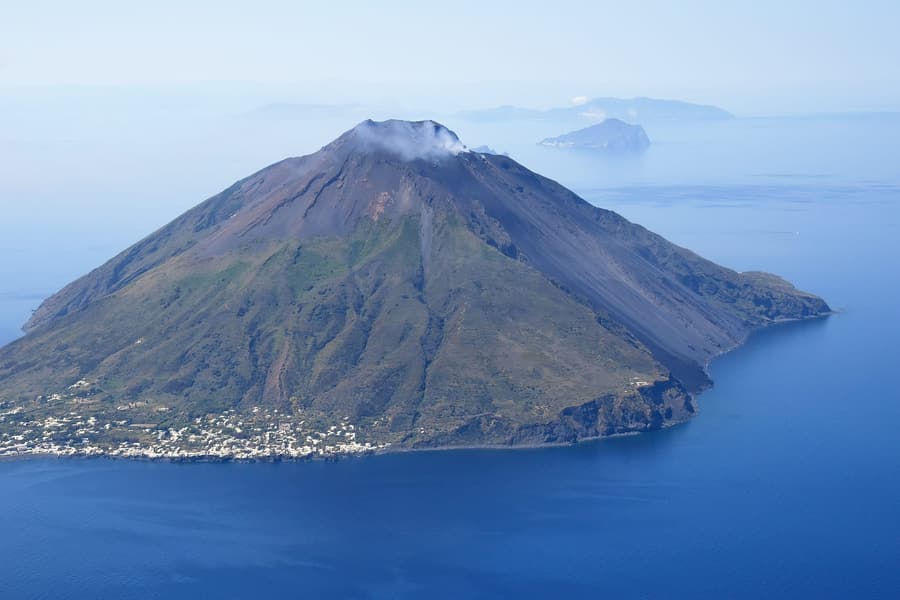 Stromboli An island volcano that has erupted every few minutes for 2,000 years
 -
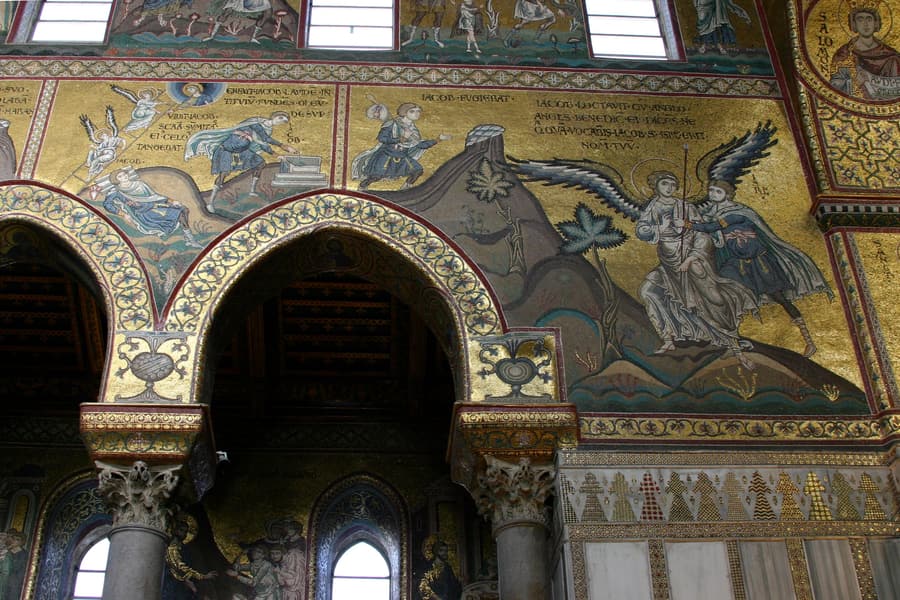 Monreale Cathedral 6,500 m² of Byzantine gold mosaic in a Norman cathedral above Palermo
 -
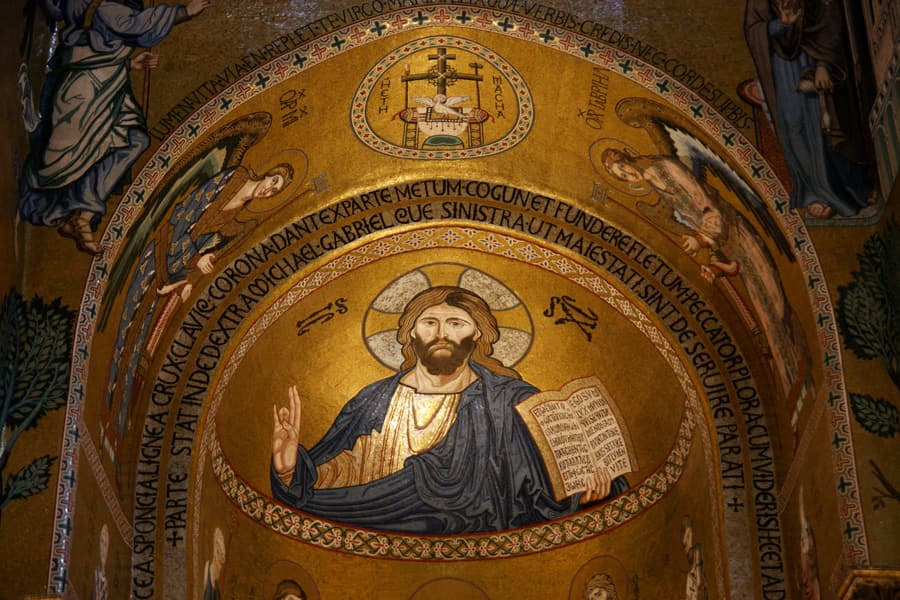 Cappella Palatina The Norman kings' chapel — Byzantine mosaics under an Arab wooden ceiling
 -
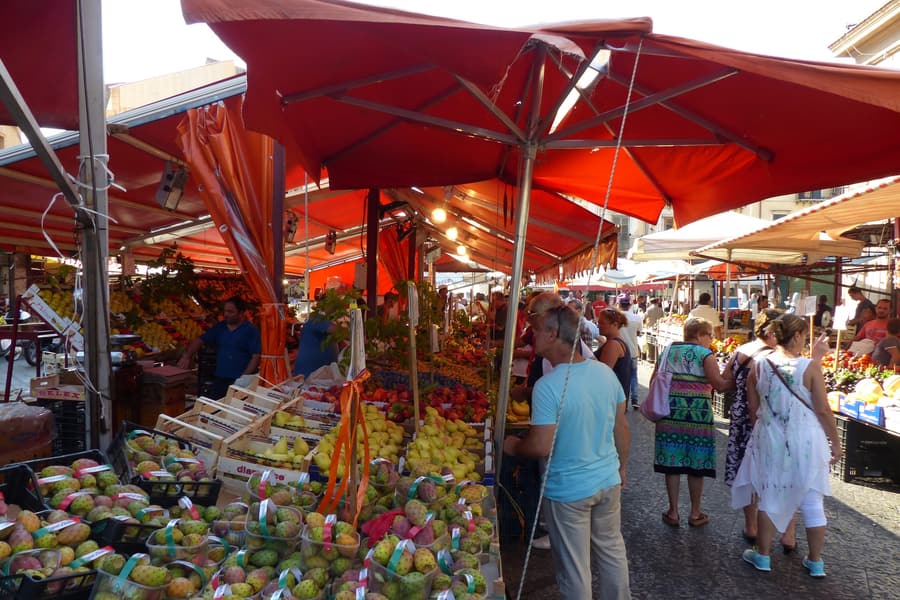 Ballarò Market Palermo's loudest street market, and the best place to eat standing up