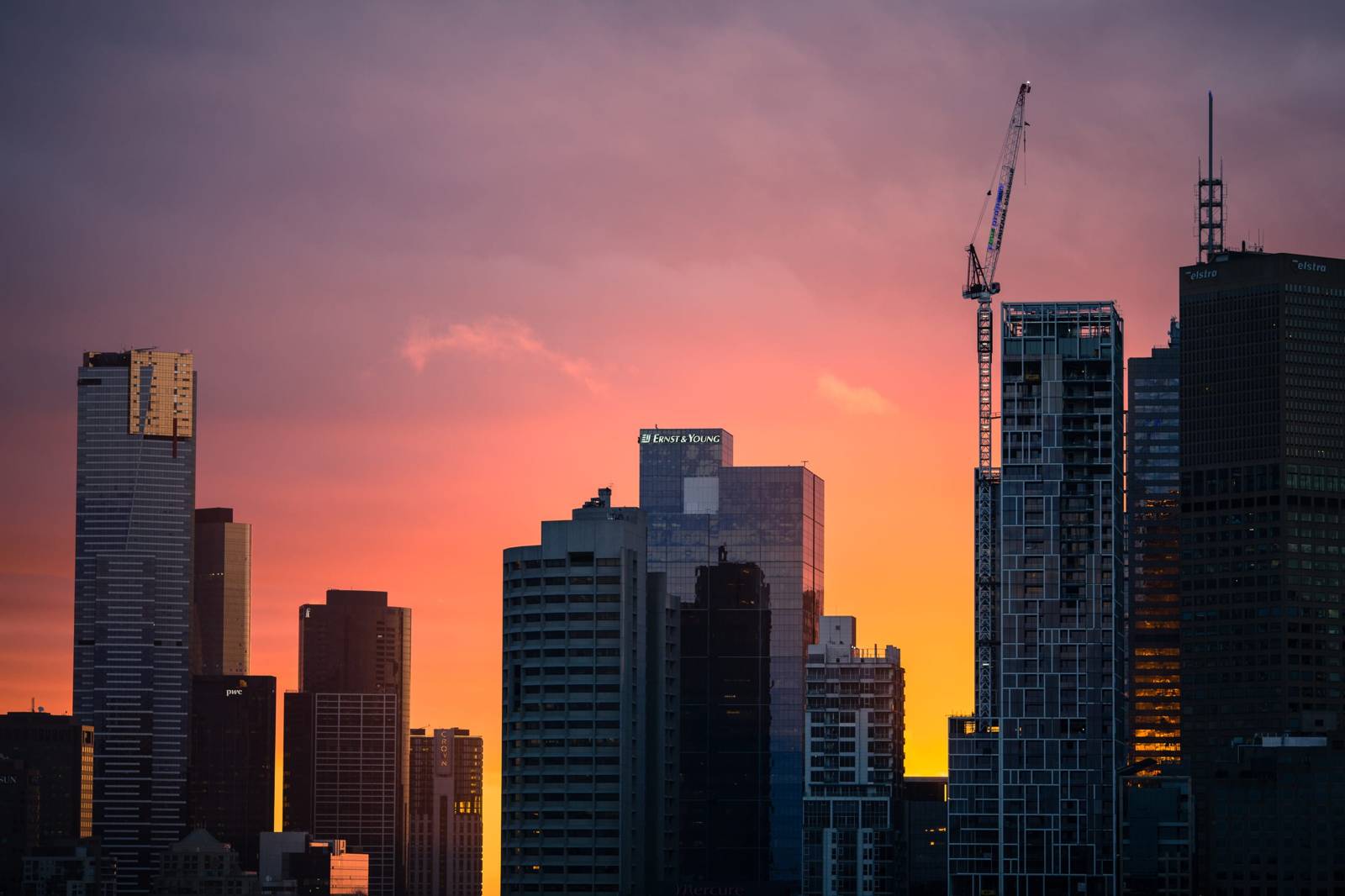

SEA LIFE Melbourne Aquarium: Entry Ticket
Melbourne
Tickets via TiqetsViator compare on page
from £18.44
View & book →Laneway coffee, street art and sport, with the Great Ocean Road and the Yarra Valley on the doorstep.
Melbourne, Narrm, is Victoria's capital on the Birrarung (Yarra River), on the lands of the Wurundjeri Woi-wurrung and Bunurong / Boon Wurrung peoples of the Kulin Nation. It is a city we get to know on foot and by tram: laneway cafés and street art in the centre, galleries and theatres across the river in Southbank, and distinct inner suburbs such as Fitzroy, Carlton and St Kilda. The Great Ocean Road, the Yarra Valley and Phillip Island's penguins are all day trips.
Everything on this map is a day trip or a short hop from Melbourne — the way Tourism Australia itself organises the country, around a gateway city and the destinations it opens up.
Start at Hosier Lane opposite Federation Square for the street art, then wander Flinders Lane and the arcades for coffee and small bars. It is all inside the Free Tram Zone.
The city's big produce and general market, open Tuesday, Thursday, Friday, Saturday and Sunday. On very hot days (36°C or more) traders may close from 1pm.
NGV International's European, Asian, Oceanic and American collections, then a show at Arts Centre Melbourne or the Melbourne Recital Centre. Parts of the precinct are under redevelopment, so we check what is open.
The Koorie Heritage Trust at Federation Square and Bunjilaka at Melbourne Museum are the places to start, a short walk or tram ride from the river the Wurundjeri call Birrarung.
Swim at the sea baths, walk the pier and ride the old rides at Luna Park; tram or the SkyBus Peninsula Express from the airport gets you there.
The Twelve Apostles are about 275 km west of Melbourne, roughly four hours' drive along the Great Ocean Road via Torquay. It is a long day trip; one night on the coast is more relaxed.
Little penguins come ashore at Summerland Beach at sunset every evening. It is 90 minutes to two hours' drive; booking is essential and there is no public transport back after the parade.
About an hour away each: Yarra Valley cellar doors and Healesville Sanctuary; Puffing Billy's steam train from Belgrave in the Dandenong Ranges; or the Mornington Peninsula's beaches and hot springs.
Skip-the-line tickets and tours in Melbourne — compare across our partners.
Melbourne
Tickets via TiqetsViator compare on page
from £18.44
View & book →The first-time base: free trams, Flinders Lane and Hosier Lane, Queen Victoria Market and Federation Square on the doorstep.
Across the river: the arts precinct, NGV International, Arts Centre Melbourne and a riverside walk back into town.
Brunswick, Gertrude, Smith and Johnston streets: bars, live music, vintage shops and cafés in old bluestone buildings.
Lygon Street's Italian cafés and restaurants, a short walk from Melbourne Museum.
The seaside suburb: the pier, the sea baths, Luna Park and live-music venues, linked to the airport by SkyBus.
Chapel Street fashion and food, with Prahran Market for produce.
Federation Square and Hosier Lane, the laneways and arcades for lunch, Queen Victoria Market if it is a market day, then the City Circle tram to see the centre without paying a fare.
NGV International and a walk along the river in the morning; Melbourne Museum and Bunjilaka in the afternoon; dinner on Lygon Street.
Coffee and shops on Gertrude and Smith streets, then down to St Kilda for the pier and the sea baths at sunset.
Either the Great Ocean Road to the Twelve Apostles (a long day), or Phillip Island for the Penguin Parade at dusk, or the Yarra Valley for wineries and Healesville Sanctuary.
Tourism Australia calls Melbourne Australia's coffee capital, and food is a large part of why people come. The centre's laneways are cafés by day and small bars by night; each inner suburb has its own eat street, from Lygon Street's Italian strip in Carlton to Chapel Street in Prahran; and the markets, Queen Victoria, Prahran and South Melbourne, are where we shop for picnics.
The iconic destinations Tourism Australia groups under “Melbourne and surrounds”.
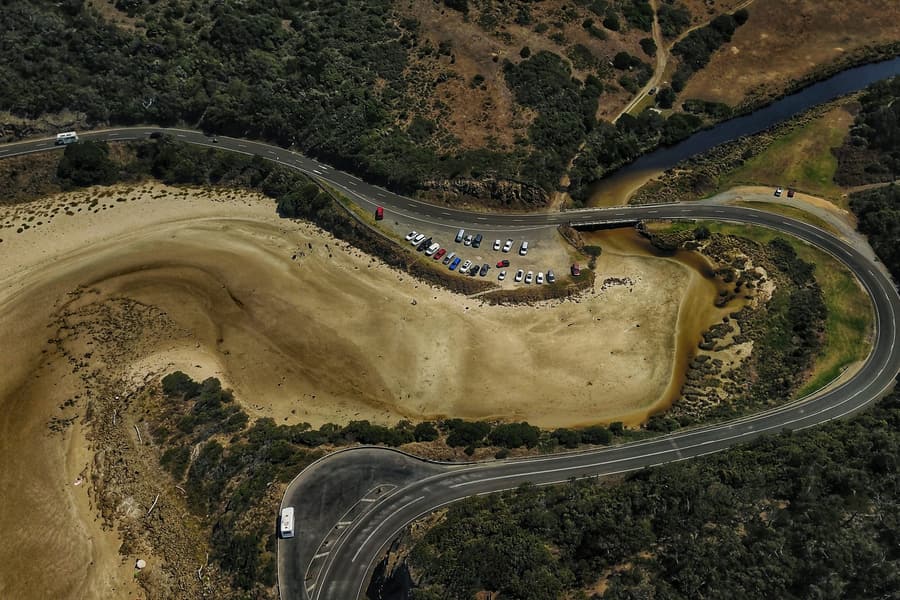 Great Ocean Road 243 km of cliff-edge driving past the Twelve Apostles, built by returned soldiers as a war memorial.
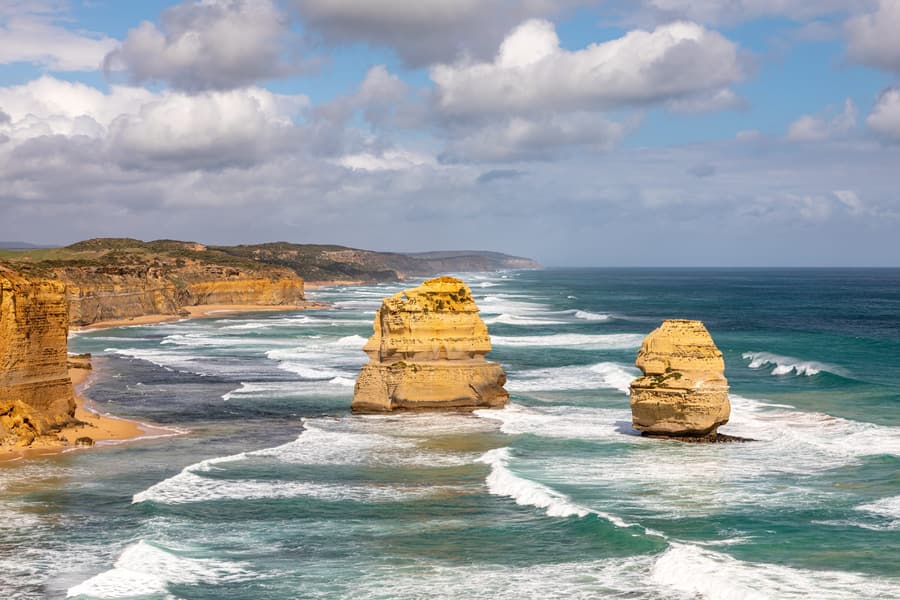 Twelve Apostles Limestone stacks standing off the Shipwreck Coast — best at sunrise, before the coaches.
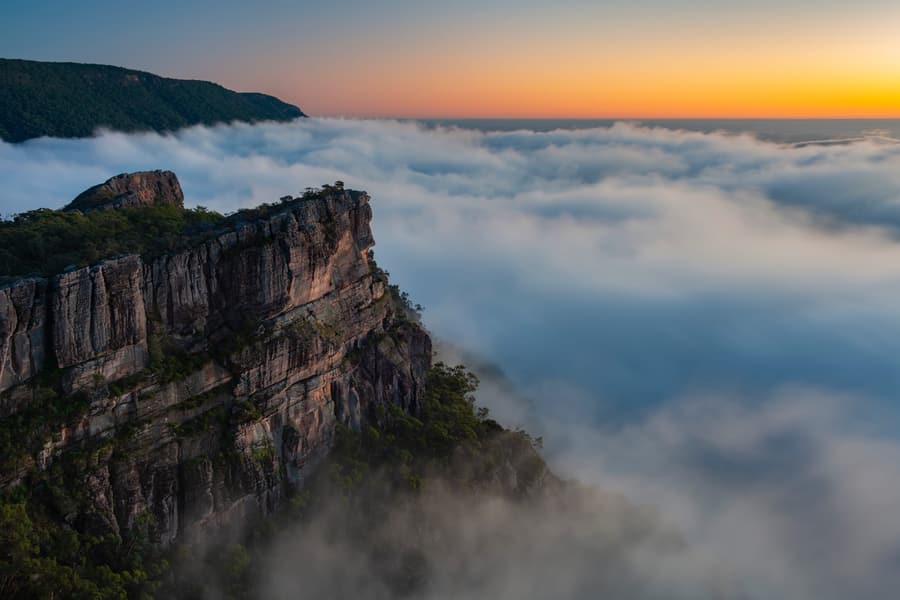 Grampians (Gariwerd) Sandstone ranges holding the richest concentration of Aboriginal rock art in southern Australia.
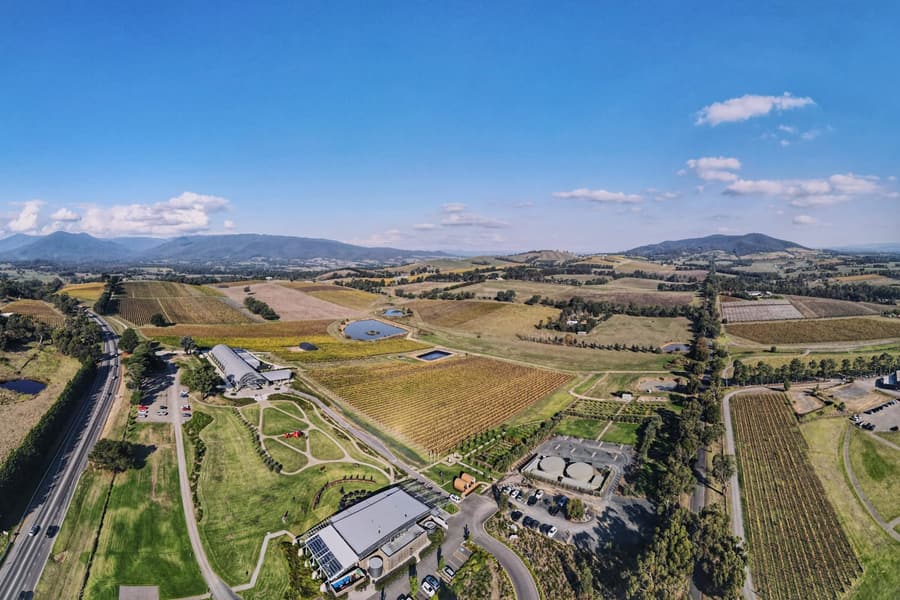 Yarra Valley Chardonnay, Pinot Noir and hot-air balloons an hour from Melbourne.
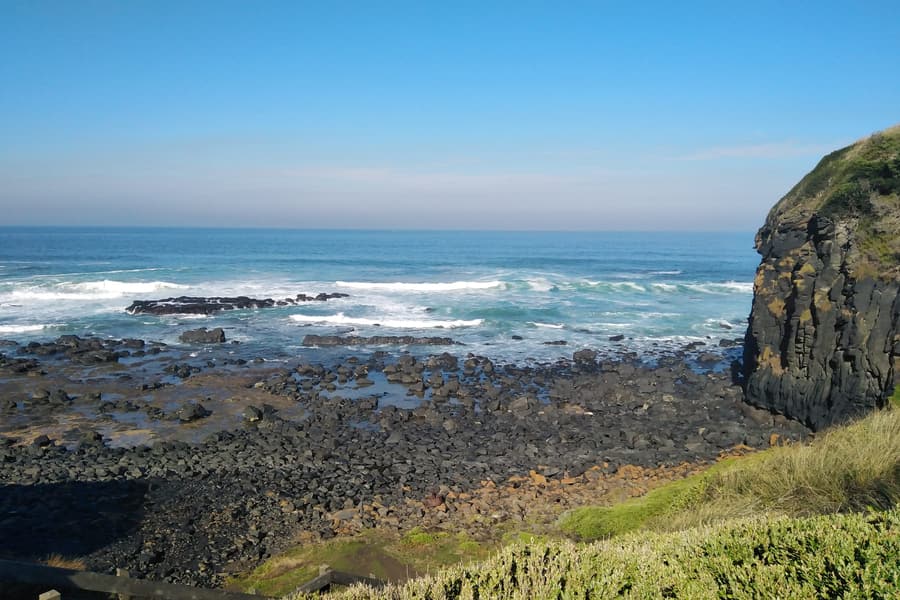 Mornington Peninsula Bathing boxes, cellar doors and hot springs on Melbourne's bay-side doorstep.
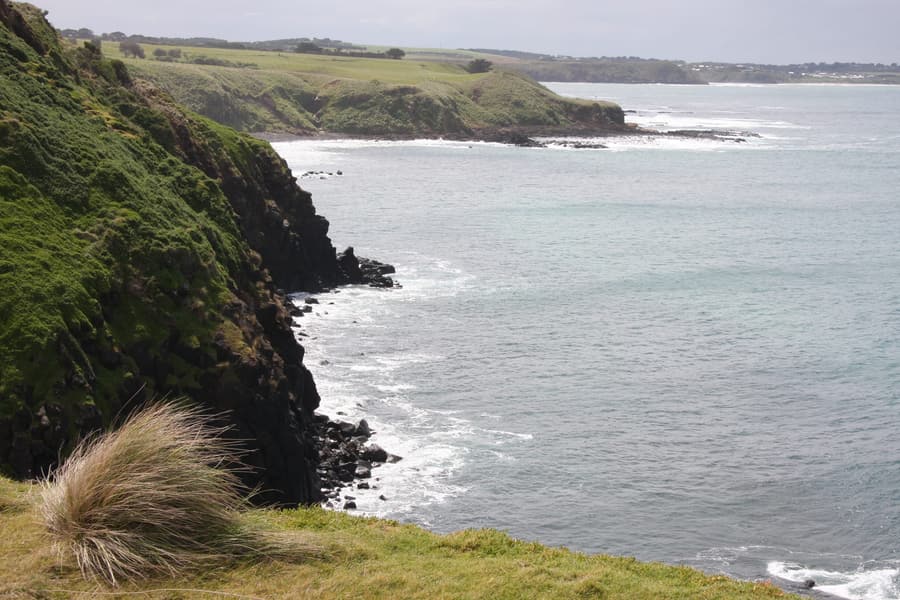 Phillip Island Little penguins coming ashore at dusk, plus fur seals and a Grand Prix circuit.
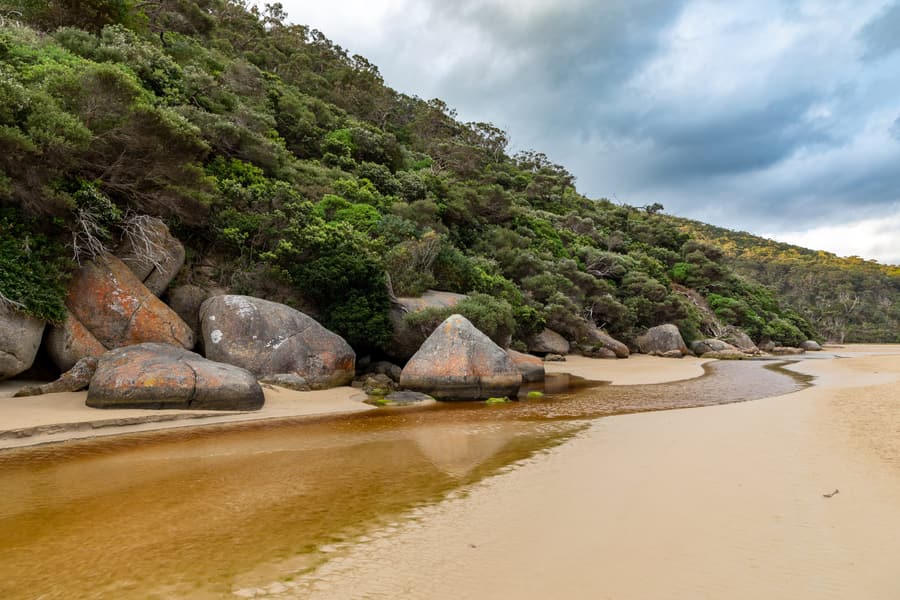 Wilsons Promontory Mainland Australia's southernmost point — granite headlands, wombats and Squeaky Beach.
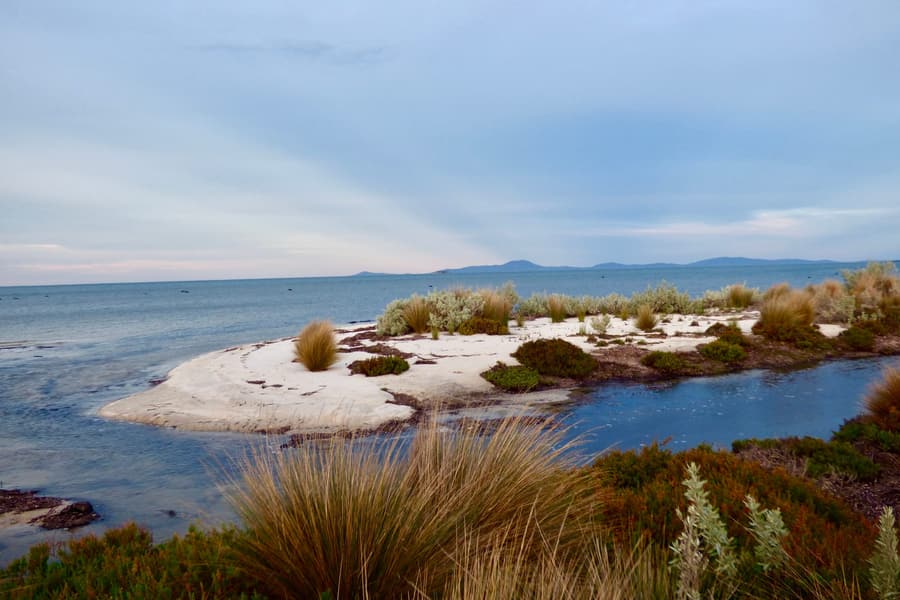 Gippsland Ninety Mile Beach, alpine country and dairy-farm food east of Melbourne.
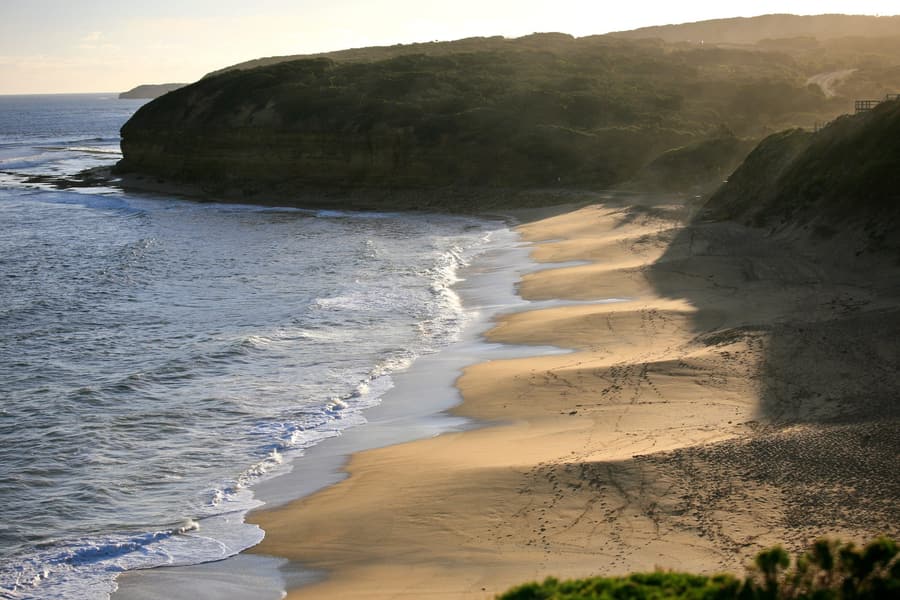 Bells Beach The world's longest-running surf competition breaks here every Easter.
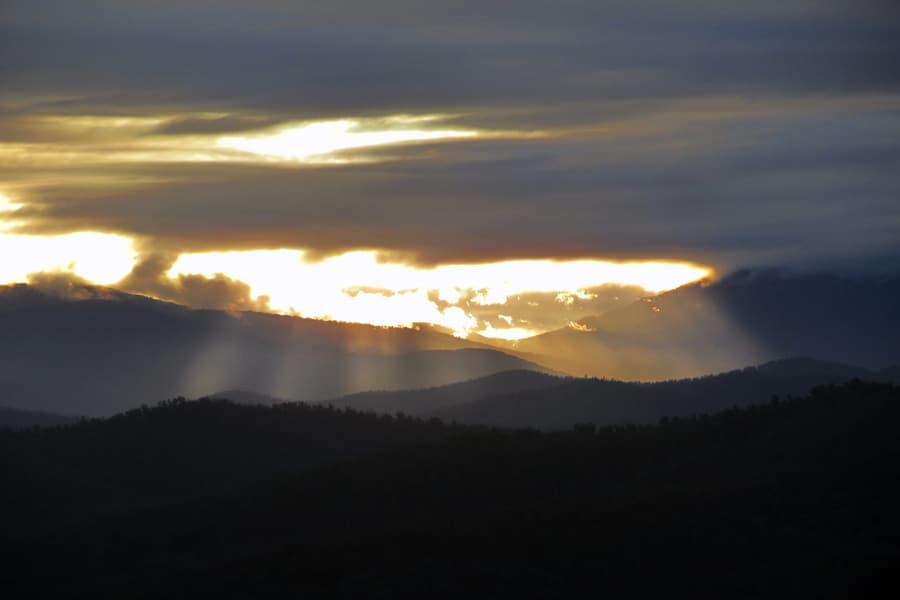 Victoria's High Country Alpine huts, mountain-bike trails and Australia's snow season within reach of Melbourne.
Getting there. There are no non-stop flights from the UK. One-stop routes from London to Melbourne Airport (MEL, Tullamarine, 22 km from the city) include Singapore Airlines via Singapore and Emirates, Qatar Airways and Etihad via the Gulf; Qantas flies London–Perth non-stop with onward flights to Melbourne, and British Airways plans a daily Heathrow–Kuala Lumpur–Melbourne service from January 2027. Gulf routes were disrupted earlier in 2026 (Melbourne Airport keeps a Middle East travel information page), so we check the airline and FCDO advice before booking. From the airport, SkyBus City Express runs to the city every 10 minutes between 4am and 1am, and its Peninsula Express serves St Kilda; taxis and rideshare are also available. Avalon Airport (AVV), 55 km away, is the city's second airport.
Getting around. Trams, trains and buses cover the city. Inside the Free Tram Zone (the CBD and Docklands, from Queen Victoria Market and Spring Street to Flinders Street Station and Federation Square) trams are free and we do not tap on at all; the City Circle tram runs within it. Beyond the zone we tap on and off with a myki card or, now, a contactless Visa or Mastercard, phone or watch, using the same card or device each time so the daily fare cap applies. V/Line regional trains and coaches leave from Southern Cross Station, including a coach to Cowes on Phillip Island; for the Great Ocean Road and the Penguin Parade most visitors hire a car or join a tour.
Melbourne stands on the lands of the Wurundjeri Woi-wurrung and Bunurong / Boon Wurrung peoples, part of the Kulin Nation (City of Melbourne). The Wurundjeri are recognised in Victorian law as Traditional Owners and custodians of the Birrarung (Yarra River). To learn more we start at the Koorie Heritage Trust at Federation Square and Bunjilaka, the Aboriginal cultural centre at Melbourne Museum. The city's other big cultural draws are its galleries and theatres in Southbank, live music in the inner north, and sport: Australian rules football and the Melbourne Cup Carnival at Flemington in November.
Entry rules, safety and health for Australia: the UK government's FCDO travel advice for Australia (the definitive source), summarised with visas, currency and plugs on our Australia guide.
Images on this page are sourced from Wikimedia Commons under free licences (CC0, CC BY or CC BY-SA) and are photographs of the places named. Author, licence and source for each: