Slovenia — hero
← All destinations Country

Slovenia

Europe's green heart, where Alpine peaks, an emerald lake, dramatic caves and a short Adriatic coast fold into one tiny, easy-going country.

  • Currency € Euro (€)
  • Language Slovene
  • Best time March – April & June – September
  • Visa Visa-free (up to 90 days; Schengen)

The FCDO has no advisory against travel to Slovenia.

Still current at: 11 August 2026 Updated: 11 August 2026

Source: UK Foreign, Commonwealth & Development Office — the definitive source. Check it close to your travel dates.

Why visit

Why Slovenia

Europe's green heart, where Alpine peaks, an emerald lake, dramatic caves and a short Adriatic coast fold into one tiny, easy-going country.

  • Lake Bled island church
  • Postojna Cave train ride
  • Ljubljana's riverside old town
  • Vintgar Gorge walkway
Read more

Slovenia is Europe's green heart: over half of it is forest, and it wears its sustainability lightly. From the glacial blue of Lake Bled to the karst caves of Postojna, this is a small country of outsized, uncrowded rewards.

Its compact size is the magic. Morning in walkable, cafe-lined Ljubljana, an afternoon hiking in the Julian Alps, and dinner by the Adriatic in Piran are all doable in a day, making it a dream for bleisure travellers and active families alike.

Food and wellness run deep, from Michelin-level farm-to-table dining to natural thermal spas, all wrapped in a regenerative, community-led ethos that makes travelling here feel genuinely good.

A pillar, not a footnote

Eat your way through Slovenia

The single reason many travellers come back — the food culture worth reshaping a trip around, and the dishes to seek out region by region.

Slovenia

A country the size of a valley that somehow tastes of the Alps, the Adriatic and the Hungarian plain at once.

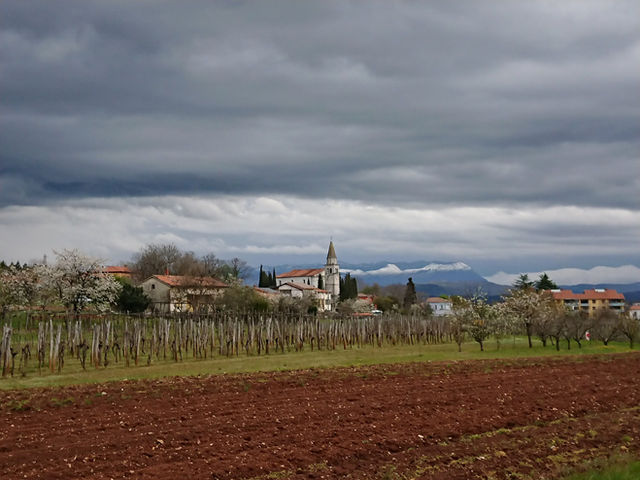
Slovenia is a small country with an outsized appetite. Breakfast in an Alpine village on buckwheat and honey, lunch on the Karst plateau where the prosciutto is cured in the same bora wind as Italy’s just over the ridge, and by dinner you could be deep in the paprika-and-pumpkin-seed-oil east — all inside a single day’s driving. Two dozen distinct food regions, and you can taste every seam.

It’s also the quiet overachiever of European food right now: obsessively seasonal, farm-and-forest driven, a scene the rest of the continent has started leaning in to watch. Yet the soul of it stays homely — štruklji, dumplings rolled a hundred ways; a beekeeping tradition so old it’s protected by law; the custard-and-cream slab of Bled cake eaten lakeside with the island church shimmering out on the water. Go in spring for wild garlic and asparagus, autumn for mushrooms and chestnuts, and eat like you’ve got a Slovenian grandmother quietly refilling your plate.

Dishes to seek out
  • štruklji (rolled dumplings)
  • kranjska klobasa (Carniolan sausage)
  • jota (bean & sauerkraut stew)
  • Bled cream cake (kremšnita)
  • potica (nut roll)
Things to do

Nature, culture & hidden gems

  • Don't Miss

    Postojna Cave

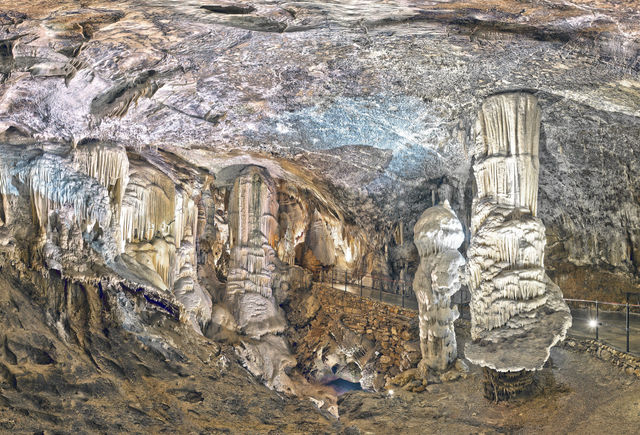
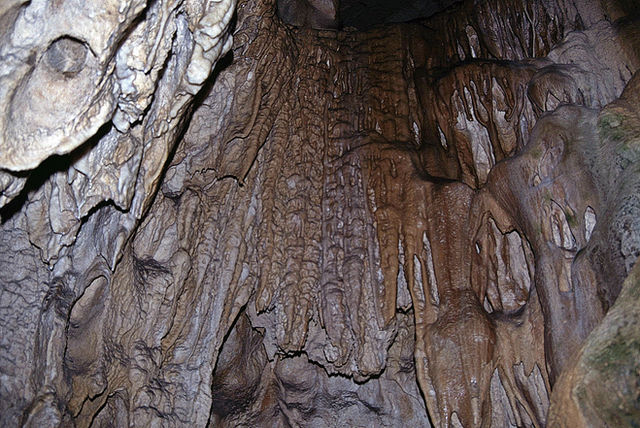
    Slovenia's most famous cave — 24 km of karst passages entered aboard a narrow-gauge underground train, and home to the olm, the blind 'baby dragon' of the Slovenian underground.

  • Don't Miss

    Škocjan Caves

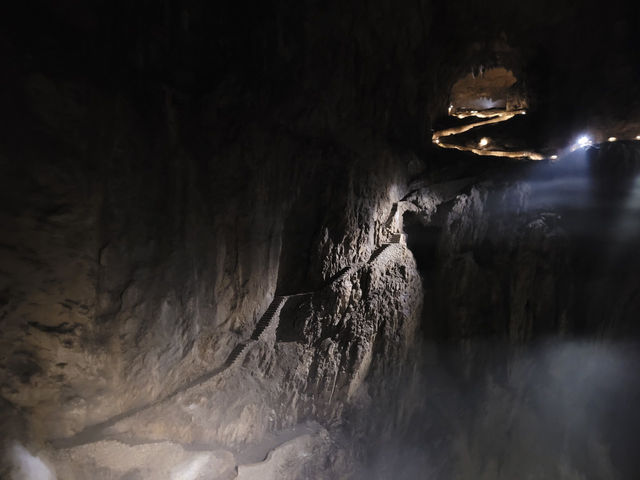
    A UNESCO World Heritage site and one of the largest known underground canyons on earth — the Reka river thundering through a gorge crossed by a bridge 47 metres above the water.

  • Don't Miss

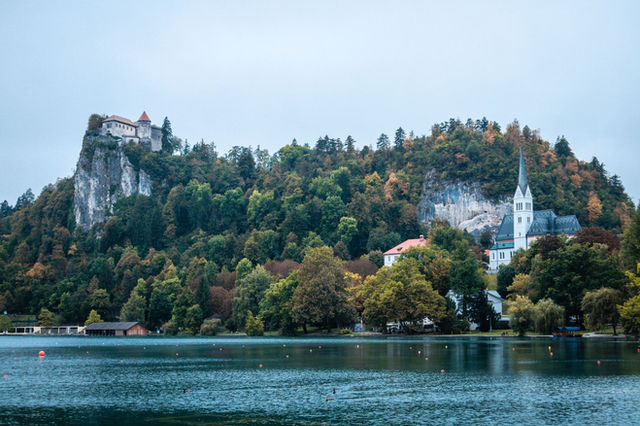
    Lake Bled

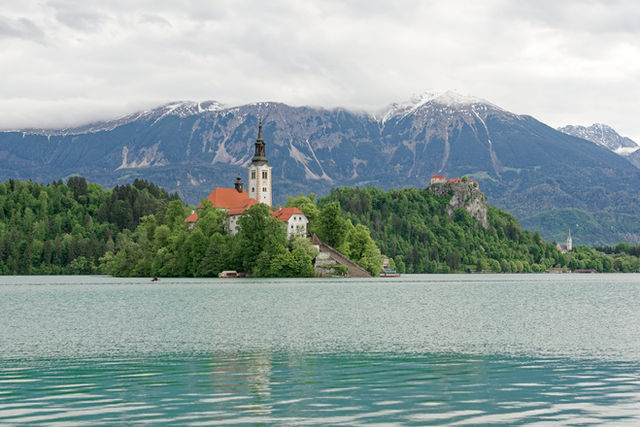
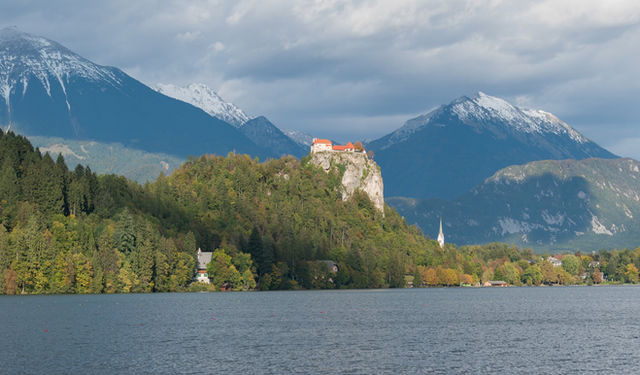
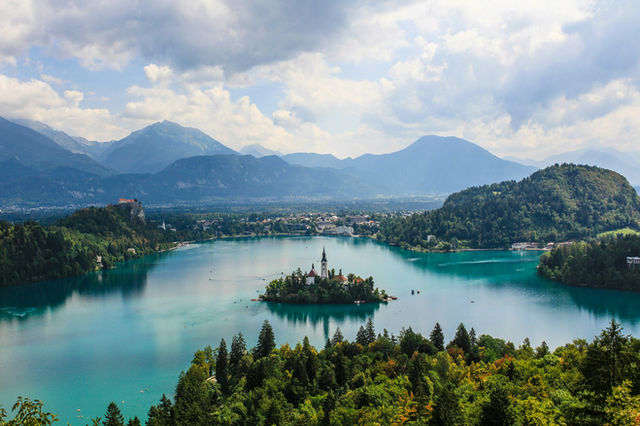
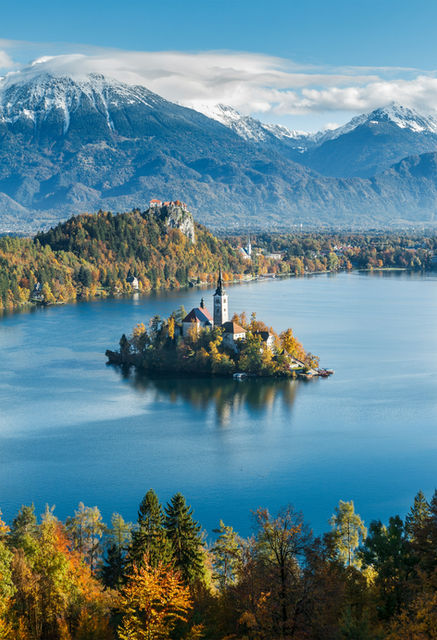
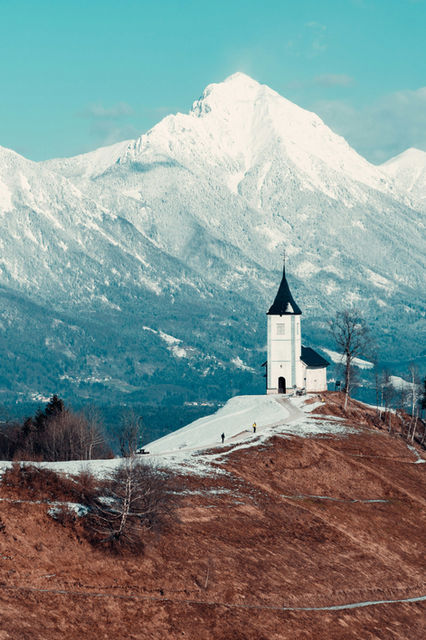
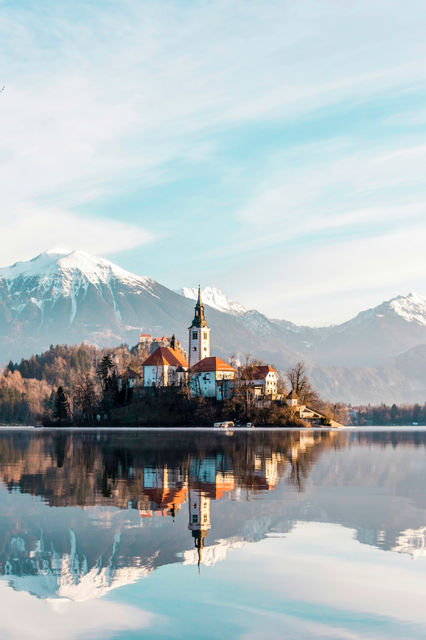
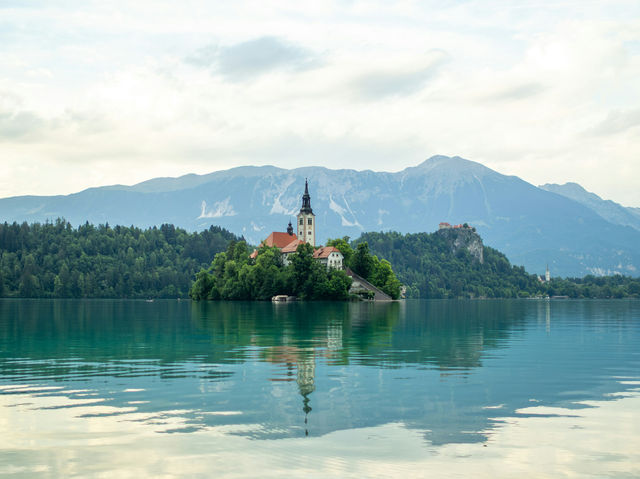
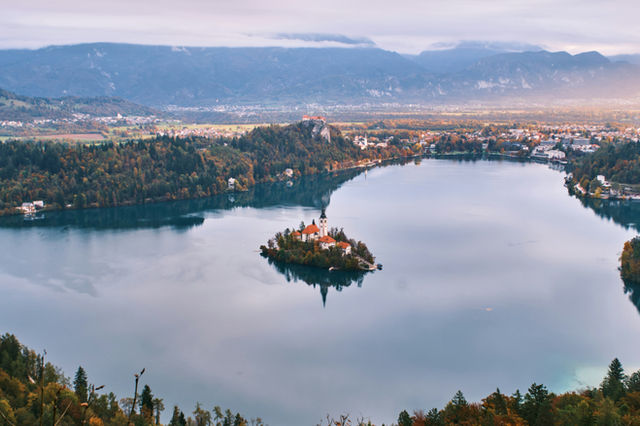
    Slovenia's picture-postcard lake — a church on the only island, reached by hand-rowed pletna boat and 99 steps, under a castle on a cliff.

  • Don't Miss

    Lipica Stud Farm

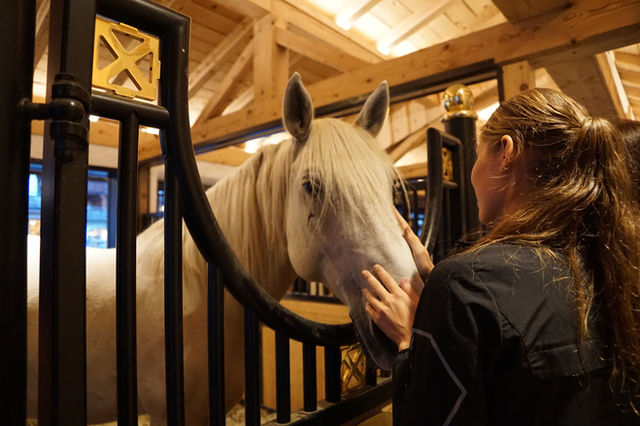
    The 1580 imperial stud on the Karst that gave the world the Lipizzaner — still breeding the white horses of the Spanish Riding School after more than four centuries.

  • Don't Miss

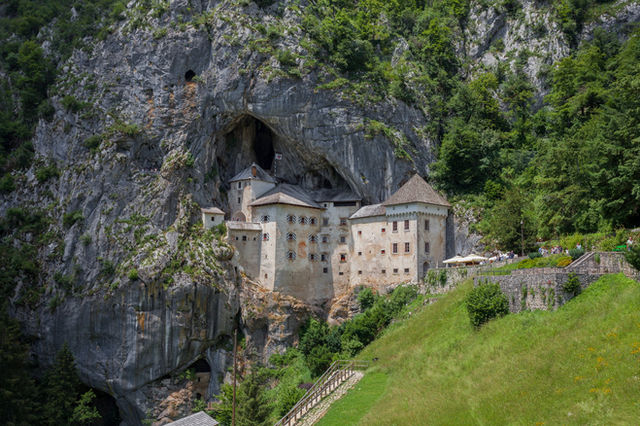
    Predjama Castle

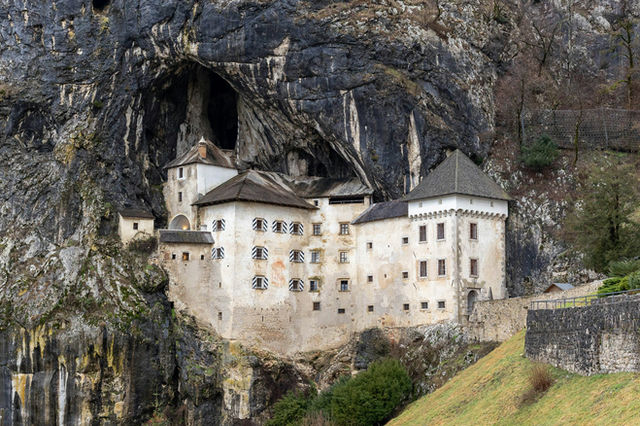
    The world's largest cave castle by Guinness reckoning — wedged into a cliff face with a cave system behind it, and a robber-baron legend to match.

  • Don't Miss

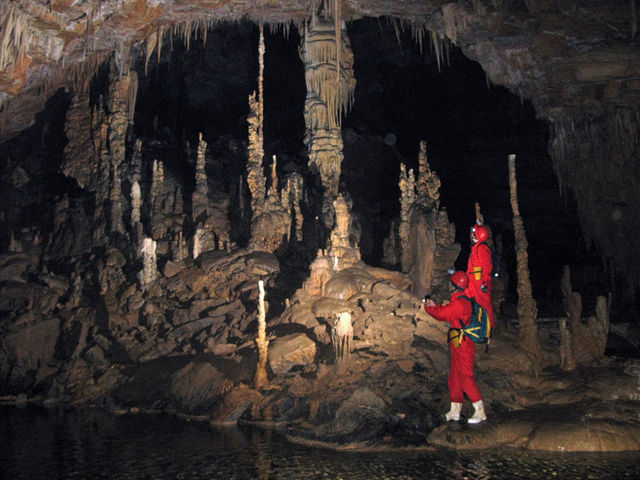
    Križna Cave (Križna jama)

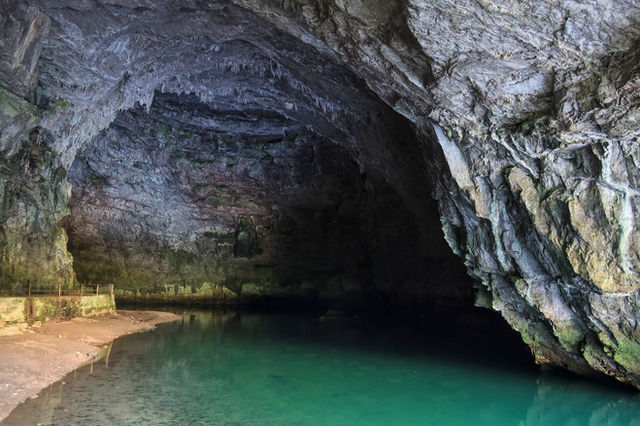
    One of the world's great water caves — a chain of emerald underground lakes explored by boat, and a bone bed that held the remains of more than a hundred cave bears.

  • Don't Miss

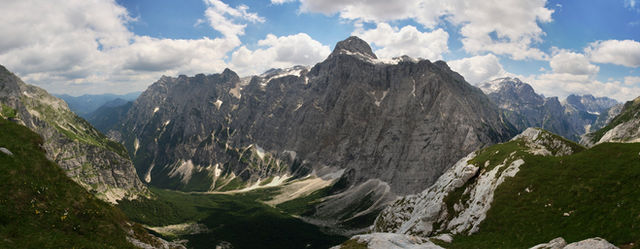
    Triglav National Park

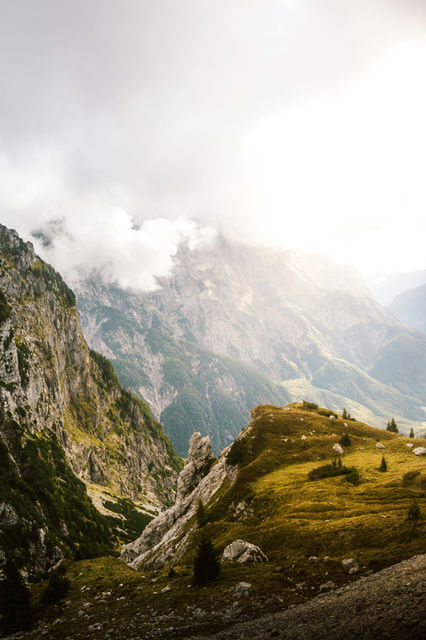
    Slovenia's only national park — the whole Julian Alps in one protected block, from the Soča's source to Bohinj and the country's highest summit.

  • Don't Miss

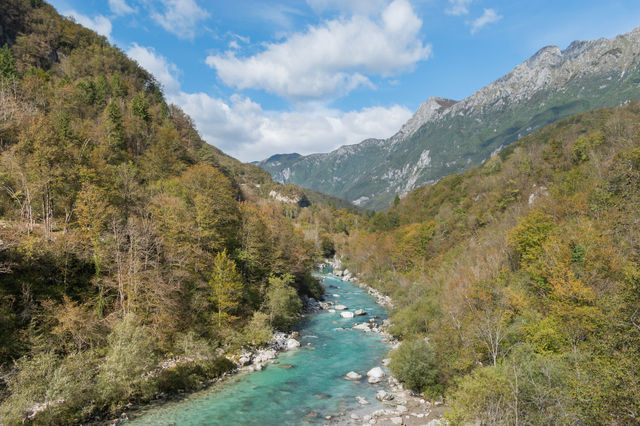
    The Soča Valley

    The impossibly turquoise Soča river running down from the Julian Alps — Slovenia's adventure-sports heartland, and the site of the First World War's Isonzo Front.

  • Don't Miss

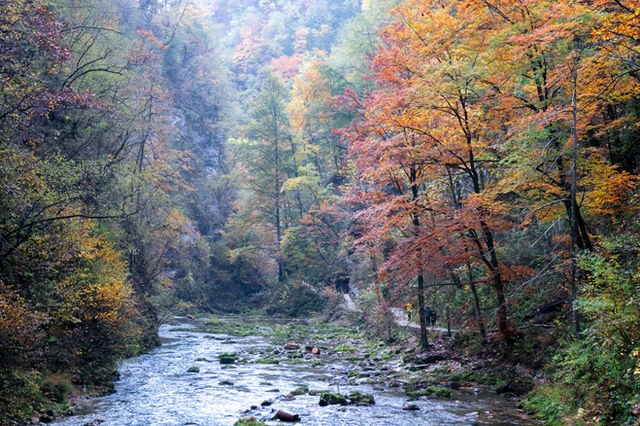
    Vintgar Gorge

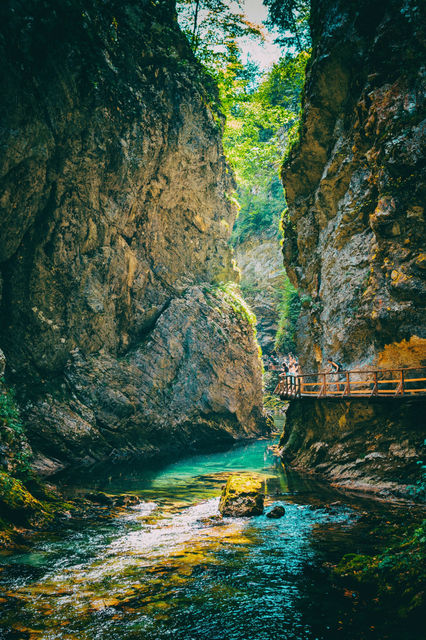
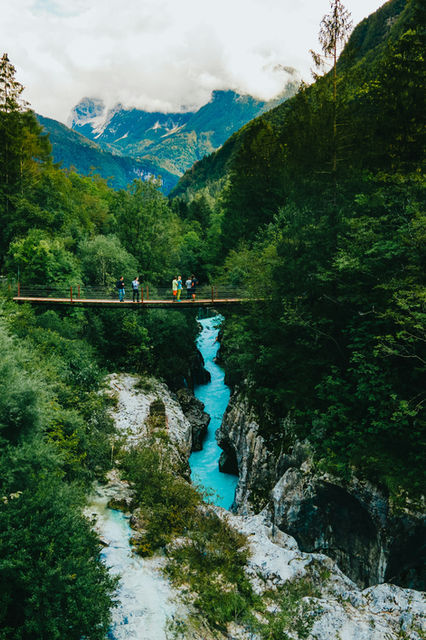
    A 1.6-kilometre boardwalk pinned to the cliffs above the Radovna river, criss-crossing the rapids to the Šum falls — the classic half-day walk from Bled.

  • Don't Miss

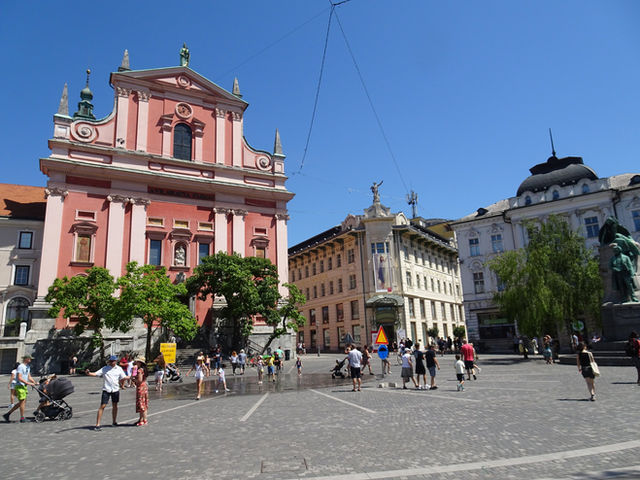
    Ljubljana Old Town & Prešeren Square

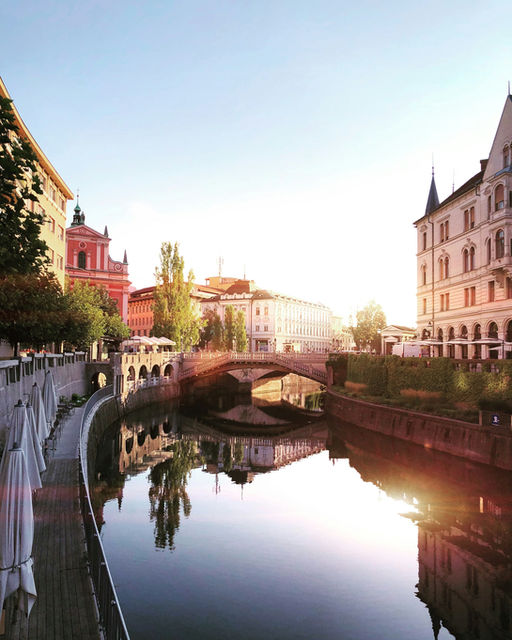
    A car-free riverside capital of baroque façades and Plečnik's bridges — small enough to cross on foot, and built around café tables on the Ljubljanica.

  • Don't Miss

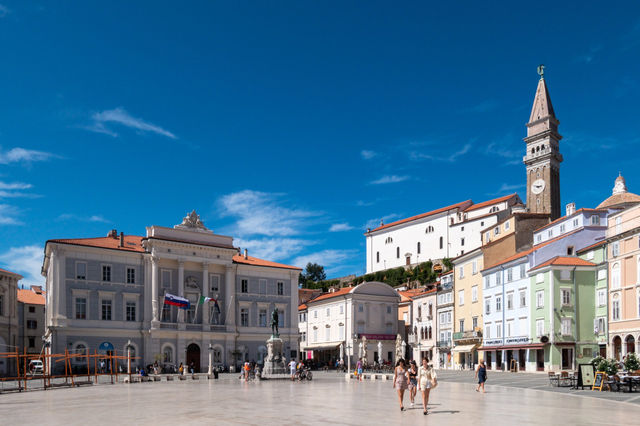
    Piran

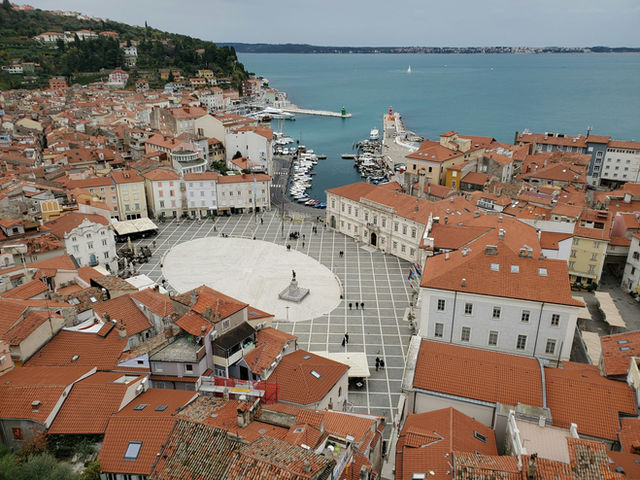
    A Venetian town packed onto a headland at the tip of Slovenia's 46-kilometre coast — marble square, campanile, and alleys running down to the Adriatic.

  • Don't Miss

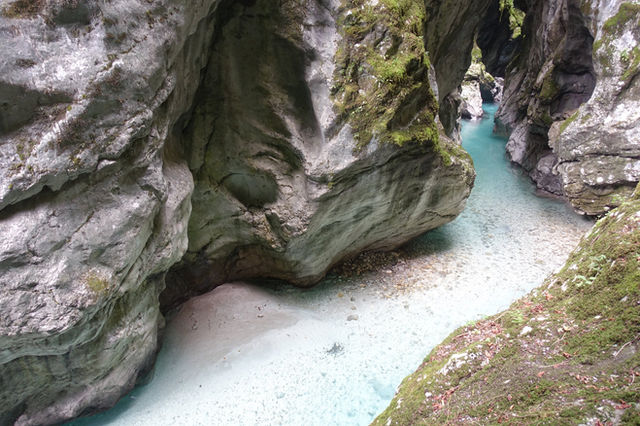
    Tolmin Gorges (Tolminska korita)

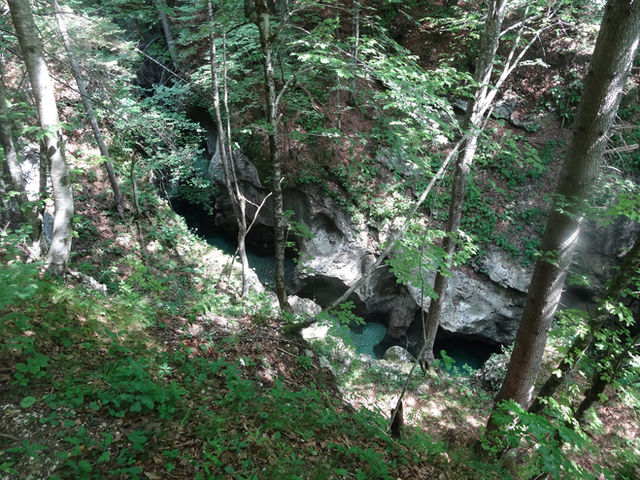
    The lowest gateway into Triglav National Park — two river gorges meeting, a boulder called the Bear's Head wedged overhead, and the Devil's Bridge 60 metres above.

  • Bled Castle

    Slovenia's oldest castle, first recorded in 1011, standing on a cliff a hundred metres above the lake with the best view in the country.

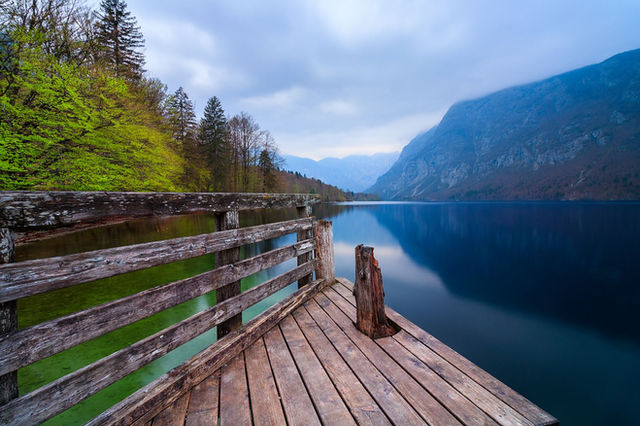
  • Lake Bohinj

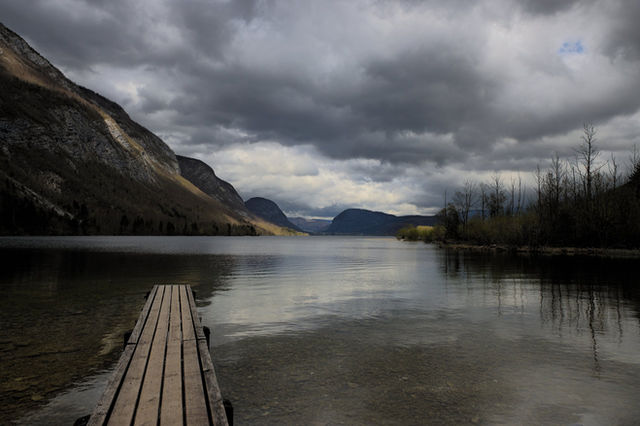
    Bled's big, wild sibling inside Triglav National Park — Slovenia's largest lake, ringed by mountains and blessedly short of postcards.

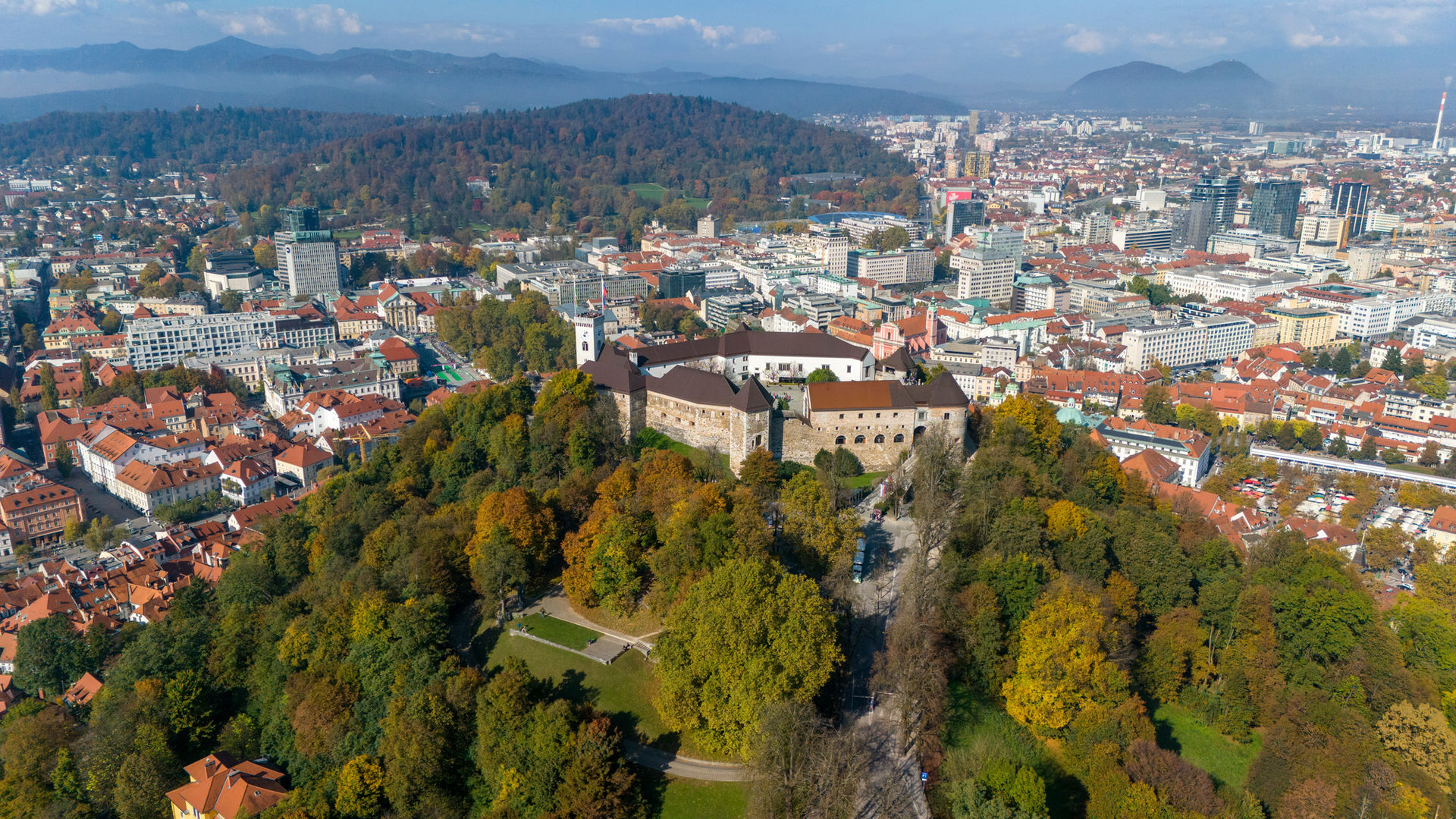
  • Ljubljana Castle

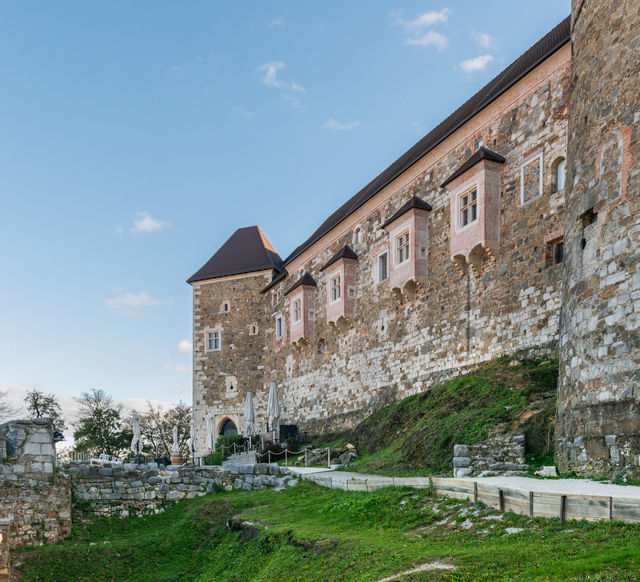
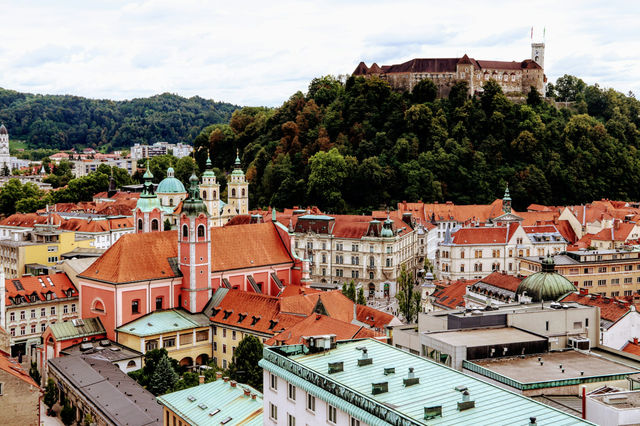
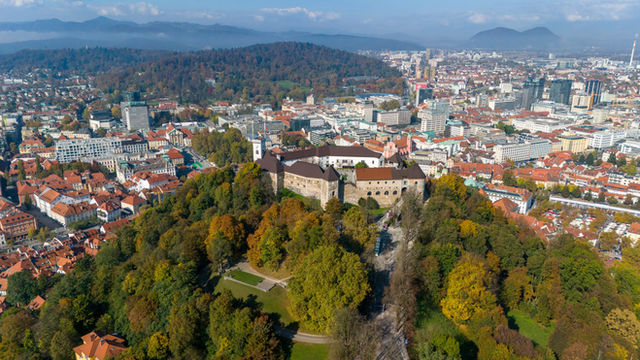
    The hilltop fortress over the capital, reached by funicular — with a viewing tower, a puppet museum and the best overview of the city and the Alps beyond.

  • Mount Triglav

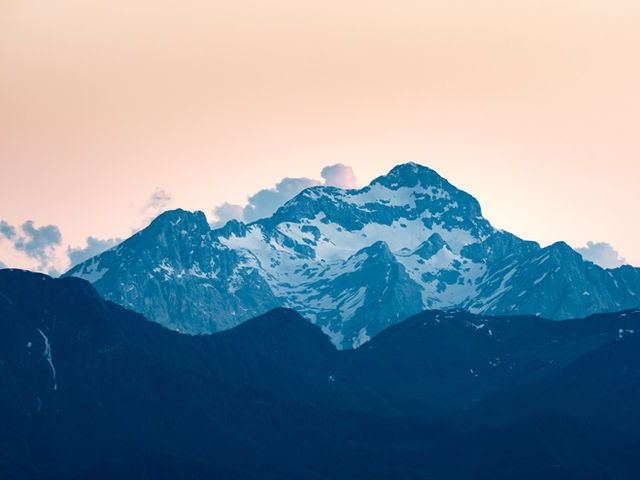
    At 2,864 metres the country's highest peak and its national symbol — on the flag, on the coat of arms, and by tradition climbed once by every Slovene.

  • Vilenica Cave

    Europe's oldest show cave — taking paying visitors since 1633 — and the atmospheric venue of Slovenia's international Vilenica literary prize.

  • Kozjak Waterfall (Slap Kozjak)

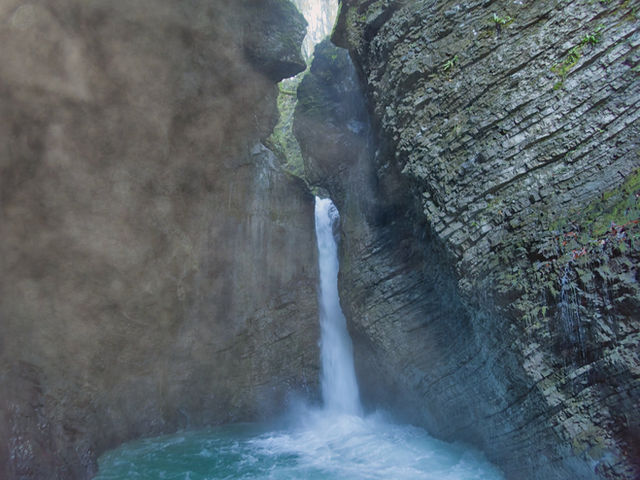
    Fifteen metres of water falling into a domed rock chamber near Kobarid — a natural cathedral, and to many the most beautiful waterfall in Slovenia.

  • Pivka & Black Caves (Pivka jama & Črna jama)

    The wilder, undeveloped end of the Postojna system — Pivka jama and the Black Cave, joined by a military-dug tunnel and walked with a lamp rather than ridden by train.

  • Mostnica Gorge

    Bohinj's 'little Grand Canyon' — a two-kilometre cleft of sculpted pools and potholes, including a rock that looks unmistakably like a drinking elephant.

  • The Karst Plateau (Kras)

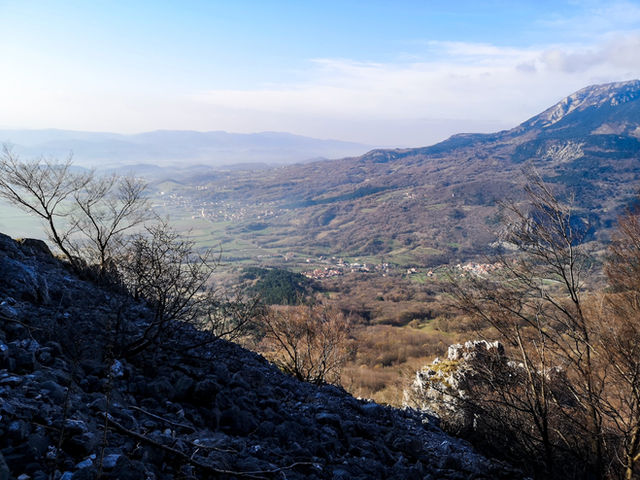
    The limestone plateau that gave the world the word 'karst' — the type-site for every sinkhole, cave and disappearing river on earth, plus teran wine and prosciutto.

  • The Vipava Valley

    A wind-scoured wine valley between the Alps and the Adriatic, growing grape varieties — zelen, pinela — that essentially exist nowhere else.

  • Planina Cave (Planinska jama)

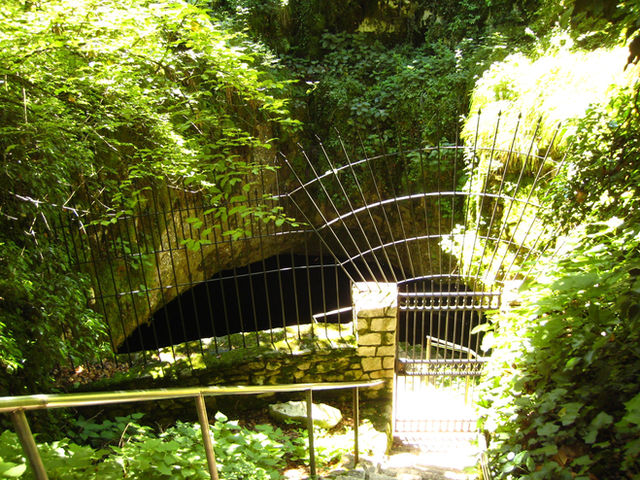
    The water cave where the Pivka resurfaces and meets the underground Rak — the confluence of two subterranean rivers, visited by boat.

  • The Dragon Bridge (Zmajski most)

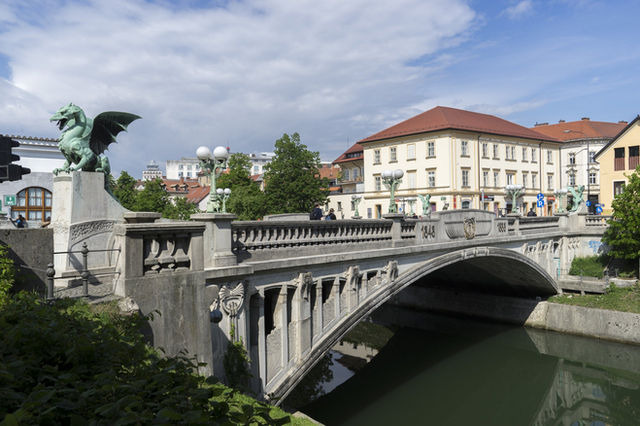
    Four copper dragons guarding a 1901 Vienna Secession bridge — the emblem of Ljubljana, and the city's most photographed pair of jaws.

  • Divje Babe Archaeological Park

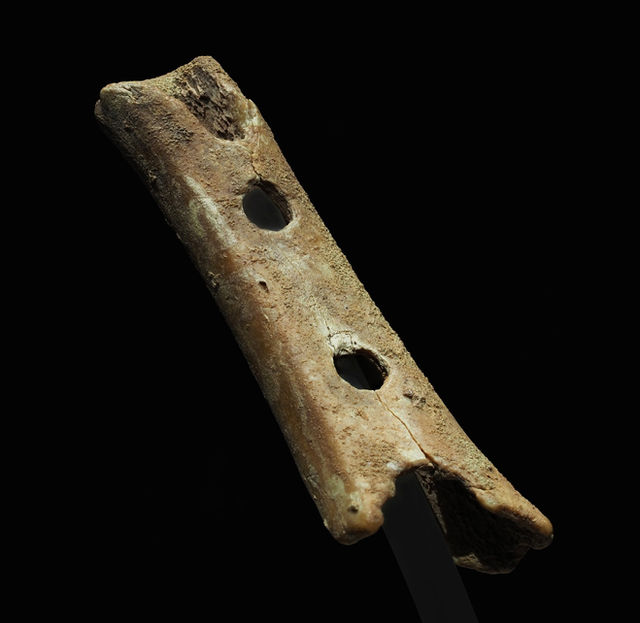
    The cave above the Idrijca where a pierced cave-bear thighbone was found — claimed as the world's oldest musical instrument, and still argued over.

Plan your trip

Curated Slovenia itineraries

Browse all Slovenia trips →
  • Balkan family road trip — Dubrovnik to Zagreb (pilot preview record) 14 Nights

    Balkan Family Road Trip

    Fifteen days and seven countries on one unbroken drive from the Adriatic coast to the Julian Alps — a coast-to-mountains loop from Dubrovnik to Zagreb.

    Price on enquiry

    View trip
When to go

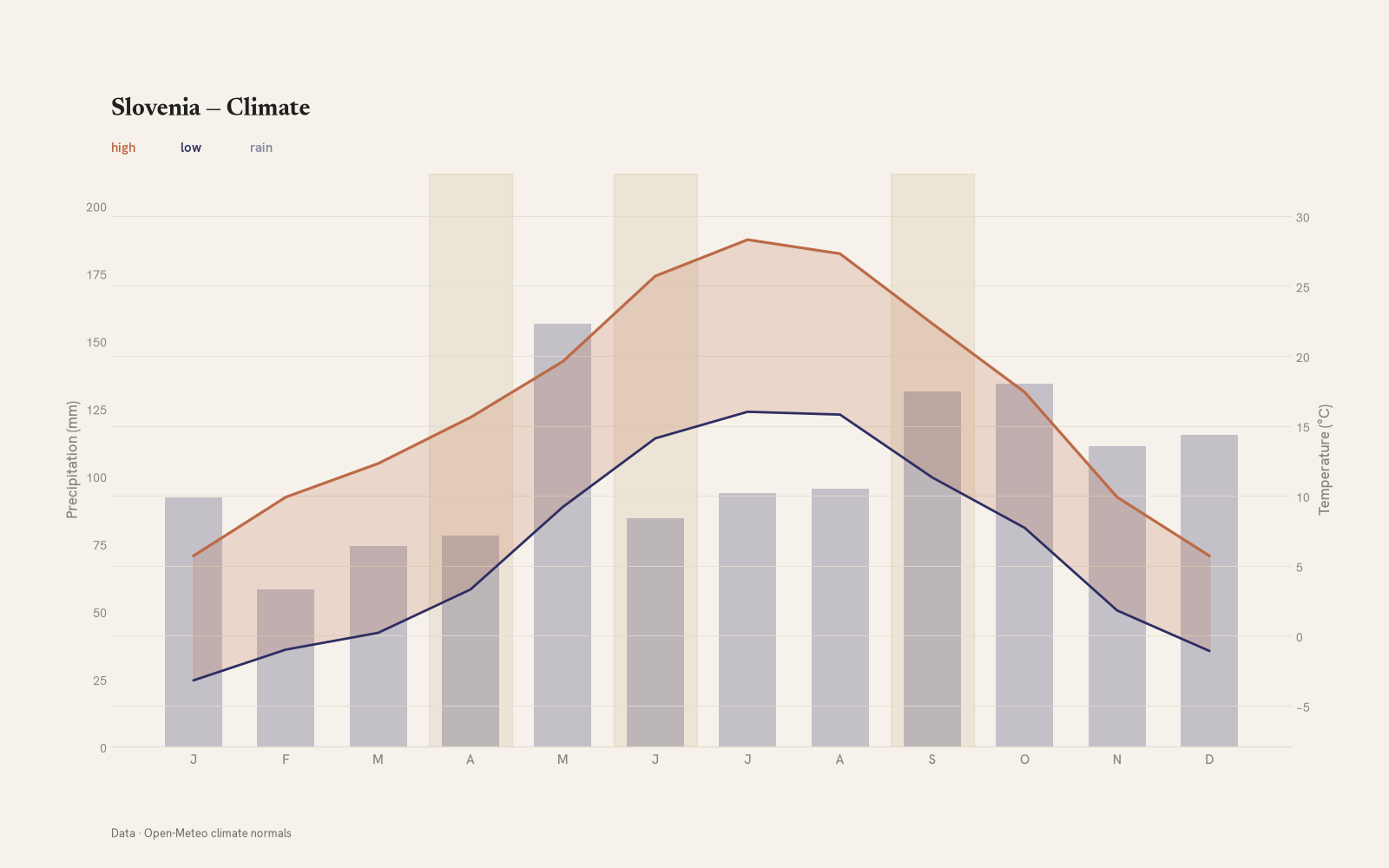
Weather & timing in Slovenia RIGHT NOW 20° clear

Best Apr, Jun, Sep · Shoulder Mar, Jul–Aug

  1. Jan / -4°
  2. Feb / -2°
  3. Mar 12° /
  4. Apr 18° /
  5. May 24° / 14°
  6. Jun 28° / 18°
  7. Jul 30° / 20°
  8. Aug 28° / 18°
  9. Sep 24° / 14°
  10. Oct 18° /
  11. Nov 12° /
  12. Dec / -2°

Best time to visit

March – April & June – September

Best for
  • Lake Bled
  • Caves
  • Alpine Hiking
  • Wine
At a glance
Sunshine 7 hr/day (est.)
Rain days 8 days/mo (est.)
Wettest December · 60mm
Driest June · 10mm
Part of Alps →
By season
Spring (Mar–May)

What to expect — Daytime highs average about 18°C with overnight lows near 8°C, and it stays largely dry.

What's best — Apr is among the best time to visit — good weather with manageable crowds. Mar also works well.

Summer (Jun–Aug)

What to expect — Daytime highs average about 29°C with overnight lows near 19°C, and it stays largely dry.

What's best — Jun is among the best time to visit — good weather with manageable crowds. Jul and Aug also work well.

Autumn (Sep–Nov)

What to expect — Daytime highs average about 18°C with overnight lows near 8°C.

What's best — Sep is among the best time to visit — good weather with manageable crowds.

Winter (Dec–Feb)

What to expect — Daytime highs average about 7°C with overnight lows near -3°C.

What's best — Cold and quiet; some mountain roads and sights run reduced hours.

A little context

A little history

To read what you're looking at — the empires and eras that shaped Slovenia's food, art and streets.

Centuries inside the Habsburg empire give the towns their Central-European, Austrian feel and café culture
a short Venetian-Adriatic coast left Piran's tight Italianate streets and salt pans
the Lipica stud (founded 1580) still breeds the white Lipizzaner horses the place gave its name to
independence from Yugoslavia in 1991, then quiet prosperity inside the EU
Before you book

Know before you go

The practical back-matter — safety, drones and the essentials, in one place.

Safety

No FCDO advisory against travel FCDO advice →

Official UK Foreign, Commonwealth & Development Office guidance is the definitive source — check it close to your travel dates.

Drone rules (sub-250g)

  • Slovenia
    Camera drones must be registered (an EU ID is valid). Rural flying is fine, but Slovenia reads the “built-up area” ban strictly — Bled, Piran, Ljubljana and most towns need prior CAA authorisation. ⚠ Triglav National Park requires prior authorisation; Bled, Piran and the coast sit in built-up no-fly zones. Rules checked: Jul 2026

National parks, protected sites and religious/heritage venues often have their own rules and permits — always check the specific site before you fly.

The essentials

Plug & voltage Type C/F · 230V
Daily budget Mid-range
Region Southern Europe